Sensors and Actuators (Junior Cert Applied Technology): Revision Notes
📚Revision Notes
Sensors and Actuators
Introduction
- Sensors and actuators are vital parts of control systems. They provide data input and do the actions needed to make a system work. They help automate tasks and improve efficiency.
Definitions
- Sensor: Detects changes in the surroundings and sends this information to the control system.
- Actuator: Turns input signals into actions in a control system.
Types of Sensors
-
Infrared Sensors
- Detect objects and motion using infrared light.
- They can turn lights on by sensing movement and improve security systems.
-
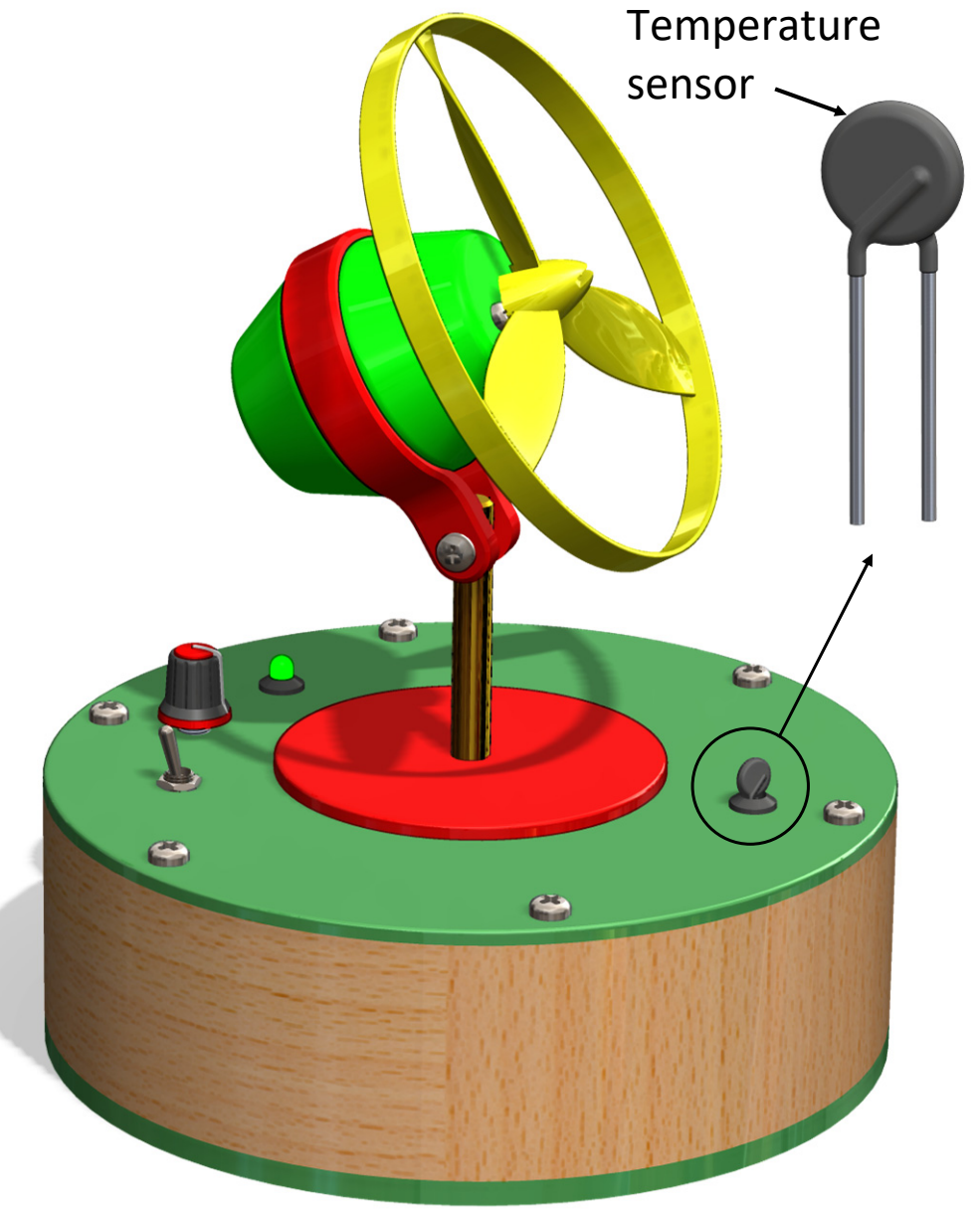
Temperature Sensors
 Note
NoteTemperature sensors are essential for maintaining comfortable environments in residential and commercial buildings.
- Measure heat changes and change them into signals.
- Manage HVAC systems to keep temperatures steady.
-
Capacitance Sensors
- Measure changes in capacitance to find touch or closeness.
- Used in smartphones for touch controls.
Actuators
- Types of Actuators
- Electric Actuators: Change electrical energy into movement.
- Provide precise actions for tasks needing care.
- Hydraulic Actuators: Use liquid power to do work.
- Deliver strong movements in heavy machines.
- Pneumatic Actuators: Use air pressure for movement.
- Useful for fast actions in machines.
- Electric Actuators: Change electrical energy into movement.
Important
It's important for operators to choose the right type of actuator depending on the application requirement to avoid common pitfalls of either underpowering or over-engineering.
Examples of Devices
- Desk Fan

- Uses a temperature sensor to activate automatically.
- Uses actuators to direct airflow effectively.
Importance of Feedback
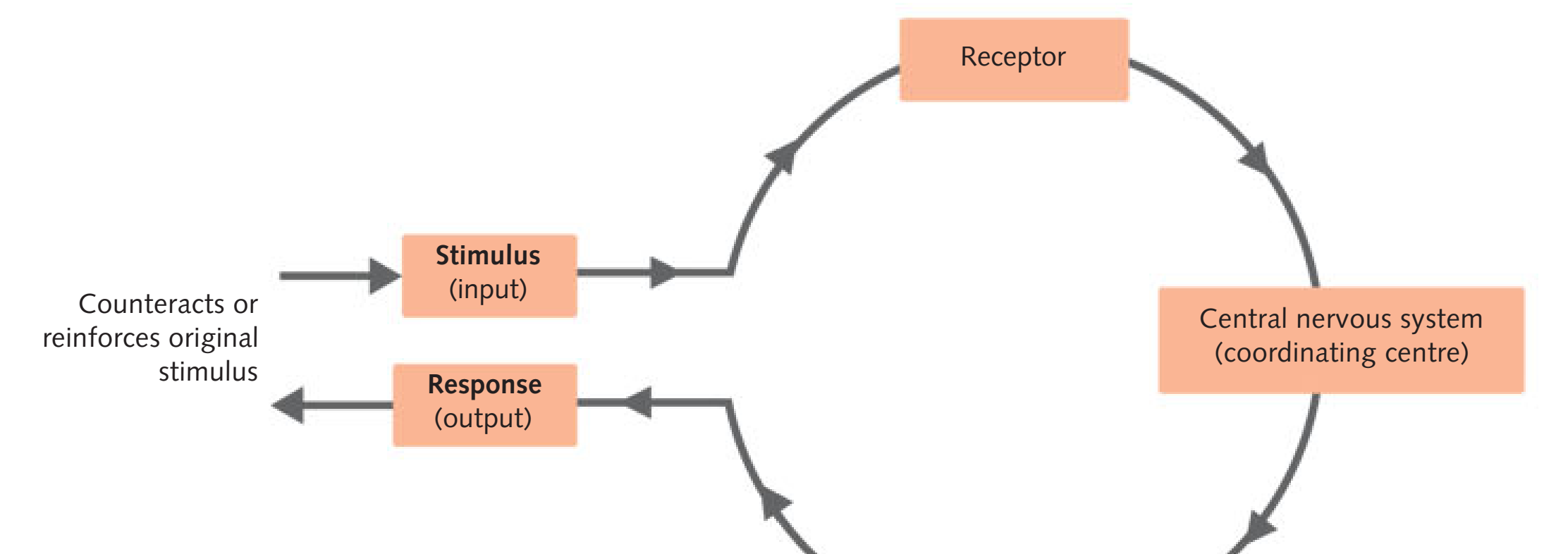
- Good feedback from sensors helps keep systems accurate.
- Feedback loops help systems adjust and work well.
Note
According to research, feedback loops are crucial in systems ranging from biological to mechanical systems for maintaining stability and accuracy.
Note
Summary
- Sensors and actuators help automate and improve control systems.
- They provide important data for feedback, aiding in keeping systems efficient.
- Feedback ensures systems remain precise, which is important for adapting to changes.