Transistors and Microchips (Junior Cert Applied Technology): Revision Notes
📚Revision Notes
Transistors and Microchips
Transistors and microchips are important in control systems and electronics. They are in many devices, from simple to complex, and help improve technology.
Definitions
- Transistor: A small device that controls electronic signals and power. It is essential in control systems, managing current and voltage.
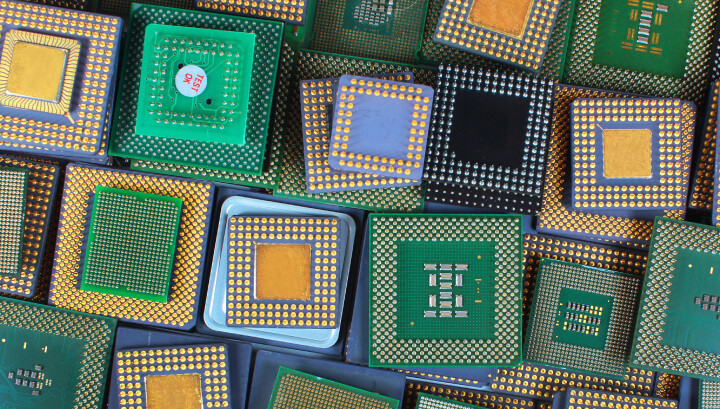
- Microchip: Also known as an integrated circuit (IC), it is a tiny circuit with many transistors. It is key for control systems because it handles many tasks efficiently.
Function of Transistors
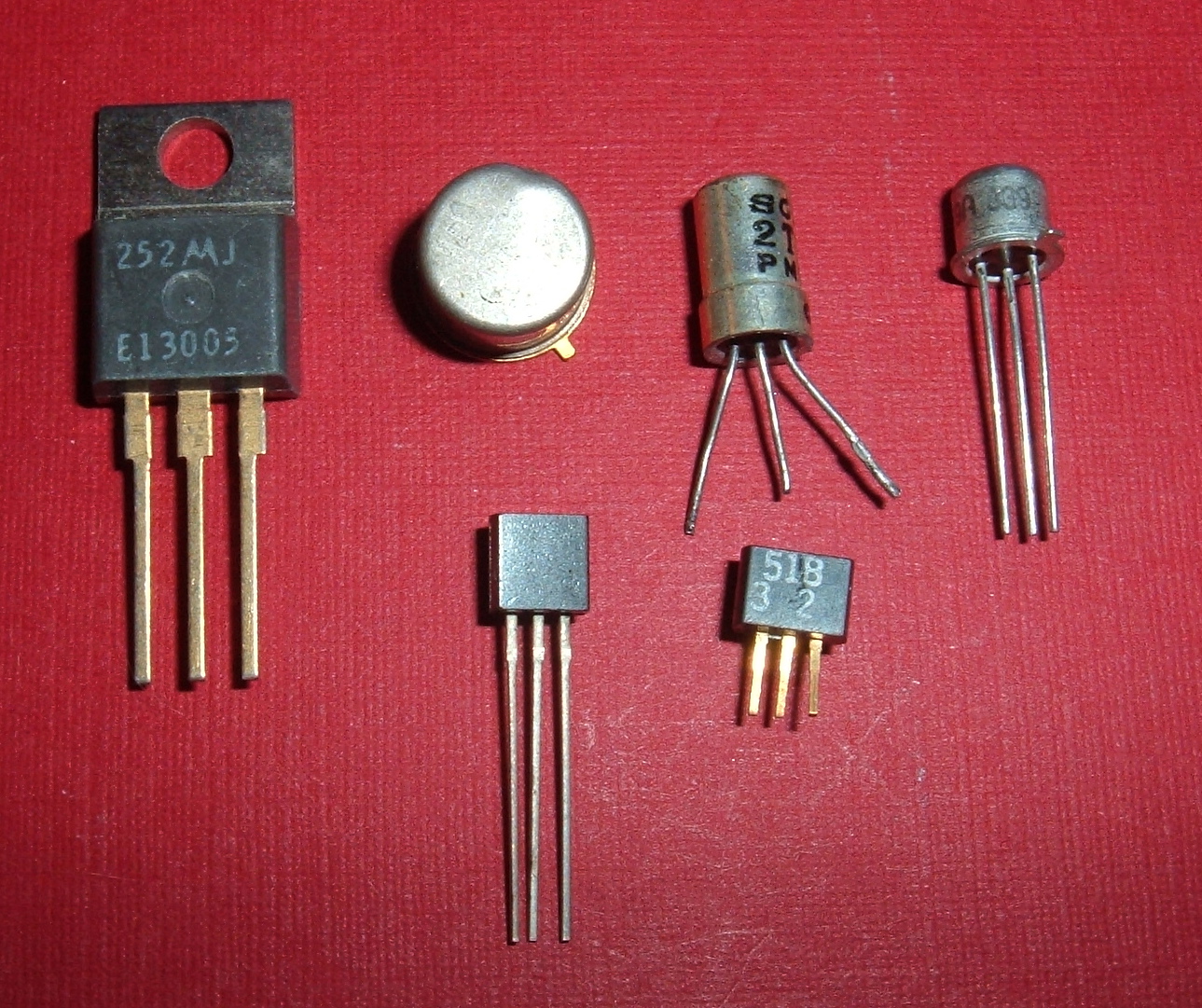
- Switch: Transistors act as switches, turning electrical flow on or off.
- Amplifier: They also boost weak signals, essential for communication and audio devices.
Note
Remember, transistors are versatile components critical in both switching and amplification tasks in various devices.
Implementation of Microchips
Microchips are used a lot in control systems. They work with other parts on boards called printed circuit boards (PCBs). On these boards, microchips help provide electronic functions that are important for many systems.
Note
Microchips integrate seamlessly with other components on PCBs to ensure functional and efficient system operations.
Practical Applications
- Transportation Systems: Transistors and microchips are crucial in cars for things like navigation and safety. Transistors control signals for brakes and steering. Microchips manage systems to improve safety and performance.
- Household Electronics: Smart devices use microchips for tasks like timing and temperature. Transistors help control power, making sure these devices work precisely.
Summary
Note
- Transistors control electrical flow and amplify signals in circuits.
- Microchips do many tasks increasing efficiency on boards.
- Transistors and microchips are key for precision and efficiency in modern control systems.