Identifying a Problem (Junior Cert Applied Technology): Revision Notes
📚Revision Notes
Problem Identification in Design
Introduction
Identifying a problem is the first vital step in the design process within Applied Technology. This step involves clearly defining a specific issue, need, or opportunity. It sets the foundation for the entire project. Without this clarity, the process can lack direction and be less effective.
Definitions
- Problem Identification: The first stage in the design process where you clearly define an issue, need, or opportunity to focus solutions.
- Design Process: A series of steps that guide designers in solving problems.
- Research and Investigation: Ways to gather information to understand a problem fully.
- Contextual Factors: Cultural, economic, and technological influences on the design process.
Note
Finding a clear problem is crucial because it shapes design goals, aligns the team, and makes the project more efficient, ensuring the process is meaningful.

Methods for Research and Investigation
- Surveys: Collect data to understand the problem on a larger scale.
- Interviews: Provide deep insights by speaking directly with people involved.
- Observations: Offer insights by watching how users behave.
- Literature Reviews: Study existing research to find knowledge gaps.
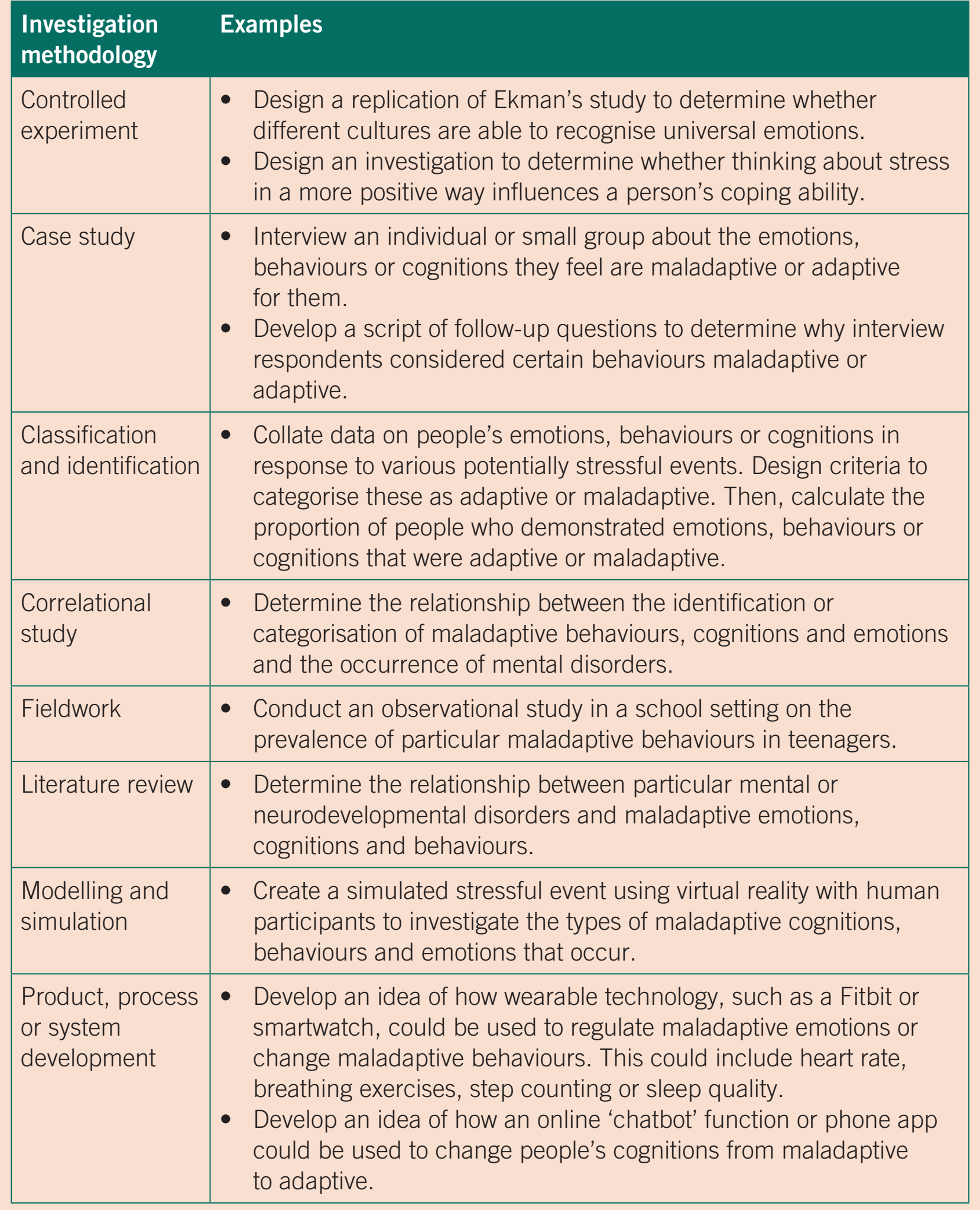 This table compares various research methods used in problem exploration.
Important
- Contextual Factors: Cultural, economic, and technological conditions impact problem-solving.
 This table outlines factors influencing problem identification.
Design Theory and Problem-Solving
- Systems Thinking: Helps in finding core issues by understanding complex interactions.
- Human-Centred Design: Focuses on user needs to solve design problems.
These design theories help in identifying and solving problems effectively, providing structures for creating new solutions.
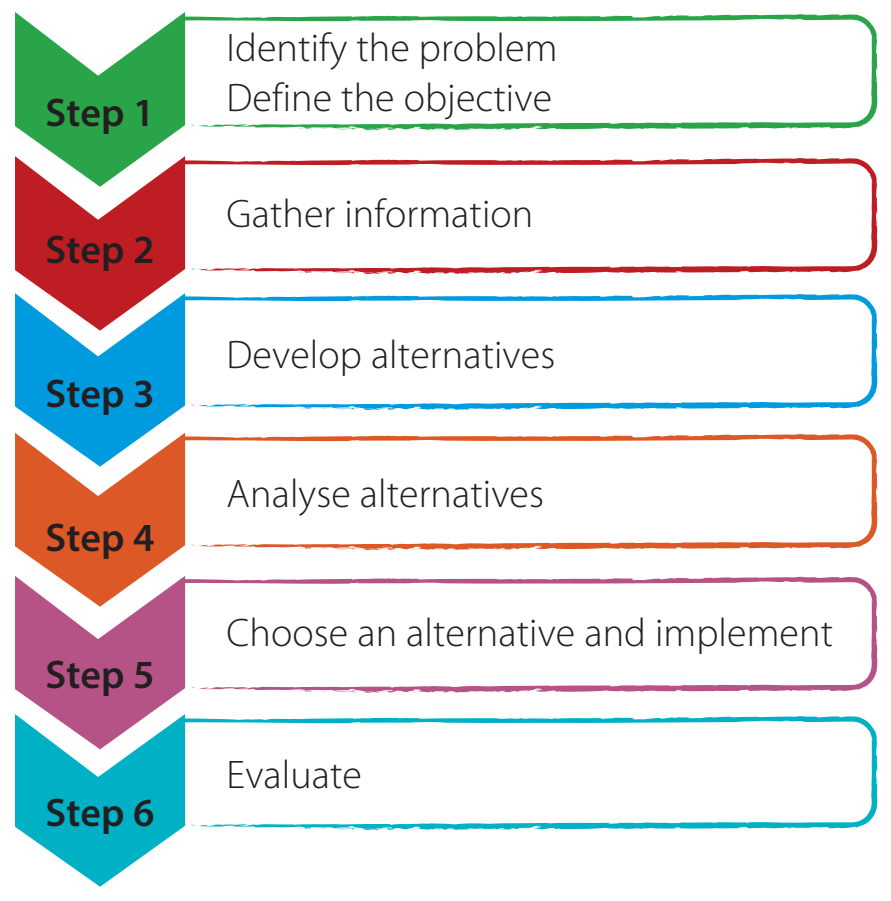 The flowchart shows a methodical approach to problem-solving, including identifying problems.
Note
Summary
- Identifying a problem is a key part of the design process.
- There are various methods to research and understand problems.
- Personal, peer, and contextual factors greatly influence problem identification.
- Learning about design theory enhances problem-solving skills.