Spanners, Pliers & Screwdrivers (Junior Cert Engineering): Revision Notes
📚Revision Notes
Spanners, Pliers & Screwdrivers
Introduction to hand tools
Hand tools are essential equipment in manufacturing processes for joining and assembly work. These tools allow you to tighten, loosen, grip, and turn various fasteners and components. Understanding when and how to use each tool correctly is crucial for both safety and effectiveness in engineering work.
Important
Always select the appropriate tool for each specific task. Using the wrong tool can result in injury, damage to the fastener, or poor quality work.
Spanners
Spanners are specialised tools designed for tightening and loosening nuts, bolts, and screws. The key principle is that you must always use the correct size spanner for the job. Using the wrong size can cause the tool to slip, potentially injuring you or damaging the fastener.
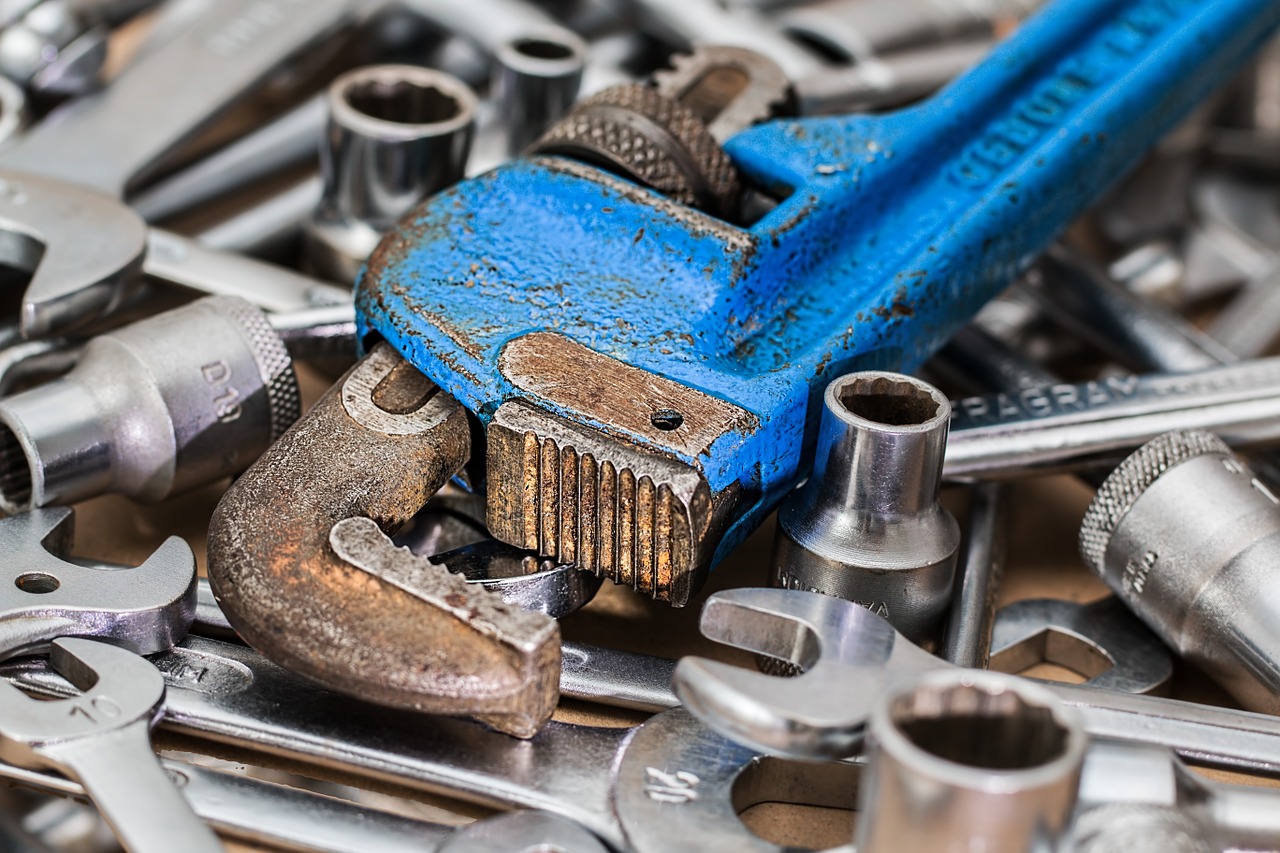
Open-ended spanners
Open-ended spanners are the most commonly used type in workshops. They feature an open jaw design that allows you to slide the tool onto a nut or bolt head from the side. A key design feature is that the jaws are positioned at a 15° angle to the handle. This angled design is particularly useful because you can flip the spanner over to work at different angles, making it perfect for use in restricted spaces where you can't make a full rotation.
Note
The 15° angle design allows you to work in confined spaces by flipping the spanner over after each partial turn, effectively giving you 30° of working movement.
Ring spanners
Ring spanners completely encircle the nut or bolt head, which eliminates the risk of the tool slipping off during use. This makes them much safer and more secure than open-ended spanners. However, there's an important limitation: you can only use a ring spanner when you can fit it down over the nut or bolt head from above, as there's no way to slide it on from the side.
Box spanners
Box spanners are specifically designed for working with nuts located in deep recesses where standard spanners cannot reach. They're particularly useful when there isn't enough room to manoeuvre other types of spanners.
Example
Practical Application: Spark Plug Removal
Box spanners are commonly used for removing and fitting spark plugs in engines. The deep recess around a spark plug makes it impossible to use standard spanners, but a box spanner can reach down to grip the plug securely.
These spanners are typically turned using a separate tommy bar that fits through holes in the spanner body.
Socket spanners
Socket spanners are incredibly versatile tools that combine the benefits of ring spanners with added flexibility. The socket fits down onto the nut like a ring spanner, but it connects to a separate handle for turning. What makes socket sets so valuable is their modularity - you get sockets in various sizes, different handle types (including ratchet handles), extensions of different lengths, and universal joints. This flexibility means you can work quickly and efficiently, even in confined spaces.
Note
Socket sets often include ratchet handles that allow continuous turning without repositioning the tool, significantly speeding up assembly and disassembly work.
Adjustable spanners
Adjustable spanners can be modified to fit different sized nuts and bolts, which makes them very convenient when you don't have the exact size fixed spanner available. However, there's an important safety consideration: these spanners have a higher risk of slipping compared to fixed-size spanners.
Important
Only use an adjustable spanner when the correct size open-ended or ring spanner isn't available. The adjustable jaw mechanism inherently has more play than fixed tools, increasing slip risk.
Adjustable wrenches
Similar to adjustable spanners, adjustable wrenches can be set to fit various nut and bolt sizes. These tools are particularly useful for maintenance work where you might encounter different fastener sizes. Different types are available for specific applications.
Stillson wrenches
Stillson wrenches are adjustable tools specifically designed for gripping and turning pipes and other cylindrical objects. An important feature is that they should be positioned so they tighten on the object when turned in the working direction.
Important
Never use a Stillson wrench on nuts or bolts! The serrated (sharp-toothed) jaws will damage the corners, making them extremely difficult to remove in future.
Pliers
Pliers are gripping tools designed to hold, bend, and manipulate various materials. Each type has specific applications where it performs best.

Combination pliers
Combination pliers are multi-purpose tools suitable for gripping both flat and round objects. They're also capable of cutting wire, making them very versatile for general workshop use. The jaws are hardened and tempered to provide durability, but this creates an important safety limitation.
Important
Never use combination pliers for holding hot materials. Heat can cause them to lose their hardness and become permanently damaged.
Gas pliers
Gas pliers are specifically designed for gripping round objects such as pipes and bars. Their jaw design provides a secure grip on cylindrical shapes, making them ideal for plumbing work and handling round stock materials.
Vice grips
Vice grips (also called locking pliers) are particularly useful when you need a very secure grip on an object. They can be locked onto the work piece and will maintain their grip even when you release the handles. The tool features an adjusting screw that allows you to set the jaw opening to the required size, and a release lever that allows you to unlock the grip when finished.
Note
Vice grips are excellent for holding components during assembly or when you need both hands free for other tasks. Their locking capability provides consistent pressure without continuous hand force.
Screwdrivers
Screwdrivers are essential tools for driving screws into materials and removing them. The fundamental rule with screwdrivers is that the blade must fit properly in the screw head to work effectively and safely.

Flat-ended screwdrivers
Flat-ended screwdrivers are the most common type and are designed for use with slotted screws (screws with a single straight slot across the head). For the tool to work properly and safely, the blade width and thickness must match the screw slot closely.
Important
If the screwdriver blade doesn't fit the screw slot properly, the tool can slip out, potentially causing injury to your hand or damage to the work surface.
Phillips screwdrivers
Phillips screwdrivers are designed specifically for screws with cross-shaped recesses in their heads. The cross-shaped tip fits into the corresponding recess in the screw head, providing better grip and torque transmission than flat-ended screwdrivers. This design reduces the likelihood of the tool slipping out of the screw head during use.
Allen keys
Allen keys (also called hex keys) are L-shaped tools designed for turning hexagonal socket head screws. These screws have a six-sided recess in their heads, and the Allen key fits precisely into this recess. Allen keys are commonly supplied in sets covering a range of sizes to match different screw sizes.
Tool maintenance and safety
Screwdriver blades are typically made from alloy or high carbon steel, with the tips heat-treated for durability. When sharpening or grinding screwdriver blades, you must be careful not to overheat the tip, as excessive heat can remove the hardening treatment and make the tool less effective.
Note
Some screwdrivers include a ratchet mechanism that allows continuous turning without repositioning the tool in the slot after each turn. This feature significantly speeds up work, especially when driving long screws.
Choosing the right tool
Selecting the appropriate tool for each job is crucial for both effectiveness and safety. Consider these factors:
Note
Tool Selection Criteria:
- Access: Can you reach the fastener easily with the tool?
- Space: Is there enough room to operate the tool properly?
- Torque requirements: Do you need high torque (use ring or socket spanners) or is light tightening sufficient?
- Precision: Do you need exact fit (use fixed-size tools) or is adjustable acceptable?
- Safety: Will the tool grip securely without slipping?
Summary
Key Points to Remember:
- Always use the correct size spanner or screwdriver for the job - wrong sizes can slip and cause injury or damage
- Ring spanners and socket spanners provide the most secure grip and are safest for high-torque applications
- Adjustable tools should only be used when fixed-size tools aren't available, as they're more likely to slip
- Never use Stillson wrenches on nuts or bolts as the serrated jaws will damage the corners
- Screwdriver blades must fit properly in screw heads - poor fit leads to slipping and potential injury