Plastics (Junior Cert Engineering): Revision Notes
📚Revision Notes
Plastics
What are plastics?
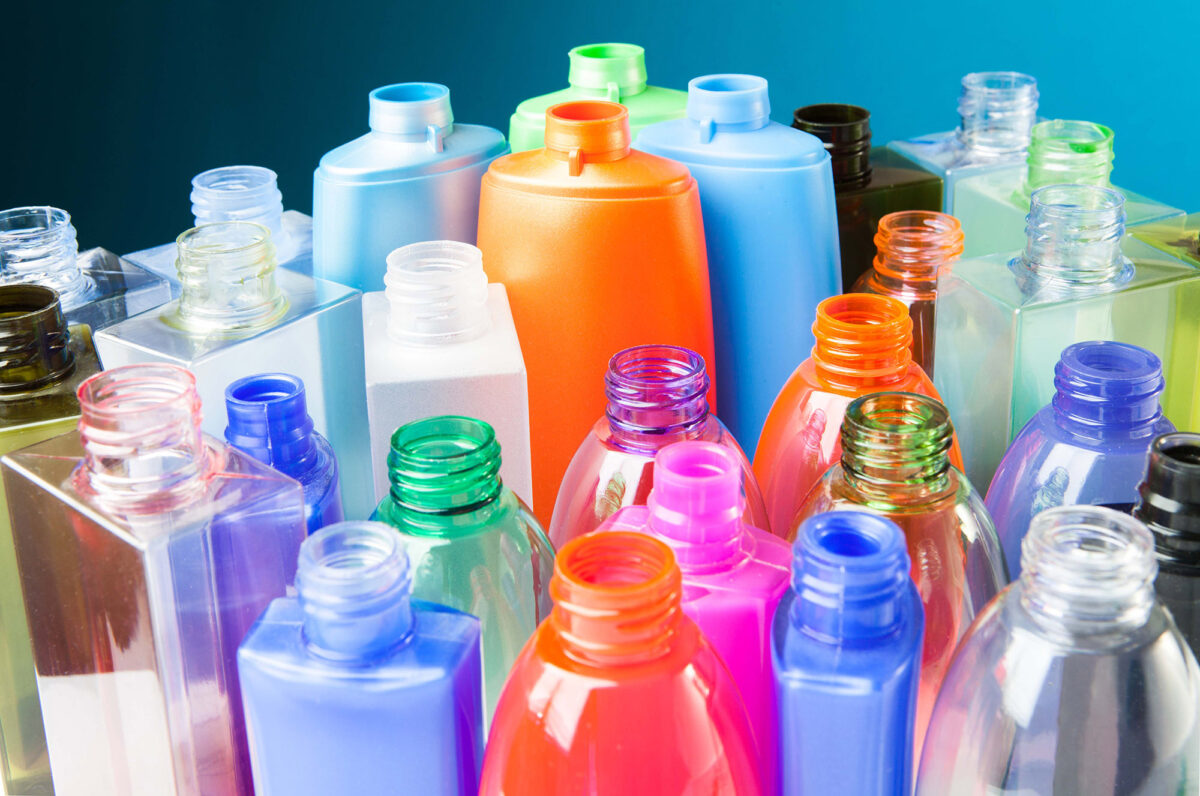
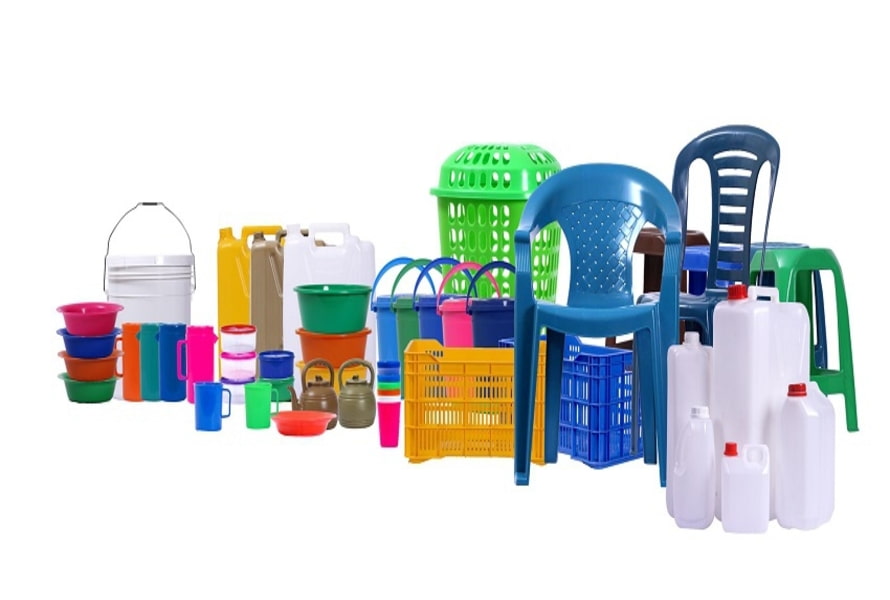
Plastics are a diverse group of materials that have been developed over the past century, offering a wide range of properties and applications. Unlike traditional materials, plastics can be both soft and flexible or hard and rigid, making them incredibly versatile for use in household items, electrical components, toys, footwear, vehicle parts, and clothing.
Note
While natural plastics like amber, shellac, bitumen, and animal horn have existed for thousands of years, the vast majority of plastics we use today are artificially created or synthetic.
Bakelite, developed in 1909, holds the distinction of being the first true synthetic plastic, marking the beginning of the modern plastics era.
Structure and properties of plastics
The foundation of all plastics is crude oil, which serves as the primary raw material. Plastics consist of long chain molecules that form when smaller molecules chemically bond together, similar to links connecting in a bicycle chain. This chain-forming process is called polymerisation, which is why plastics are often referred to as polymers.
Note
Two Fundamental Properties of Plastics:
- Durability - the capacity to resist wear and deterioration from weathering or corrosion over time
- Plasticity - the ability to be moulded and shaped without breaking or cracking
Based on how they respond to heat, plastics fall into two main categories: thermoplastics and thermosetting plastics.
Plastic identification codes
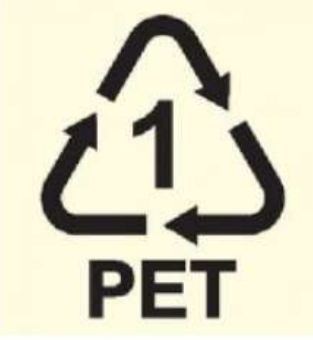
To help with recycling and waste management, a standardised identification system was introduced to classify different plastic types. This coding system uses numbers 1-7 enclosed in triangular recycling symbols, with abbreviations underneath indicating the specific plastic type.

Note
The original symbols featured curved arrows forming a triangle, but these are gradually being replaced by simpler equilateral triangles. Originally designed for household packaging like bottles and containers, the system assigned numbers 1-6 to the most common plastics, with number 7 designated for "other" or mixed plastic types.
Thermoplastics
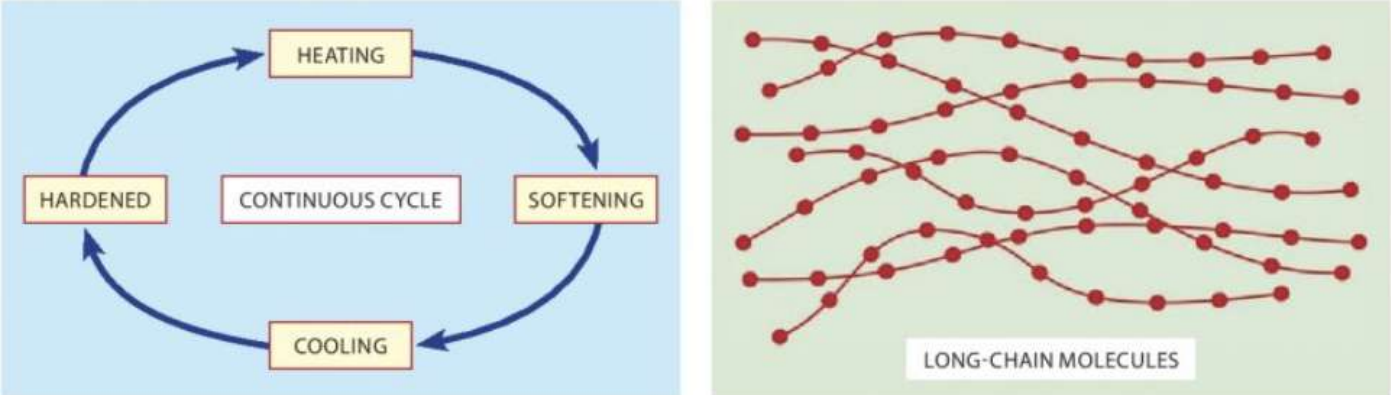
Thermoplastics contain long, tangled molecular chains that behave predictably when heated. As temperature increases, these materials soften and become flexible, allowing them to be bent, pressed, or moulded into desired shapes. When cooled, they harden again, returning to their original state.
Important
Key Characteristic of Thermoplastics:
Thermoplastics have the ability to undergo repeated heating and reshaping cycles without damaging their chemical structure. When reheated, they tend to return to their original flat form - a phenomenon called plastic memory. This property makes thermoplastics highly recyclable.
Common thermoplastics

Code 1 - Polyethylene terephthalate (PET/PETE) This clear, tough, and durable plastic offers excellent moisture resistance. You'll commonly find it in:
- Polyester clothing fibres
- Water and soft drink bottles
- Oven-proof food trays
- Fruit containers
Code 2 - High-density polyethylene (HDPE) Known for being tough, stiff, and chemically resistant, HDPE is used for:
- Electrical cable insulation
- Water pipes and plumbing
- Children's toys
- Storage containers and buckets
Code 3 - Polyvinyl chloride (PVC) Available in two forms - rigid (unplasticised) and flexible (plasticised):
- Rigid PVC: guttering, drainage pipes, window frames
- Flexible PVC: cable insulation, garden hoses, shower curtains
Code 4 - Low-density polyethylene (LDPE) This flexible plastic with good chemical resistance softens at approximately 85°C. Common applications include:
- Squeeze bottles
- Plastic shopping bags
- Food packaging films
Code 5 - Polypropylene (PP) Strong, tough, and durable with excellent chemical resistance, PP is used for:
- Furniture and chairs
- Laboratory equipment
- Safety helmets and protective gear
- Fishing nets and ropes
Code 6 - Polystyrene (PS) Often in expanded foam form, providing good thermal insulation and cushioning properties:
- Building insulation materials
- Protective packaging for delicate items
Thermosetting plastics
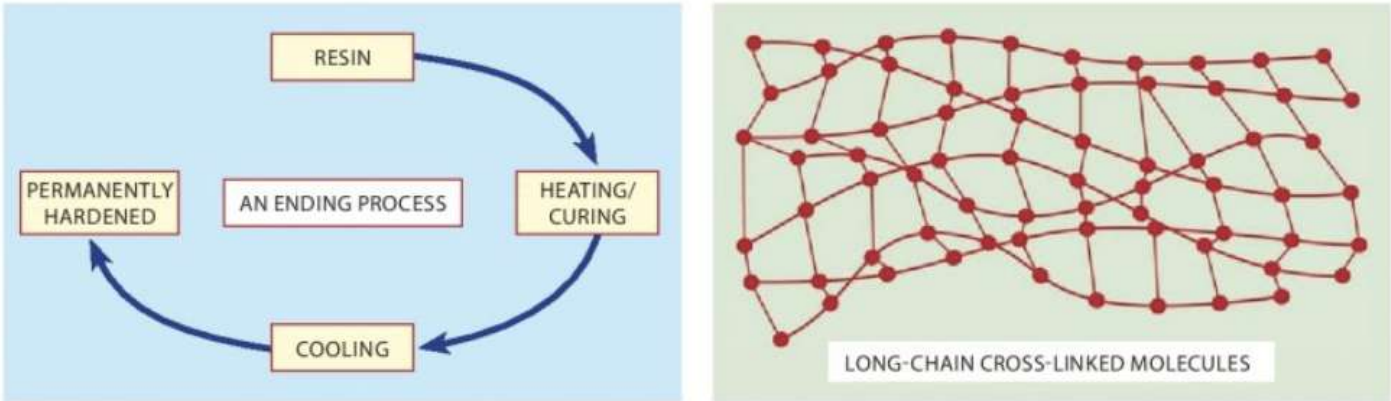
Unlike thermoplastics, thermosetting plastics undergo a permanent chemical transformation during the moulding and hardening process. This creates cross-linked molecular structures that form a rigid, three-dimensional network.
Important
Critical Difference from Thermoplastics:
Once the curing process is complete, thermosetting plastics cannot be softened or reshaped by reheating. They possess excellent heat resistance and electrical insulation properties but cannot be recycled through conventional methods.
Common thermosetting plastics
Phenol formaldehyde (Bakelite) Hard, rigid, and an excellent heat insulator that can be coloured. Applications include:
- Saucepan and cookware handles
- Billiard balls
- Brake pads
- Industrial adhesives
Urea-formaldehyde Hard, strong, but brittle material with scratch-resistant properties:
- Electrical switches and plugs
- Wood adhesives and glues
Melamine formaldehyde Strong, hard, and rigid material that can be easily coloured:
- Kitchen worktop surfaces (Formica)
- Plates and tableware
Polyester resin Hard and brittle, but significantly strengthened when reinforced with fibreglass:
- Boat hulls and marine applications
- Garden furniture and decorative items
Polyurethanes Available in various forms from flexible foams to rigid structural materials:
- Furniture foam and upholstery
- Car interior components
- Shoe soles and footwear
- Insulation materials
Plastic waste management
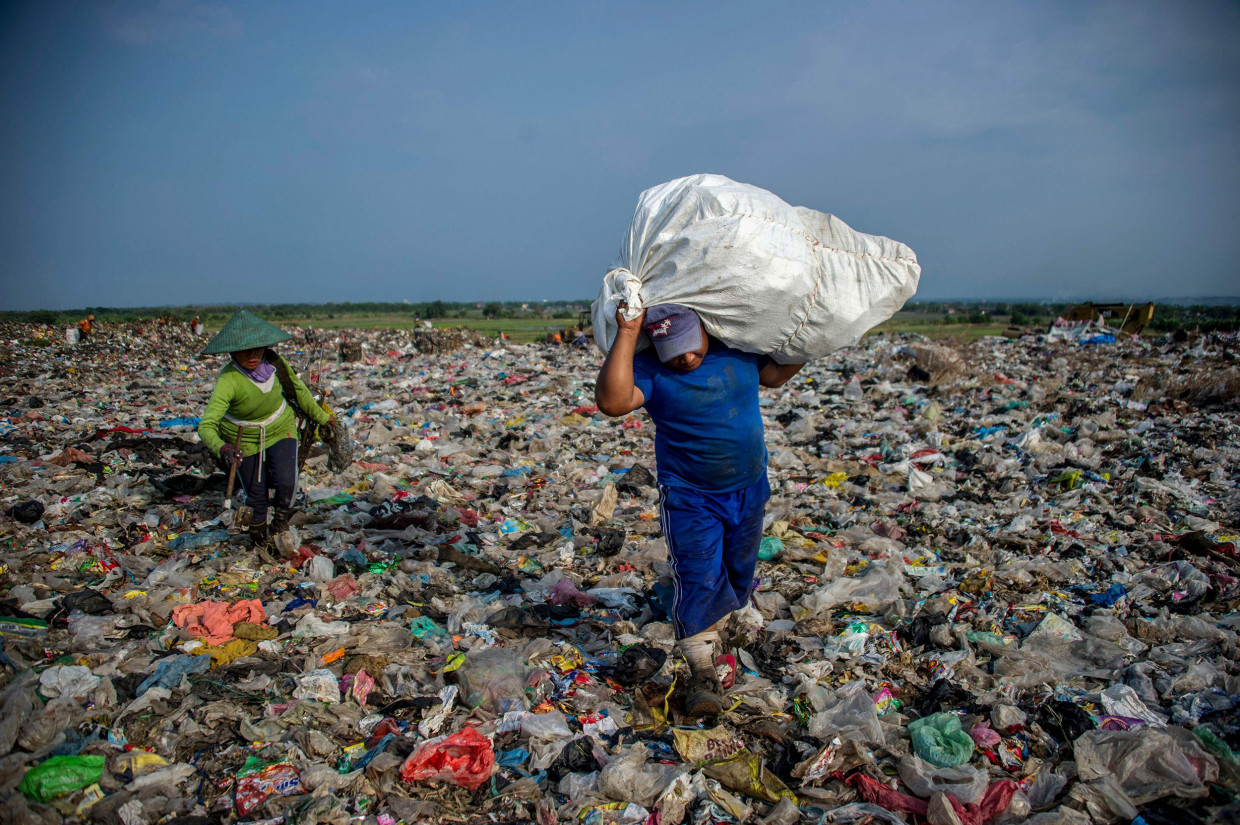
While plastics offer numerous benefits in daily life, their durability and low cost contribute to significant environmental challenges. The non-degradable nature of most plastics means they can persist in the environment for hundreds of years before decomposing, leading to increasing waste accumulation and litter problems.
Important
Environmental Impact:
Although biodegradable alternatives are being developed, most current plastics remain non-degradable. This creates a critical need for effective waste management strategies to prevent long-term environmental damage.
Several approaches exist for managing plastic waste:
Note
The Three Rs Approach:
- Reduce - minimising plastic consumption through reusable bags, avoiding unnecessary packaging, and choosing non-disposable alternatives
- Reuse - finding new purposes for plastic items like using containers for storage or donating unwanted toys
- Recycle - processing waste plastic into new materials and products, though contamination from additives can complicate this process
Other disposal methods:
- Landfill - the most common but problematic method, causing sites to fill rapidly and wasting non-renewable resources
- Incineration - burning plastic waste to generate heat and electricity, though environmental concerns exist regarding emissions
- Pyrolysis - heating plastic waste in oxygen-free conditions to break it down into gas, liquid fuel, and solid materials for further processing
Working with plastics
Acrylic sheet processing
Acrylic is a popular thermoplastic for workshop projects due to its clarity, durability, and workability. However, it requires careful handling as it becomes brittle when cold and can crack easily if not worked properly.
Important
Safety Considerations:
Acrylic becomes brittle when cold and can crack easily if not worked properly. Always handle with care and use appropriate techniques to prevent damage.
Key techniques include:
Sawing: Use fine-toothed saws with light pressure, keeping work close to cutting line to prevent flexing and cracking.
Filing: Double-cut files work effectively, keeping the work low in the vice to minimise vibration.
Drilling: Standard twist drills can be used, but the point angle should be reground to about 140°. Slow helix drills with smaller rake angles reduce the risk of "drill snatch" and damage.
Bending and forming
For bending acrylic, heat only the section where the bend will occur using an electric strip heater. The material should be heated until sufficiently soft, then bent using a former for consistent angles.

Vacuum forming
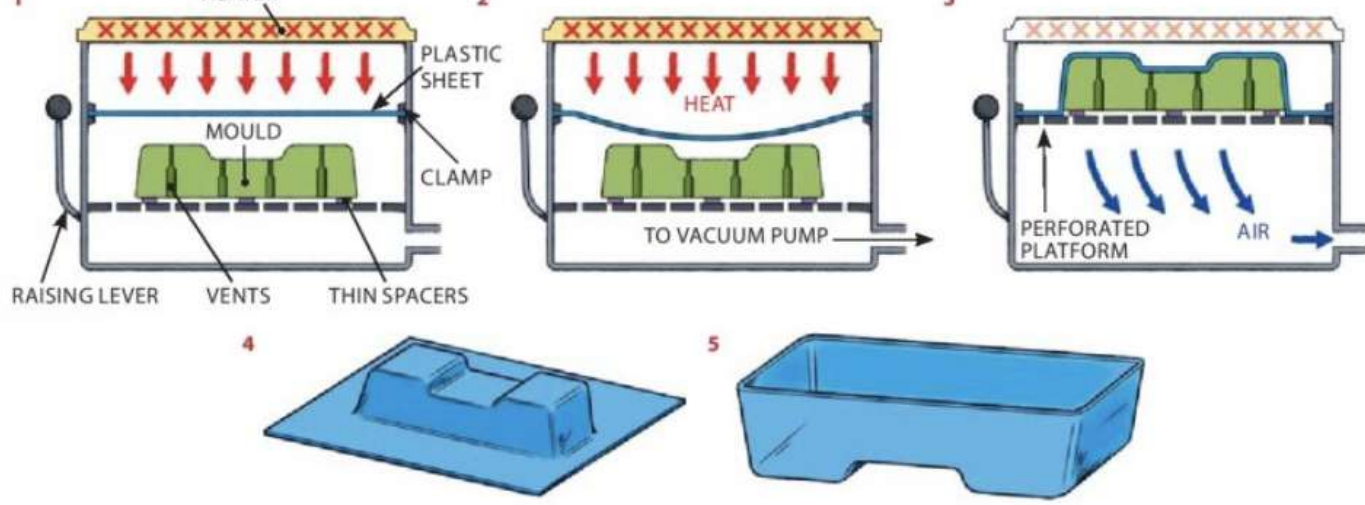
This process creates three-dimensional shapes by heating plastic sheets and using atmospheric pressure to force them over moulds.
Example
Worked Example: Vacuum Forming Process
The process involves five key stages:
- Clamping - the plastic sheet above the mould with heater on
- Heating - until the sheet becomes soft and flexible
- Forming - raising the platform while activating the vacuum pump
- Cooling - the formed shape and releasing from the mould
- Finishing - trimming excess material
Dome blowing is a variation that uses air pressure to force heated plastic through a ring, creating dome shapes.

Industrial applications
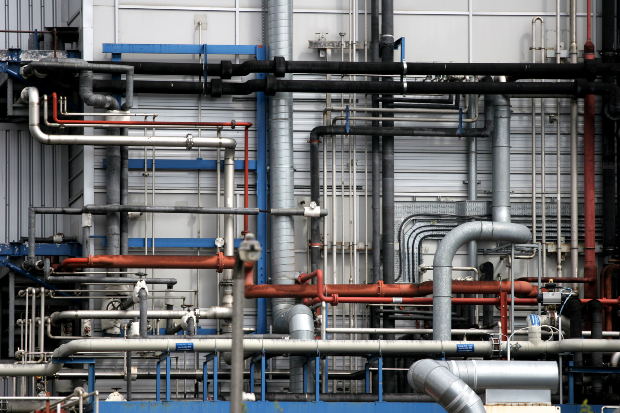
Plastics play crucial roles in industrial infrastructure, from pipeline systems to manufacturing processes.
Summary
Key Points to Remember:
- Plastics are polymers made from long molecular chains formed through polymerisation of crude oil
- Thermoplastics can be repeatedly heated and reshaped, making them recyclable
- Thermosetting plastics undergo permanent chemical changes and cannot be remelted or recycled
- Recycling codes 1-7 help identify plastic types for proper waste management
- The three R's (reduce, reuse, recycle) provide a framework for managing plastic waste responsibly