Fold Mountains II (Junior Cert Geography): Revision Notes
📚Revision Notes
Fold Mountains II
Note
This section focuses on how humans interact with fold mountains. Fold Mountains I focuses on the physical processes associated with fold mountains.
Impacts of Fold Mountains
Economic Impact – Farming
- Upland areas are only suitable for pastoral farming (raising animals) due to steep slopes.
- Forests in upland areas are mainly coniferous trees. These trees can survive cold temperatures, but farming higher up is difficult as the land turns rocky with poor soil. Example: In Nepal, the lower slopes of the Himalayas are used for farming, but the land higher up is unsuitable for crops. Agriculture depends heavily on the southern lowland areas.
Economic Impact – Tourism
- Tourism is a key industry in upland areas. Tourists are attracted to activities like hiking, hill walking, and sightseeing.
- Governments invest in walking and cycling routes to promote tourism.
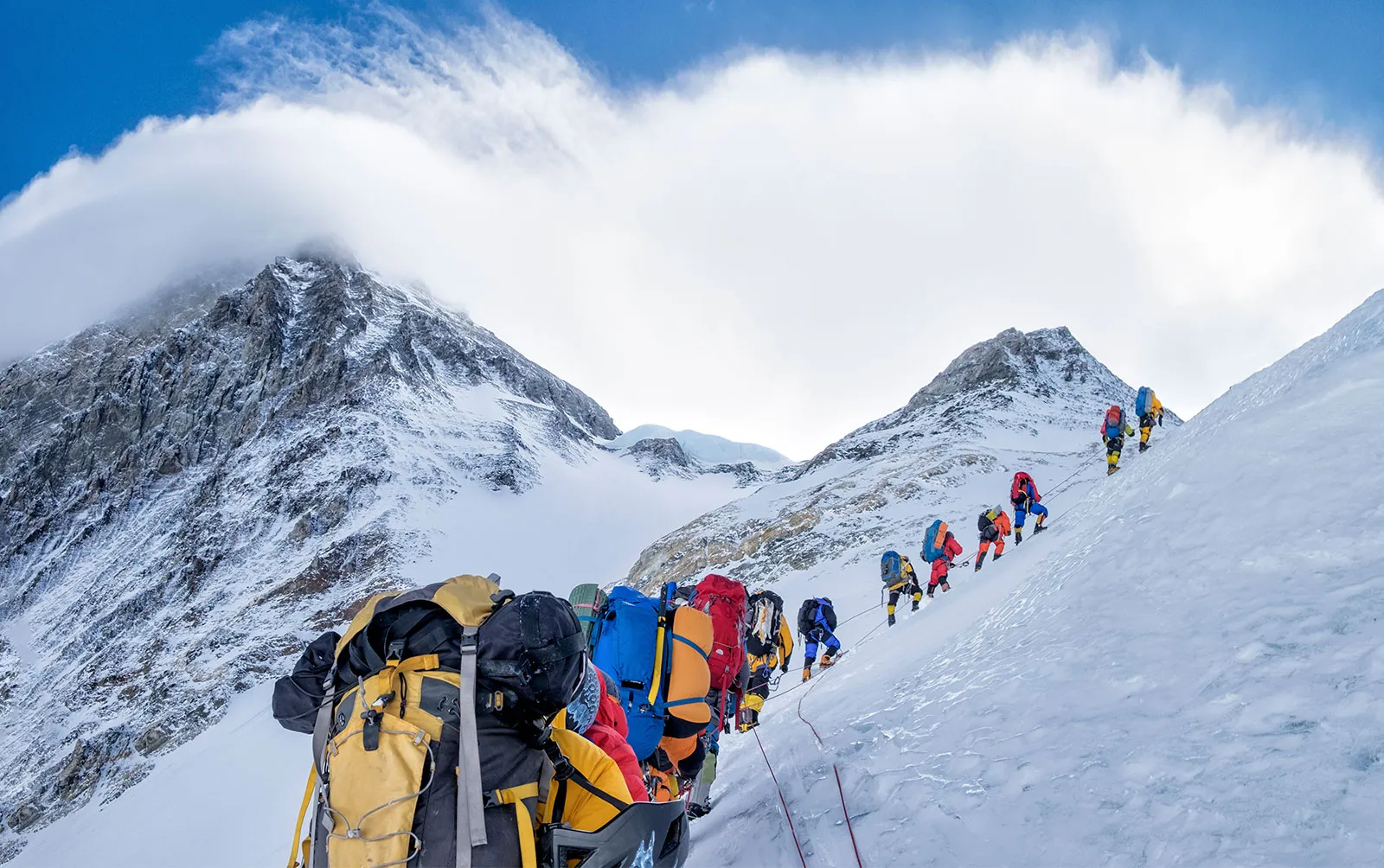
- Tourists spend money on local services like hotels and restaurants, boosting the local economy. Example: The Himalayas attract climbers and trekkers, especially to Mount Everest. Nepal charges permits for climbers, which significantly contributes to the economy. Over 500,000 tourists visited Nepal in 2016.
Economic Impact – Transport
- Mountainous terrain makes transport difficult and expensive. Building roads or railways is hard due to steep slopes and the risk of landslides.
- Routes often have to go around mountains, making journeys longer and less efficient.
Social Impact – Settlement and Population
- Few people live in upland areas because they are cold, windy, and remote.
- Upland areas have fewer services like schools and hospitals, which discourages people from settling there. This creates a vicious circle where lack of services leads to low population, and low population leads to fewer services. Example: In Nepal, most people live in the southern lowlands. The northern part of the country is too mountainous and sparsely populated, forcing people to migrate to the lowlands.