Human Interaction with Surface Processes (Junior Cert Geography): Revision Notes
📚Revision Notes
Human Interaction with Surface Processes
Human Interaction with Rivers
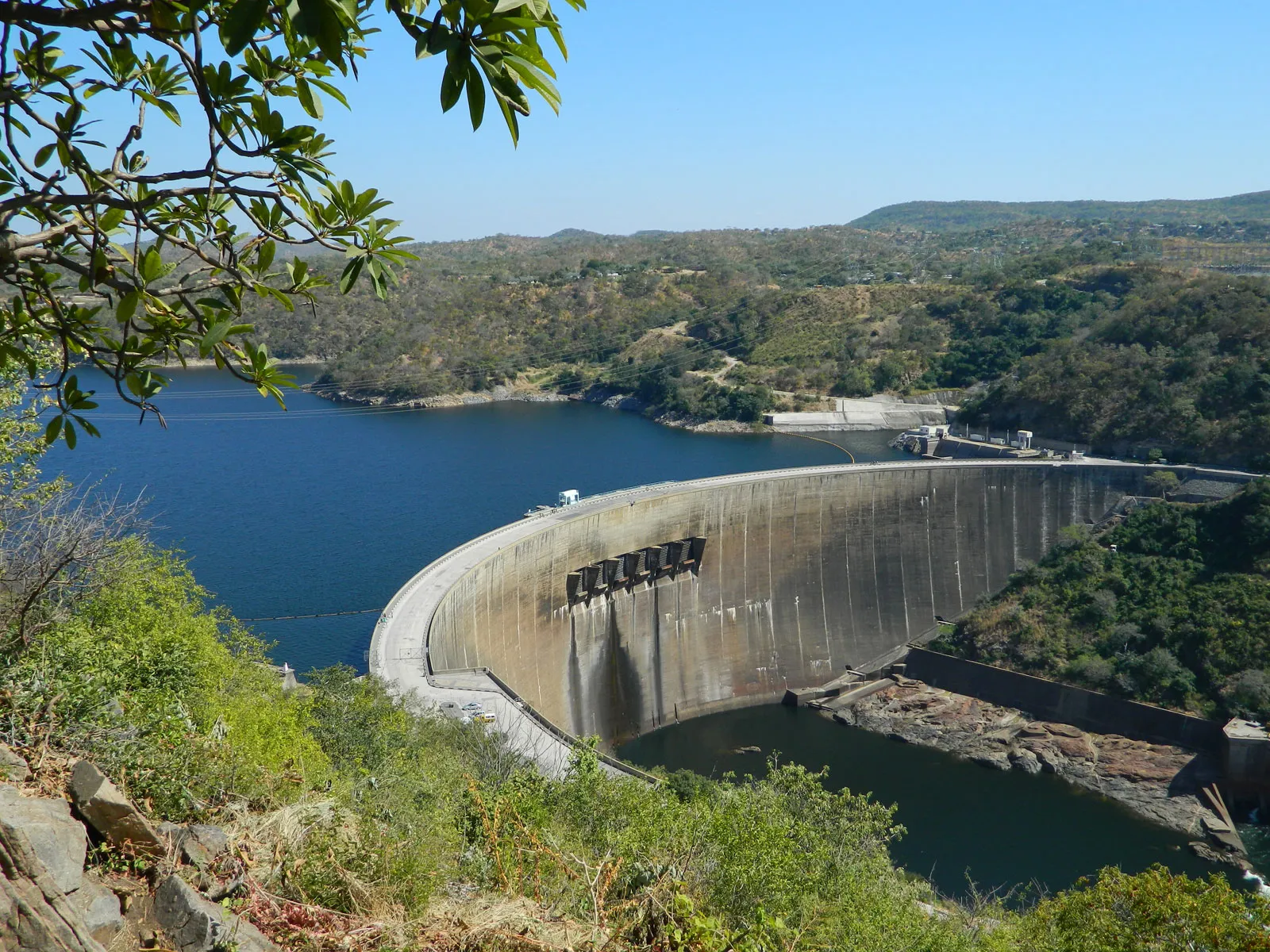
Humans interact with rivers through dams. Dams are built across water to generate electricity and control the flow of water. They have advantages and disadvantages:
Advantages of Dams:
- Dams help to control flooding by managing the river's flow, reducing the risk of downstream flooding.
- They can generate hydroelectric power, which is a clean and renewable energy source.
- Reservoirs created by dams store water, providing a steady supply for urban use and recreational activities like boating.
Disadvantages of Dams:
- The area behind a dam often becomes permanently flooded, which can destroy farmland and displace communities.
- Sediment builds up behind the dam, reducing the amount of water the reservoir can hold.
- Dams are expensive to build and release large amounts of CO2 during construction, which contributes to climate change.
Human Interaction with Coasts
Coasts are important for tourism and fishing. To safeguard the coastline from erosion and other surface processes humans have introduced engineering solutions such as:
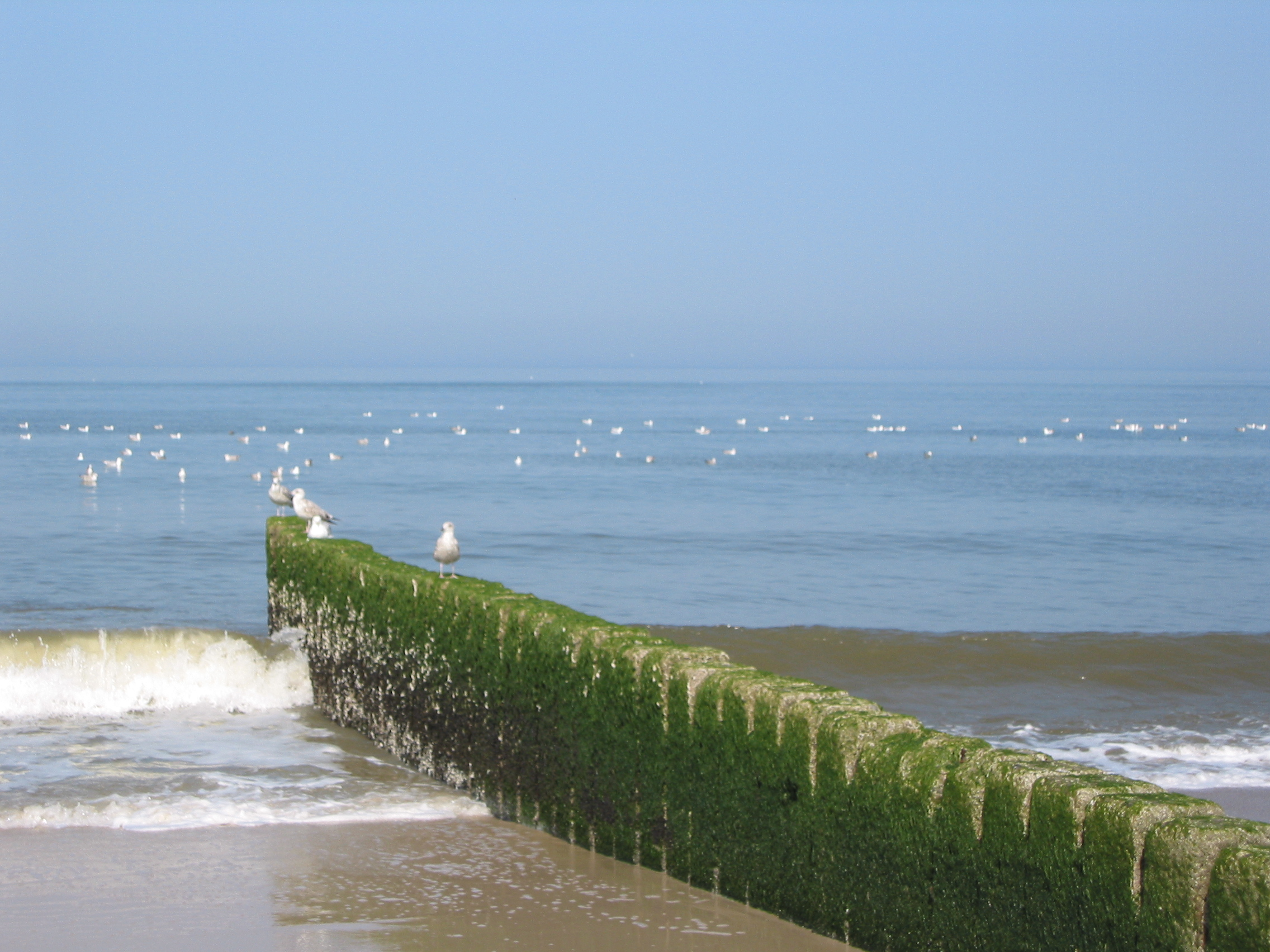
- Groynes are concrete or wooden walls built at right angles to the sea. They prevent longshore drift, which helps build up sand on beaches. However, this can cause erosion further down the coast as those areas receive less sand.
- Rock Armour: Large boulders placed at the base of cliffs or sand dunes to absorb the energy of waves. This reduces the waves' power and prevents erosion.
- Sea walls: are built at the back of beaches to protect coastal towns. They are curved to reflect waves back, reducing their energy and the risk of erosion.
- Gabions are wire cages filled with stones. They are placed in front of sand dunes or beaches to absorb wave energy and reduce erosion.
Groynes
Human Interaction with Glacial Landscapes
Glacial landscapes provide valuable resources and opportunities for various human activities.
- Agriculture: Glacial landscapes offer fertile land for farming. The boulder plains left behind by glaciers are ideal for grazing animals and growing crops.
- Forestry and Scenery: Glaciated valleys often have forests. These trees can prevent soil erosion or simply add to the area's natural beauty, increasing its scenic value.
- Construction Materials: Glaciers leave deposits of sand and gravel. These materials, found in moraines and eskers, are valuable for the building industry.
- Tourism: Glaciated landscapes are popular tourist destinations. Activities like hill walking, mountain climbing, and skiing attract visitors looking for outdoor recreation.