Population Distribution and Density (Junior Cert Geography): Revision Notes
📚Revision Notes
Population Distribution and Density
Population Distribution and Density
-
Population Distribution: Refers to where people live across the Earth's surface. The world's population is unevenly distributed, with fewer people living in harsh environments like cold regions, deserts, and mountains.
-
Population Density: This is the average number of people per square kilometre in a particular area. Population density varies by country, region, and city. Densely populated areas usually have temperate climates, fertile soils, and resources. These areas often develop into hubs for manufacturing, communications, and cities, attracting even more people over time.
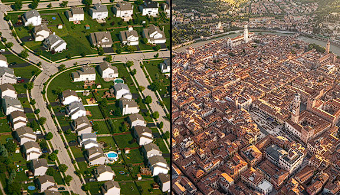
Difference between Low and High Density developments
Factors that affect Density and Distribution
-
Relief: People prefer to live on flat, low-lying land below 200 metres, as it is easier to access, build on, and farm. Many major cities are located on low-lying coasts or river floodplains.
-
Climate: Around 90% of the world's population lives in the northern hemisphere between latitudes 20° and 60°, where the climate is moderate—not too hot or cold. This climate allows for intensive agriculture, which supports larger populations.
-
Resources: Areas rich in natural resources, such as coal and iron ore, tend to have higher population densities. For example, Europe saw a population increase during the Industrial Revolution as workers moved to resource-rich areas for jobs.
- History: Historical events like colonisation, wars, and mass migrations have shaped population distribution. For example, the Great Famine in Ireland and European colonisation of Africa affected where people lived.
- Economic Development: Urbanisation has led people to leave rural areas for cities, seeking better jobs and living conditions. Cities offer more facilities, services, and opportunities, attracting a larger population. Today, over 50% of the world's population lives in urban areas.