Ancient Rome (Junior Cert History): Revision Notes
📚Revision Notes
Ancient Rome
Rome's History
- Rome was founded by Romulus and Remus around 753 BC.
- It started as a kingdom, became a wealthy republic, and later the Roman Empire.
- The Roman Empire controlled much of Europe, North Africa, Greece, and Spain, ending around AD 476.
Roman Towns
Roman towns had several features:
-
A forum was a large town square for business, politics, and worship.
-
Temples were for worshipping gods.
-
Aqueducts brought fresh water to towns.
-
Theatres hosted plays and poetry performances.
-
Monuments commemorated Rome's history.
-
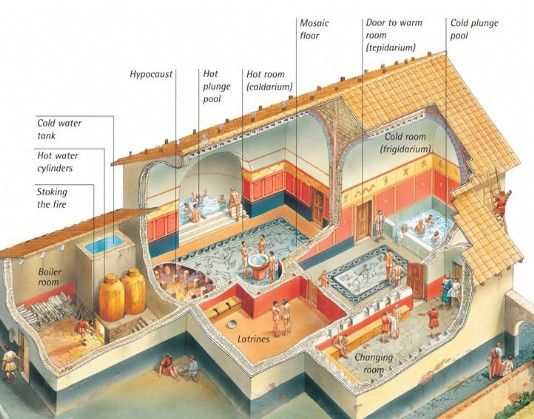
Public baths were places for bathing, socialising, and exercising.
-
An amphitheatre held gladiatorial games.
Note
Patricians were wealthy noble families who ruled Rome. Plebeians were the poor majority of Rome's population.
Daily Life in Rome - Patricians
- Patricians were wealthy noble families who ruled Rome.
- Men wore togas and women wore stolas.
- Patricians lived in domus (townhouses) or villas (countryside houses).
- Domus had features like an atrium (central courtyard) and mosaics for decoration.
- They used oil lamps for light and some had running water.
Daily Life in Rome - Plebeians
- Plebeians were the poor majority of Rome's population.
- They received a dole (free grain).
- Men wore tunics and women wore plain stolas.
- They lived in insulaes (apartment blocks), with the poorest living in the top wooden floors, which were fire hazards.
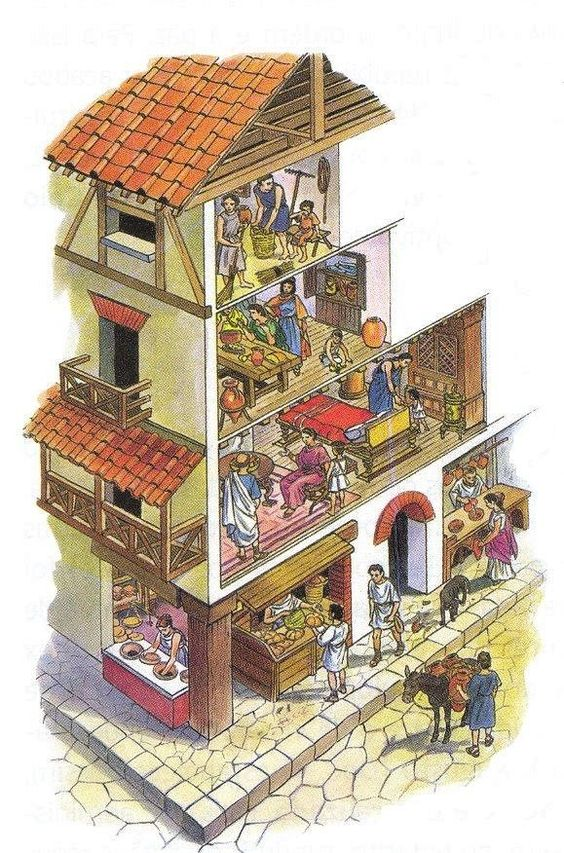
Insulae
Daily Life in Rome - Slaves
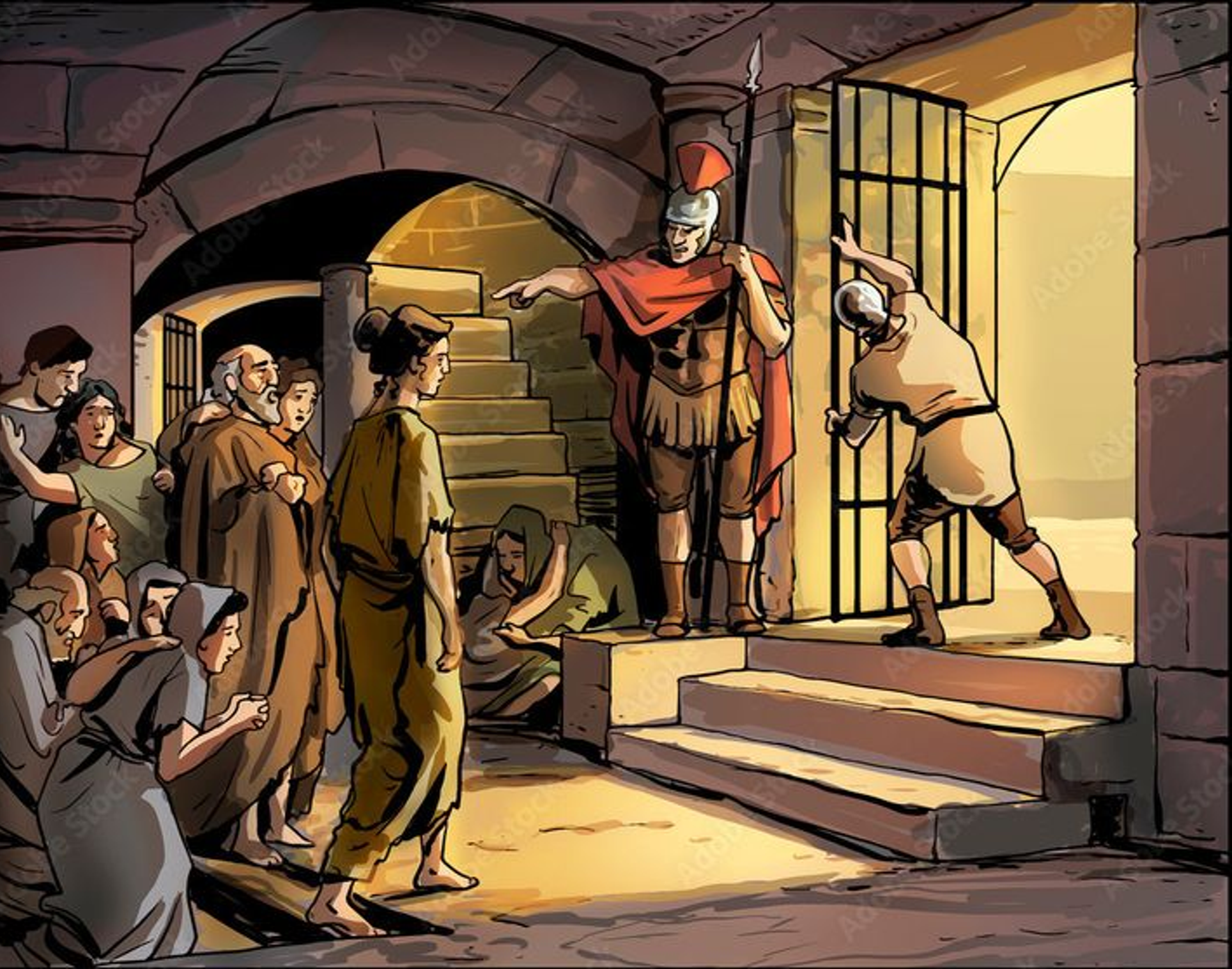
- Rome had over 300,000 slaves, from prisoners of war, children of slaves, captured people, or sold children.
- Slaves worked in various roles, including cooking, cleaning, construction, farming, and mining.
- Educated slaves, often Greeks, worked as teachers, secretaries, doctors, and tutors, sometimes earning manumission (freedom).
Daily Life in Rome - Women
- Girls married by age 14 or 15 in a conferratio (wedding ceremony).
- Women managed households and children or supervised slaves.
- Women could not vote or participate in public life.
Daily Life in Rome - Education
- Plebeian children received basic education before working.
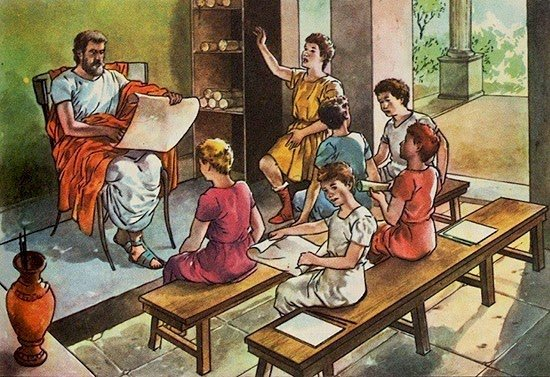
- Patrician children (7-12) attended ludus for reading, writing, and arithmetic. Boys continued to grammaticus for advanced studies, while girls learned domestic skills.
Note
Ludus (plural ludi) in ancient Rome could refer to a primary school, a board game, or a gladiator training school.
Entertainment
- Public baths
- Roman theatre
- Chariot racing
- Gladiators
Entertainment - Public Baths
- Public baths were free and important for socialising, exercising, and business.
- Baths included tepidarium (medium heat room), caldarium (hot room), frigidarium (cool water room), and palaestra (exercise yard).
Entertainment - Chariot Racing
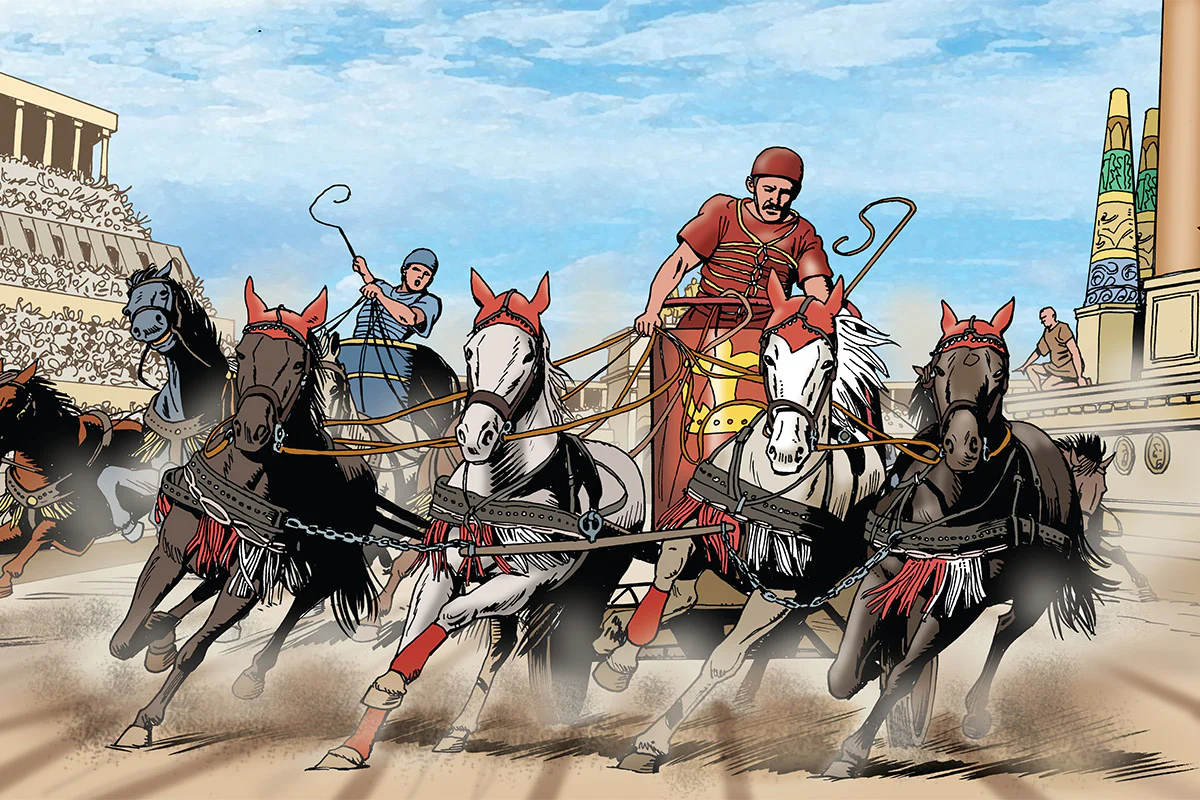
- Chariot racing involved 2-4 horses in teams, often resulting in dangerous and deadly races.
- The Circus Maximus was Rome's arena for chariot racing, holding up to 250,000 people.
Entertainment - Roman Theatre
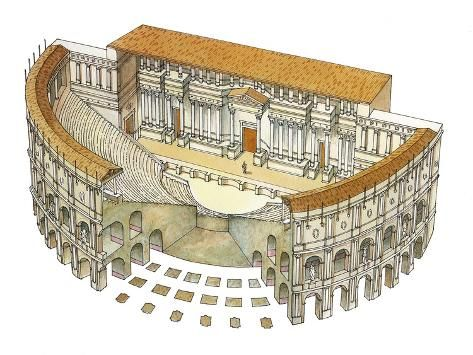
- Theatres were semi-circular buildings for tragedy and comedy plays, with all actors being men.
Entertainment - Gladiators
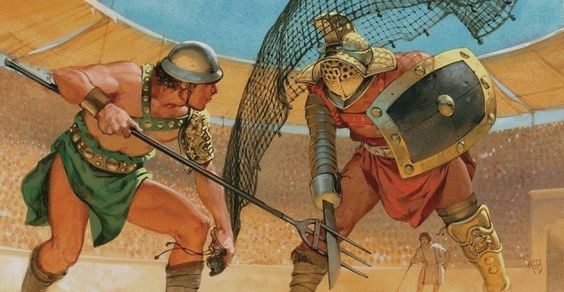
- Gladiators were usually slaves who fought in amphitheatres like the Colosseum, which could hold over 50,000 spectators.
- Gladiators used various fighting styles and rarely fought to the death.
The Roman Army
- The army was central to Roman civilisation, with soldiers serving 25 years and receiving land as a reward.
- Roman legionnaires were foot soldiers, and the army included infantry, cavalry, and artillery.
- Soldiers used equipment like metal armour, swords, helmets, shields, and javelins.
Religion in Rome
- Romans were polytheists, believing in many gods and making offerings at temples or family shrines (lararium).
- When Romans died, they were cremated, and their ashes were placed in urns, with funerals held outside town walls.
The Spread of Christianity
- After Christ's death, Christianity spread through the Roman Empire.
- Christians, who were monotheists, were persecuted for not worshipping Roman gods.
- Emperor Constantine legalised Christianity in AD 313.
The Fall of the Roman Empire
- The Roman Empire faced invasions from barbarian tribes and internal conflict, leading to its fall by AD 476.
- The Eastern Roman Empire became the Byzantine Empire.
Legacy of Ancient Rome
- Many modern languages are based on Latin.
- Christianity became a powerful religion due to the Roman Empire.
- The Roman calendar influenced the modern calendar.
- Roman architecture introduced concrete, rounded arches, and pillars.
Key Terms
- Colosseum is a large ancient amphitheatre in Rome where gladiator fights, animal hunts, and public spectacles were held.
- Patricians were the wealthy and powerful upper class in ancient Rome, often involved in politics and land ownership.
- Plebeians were the common people in ancient Rome, including farmers, artisans, and merchants, who had less political power than patricians.
- Gladiators were fighters in ancient Rome who entertained audiences by battling each other or wild animals in arenas like the Colosseum.
- Circus Maximus was a large ancient Roman stadium used for chariot races, public games, and other mass entertainment events.
| Temples | For worshipping gods. |
|---|---|
| Aqueducts | Brought fresh water to towns. |
| Patricians | Wealthy noble families who ruled Rome. |
| Plebeians | The poor majority of Rome's population. |
| Educated Slaves | Often Greeks, worked as teachers, secretaries, doctors, and tutors, sometimes earning manumission (freedom). |
| Baths | Included tepidarium (medium heat room), caldarium (hot room), frigidarium (cool water room), and palaestra (exercise yard). |
Exam Focus-Revision Questions
- Who founded Rome?
- True or False: Patricians were the poor people of Rome.
- What is a forum used for?
- Fill in the blank: Roman apartment blocks were called _______.
- What is manumission?
- True or False: Women in Rome could vote.
- What did Patrician children learn at ludus?
- Fill in the blank: The Circus Maximus was used for _______ racing.
- What is a lararium?
- True or False: The Colosseum could be flooded for mock sea battles.
Note
Really looking to impress? Here are 3 Key events you can research to get more information on Ancient Rome:
- The Punic Wars (264-146 BCE)
- The Construction of the Colosseum (70-80 CE)
- The Reforms of Diocletian (284-305 CE)