1916 Rising-Summary Sheet (Junior Cert History): Revision Notes
📚Revision Notes
1916 Rising-Summary Sheet
Causes
- Home Rule Postponed: The Home Rule Act, which would have granted Ireland self-government, was passed in 1914, but its implementation was postponed due to World War I. This frustrated many Irish nationalists.
- Rise of Militant Nationalism: The formation of militant groups like the Irish Republican Brotherhood (IRB) and the Irish Volunteers, along with events like the Howth gun-running, showed that some nationalists were willing to use force to achieve their goals.
- World War I: The ongoing war made Britain vulnerable, and the IRB believed that a rebellion during this time would have the best chance of success.
Course
- Planning: The Easter Rising was planned by the IRB. Most Irish people, including many members of the Irish Volunteers, had no idea it would happen.
- Start of the Rising: On Easter Monday, April 24, 1916, about 1,600 rebels seized key locations in Dublin and proclaimed an Irish Republic.
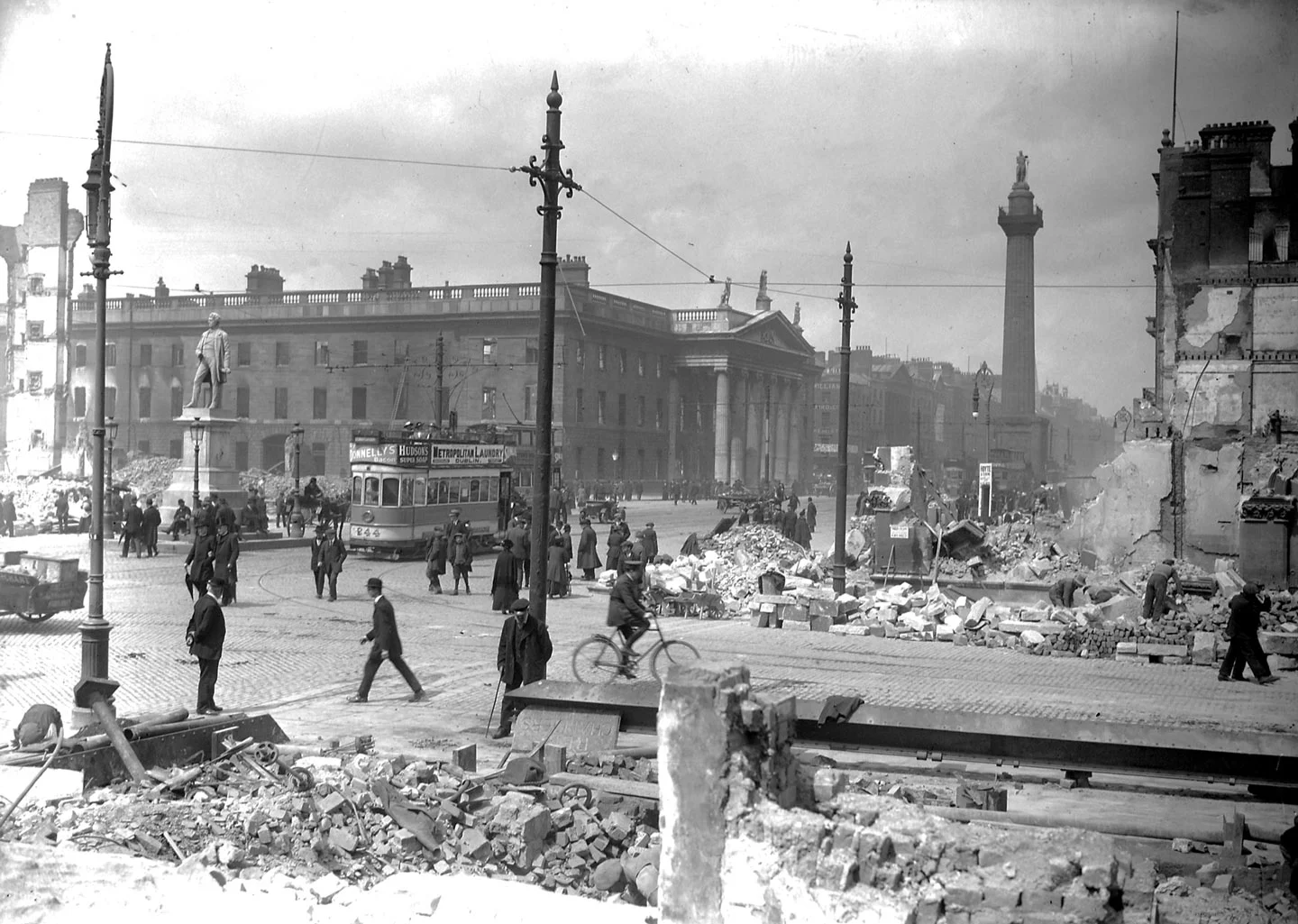
- Fighting: There was heavy fighting for six days. The rebels held out against a much larger British force but were eventually overwhelmed.
- Surrender: The leaders of the Rising realised they couldn't win and surrendered on April 29 to prevent further civilian casualties.
Consequences
- Execution of Leaders: The British executed 16 of the leaders of the Easter Rising, including all seven signatories of the Proclamation of the Irish Republic. This turned public opinion in Ireland against the British.
- Rise of Sinn Féin: The political party Sinn Féin, which had not been involved in the Rising, capitalised on the public mood and won most Irish seats in the 1918 general election.
- War of Independence: The Easter Rising is seen as the start of the Irish revolutionary period, which led to the Irish War of Independence, the Anglo-Irish Treaty, and, eventually, the creation of the Irish Free State.
- Northern Ireland: The division between nationalists and unionists, already strong before the Rising, deepened further as a result, eventually leading to the partition of Ireland and the creation of Northern Ireland.