The Reformation (Junior Cert History): Revision Notes
📚Revision Notes
The Reformation
The Causes of the Reformation
- The influence of the Renaissance: More people learned to read and write, questioning teachings about the Bible. The Printing Press helped spread new ideas quickly.
- The wealth of the Church: The Church was the wealthiest organisation in Europe. Bishops, priests, and monks were huge landowners, causing resentment. Everyone paid a tithe to the local priest or bishop, which was resented by ordinary people.
Abuses of power within the Catholic Church
- Simony: Buying or selling of positions within the Church.
- Nepotism: Appointing relatives to Church jobs regardless of merit.
- Pluralism: Having more than one Church job at the same time.
- Absenteeism: Priests/bishops being absent from their parish/diocese for long periods.
- Sale of indulgences: Selling special prayers that "reduced" time in purgatory.
- Misbehaviour of clergy: Breaking vows of celibacy, not performing duties, receiving bribes.
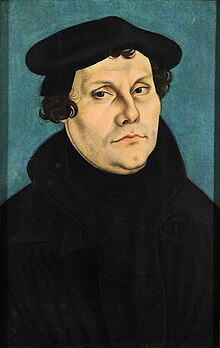
Martin Luther (1483 – 1546)
-
Born in Saxony, Germany, Luther studied law before becoming an Augustinian monk and later a Professor of Theology at the University of Wittenberg.
- Luther found that the Bible mentioned only faith in God for salvation, not good works (Justification by Faith Alone).
- In 1517, John Tetzel arrived in Wittenberg to sell indulgences, which Luther protested. He wrote 95 theses outlining issues with the Church, which were spread via the printing press.
- Luther debated theologian John Eck but refused to recant his views.
- Pope Leo X sent Luther a papal bull threatening excommunication. Luther burned it and was excommunicated in 1521.
- The Holy Roman Emperor, Charles V, called a meeting (Diet of Worms) to discuss Luther's beliefs. Luther refused to recant, leading to the Edict of Worms, declaring him an outlaw.
-
Luther's followers, known as Protestants, protested the Edict.
-
Prince Frederick of Saxony hid Luther at Wartburg Castle, where he translated the Bible into German.
-
Luther married Catherine von Bora, a former nun, and had six children.
Note
Justification by faith alone is a core principle that Martin Luther introduced during the Protestant Reformation. This idea suggests that a person's salvation is granted through their faith in Jesus Christ, not by their deeds or actions.
Note
A Papal Bull is a formal letter or announcement from the Pope. In 1520, Pope Leo X issued a Papal Bull that addressed Martin Luther's actions. This document warned Luther to stop spreading his ideas about faith and the Church, and it threatened to excommunicate him (officially exclude him from the Church) if he didn't take back his statements.
Some of Luther's beliefs:
- The Bible is the only source of guidance.
- Mass should be in the vernacular.
- Only two sacraments: baptism and communion.
- Consubstantiation instead of Transubstantiation.
- Justification by faith alone.
- No need for bishops or Church hierarchy.
- Clergy should be allowed to marry.
Note
Indulgences were certificates sold by the Catholic Church that promised to reduce punishment for sins, either for the buyer or for their loved ones in purgatory. Luther strongly objected to this practice, as he believed it misled people into thinking they could buy their way into heaven. Luther's opposition to indulgences was famously expressed in his Ninety-Five Theses of 1517, which he nailed to the church door in Wittenberg. This act is often seen as the starting point of the Protestant Reformation.
The Spread of the Reformation
The Reformation spread quickly, with many northern countries becoming Protestant while the south remained Catholic.
Major reformers:
- Ulrich Zwingli (1531) in Switzerland.
- Henry VIII (1534) established the Church of England.
- Jean Calvin (1541) set up Presbyterianism and believed in predestination.
- John Knox (1572) brought Presbyterianism to Scotland.
Note
Predestination is the belief that God has already decided who will go to heaven and who will not.
Catholic Counter Reformation
The spread of Protestantism alarmed the Catholic Church, leading them to use force and persuasion to retain followers.
The Courts of Inquisition
- Courts arrested, tried, and punished anyone threatening Church teachings. Methods included imprisonment, torture, and various punishments like auto-da-fé (public burnings).
New Religious Orders
- Ursuline nuns and Capuchin monks set up schools and hospitals for the poor.
- The Jesuits, founded by Ignatius Loyola in 1534, operated like an army and converted many in South America and Asia to Christianity.
The Council of Trent
- Senior bishops and cardinals met to address Church attacks.
- Banned simony, nepotism, absenteeism, pluralism, and indulgences.
- Priests were to be celibate and trained in seminaries.
- Published the Catechism and the Index of Prohibited Books.
Results of the Reformation
Division and Persecution
- Europe divided into a majority Protestant north and a Catholic south, with religious minorities facing persecution.
- Religious wars broke out within and between countries, such as the Thirty Years War (1618-1648).
- The Peace of Westphalia allowed rulers to choose their state's religion and granted minority religions the right to private worship.
Power of Kings
Protestant countries seized Catholic Church properties, giving rulers control over religion in their territories.
Education
Education improved as Protestants needed everyone to read the Bible, and Catholics set up schools to teach Church doctrines.
Art and Architecture
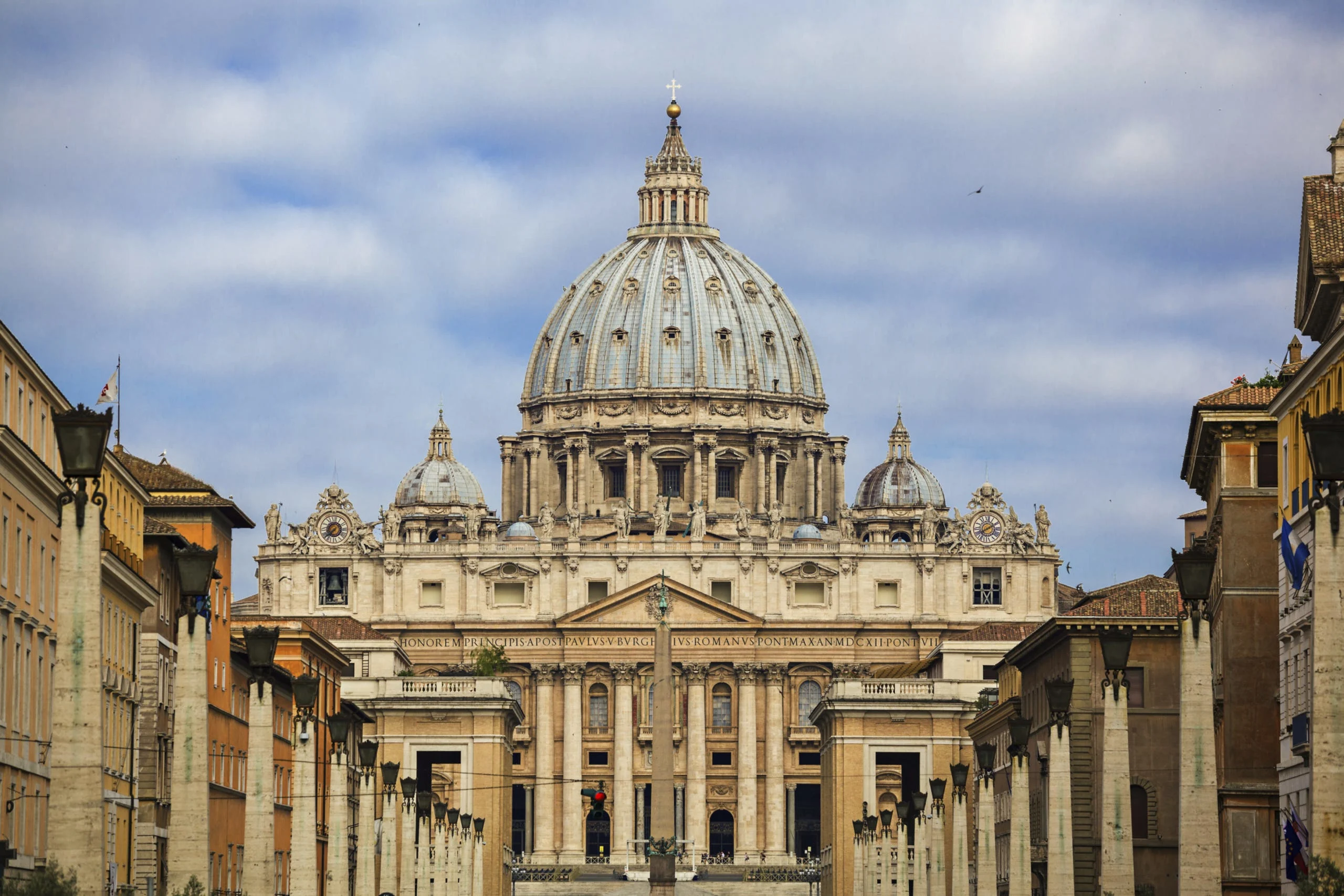
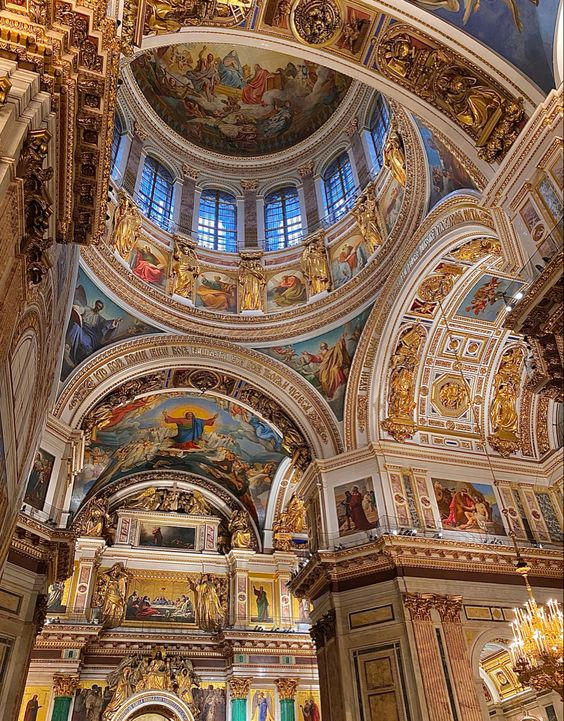
- Catholics decorated churches lavishly, leading to the baroque movement.
- Protestants believed decorations were sinful and wasteful.
Key Terms
- Reformation: a religious movement in the 16th century that aimed to reform the Catholic Church and led to the creation of Protestant churches.
- Printing Press: a machine invented by Johannes Gutenberg in the 15th century that revolutionised the production of books, making them more accessible and aiding the spread of Reformation ideas.
- Simony: the act of buying or selling church offices and roles, considered a corrupt practice within the Church.
- Indulgences: Indulgences were payments made to the Catholic Church that promised to reduce punishment for sins, which became a major issue leading to the Reformation.
- Papal Bull: an official decree issued by the Pope, often used to communicate important church decisions or doctrines.
- Diet of Worms: an imperial council held in 1521 where Martin Luther was asked to recant his teachings but refused, leading to his excommunication.
- Protestants: members of Christian denominations that broke away from the Catholic Church during and after the Reformation.
- Jesuits: members of the Society of Jesus, a Catholic religious order founded by Ignatius of Loyola in 1540, known for their educational and missionary work.
- Peace of Westphalia: a series of treaties signed in 1648 that ended the Thirty Years' War in Europe and marked the beginning of modern state sovereignty.
Revision Questions
- What was one cause of the Reformation?
- True or False: The sale of indulgences was one of the abuses within the Catholic Church.
- Who wrote the 95 theses?
- Fill in the blank: The Reformation spread quickly throughout _______.
- What was the purpose of the Courts of Inquisition?
- True or False: The Council of Trent banned simony and nepotism.
- What was one result of the Reformation in terms of Europe's religious division?
- Fill in the blank: The Peace of Westphalia allowed rulers to decide the _______ for their state.
- Who founded the Jesuits?
- True or False: The Thirty Years War was a religious conflict that involved most of Europe.
Note
Really looking to impress? Here are 3 Key events you can research to get more information on the Reformation:
- The Diet of Worms (1521)
- The Peasants War of 1524-25
- The Peace of Augsburg (1555)