Waste Management (Junior Cert Home Economics): Revision Notes
📚Revision Notes
Waste Management
Waste disposal is a major challenge in today's world.
Types of Waste:
Organic/Biodegradable:
- Breaks down naturally (e.g., food scraps, paper).
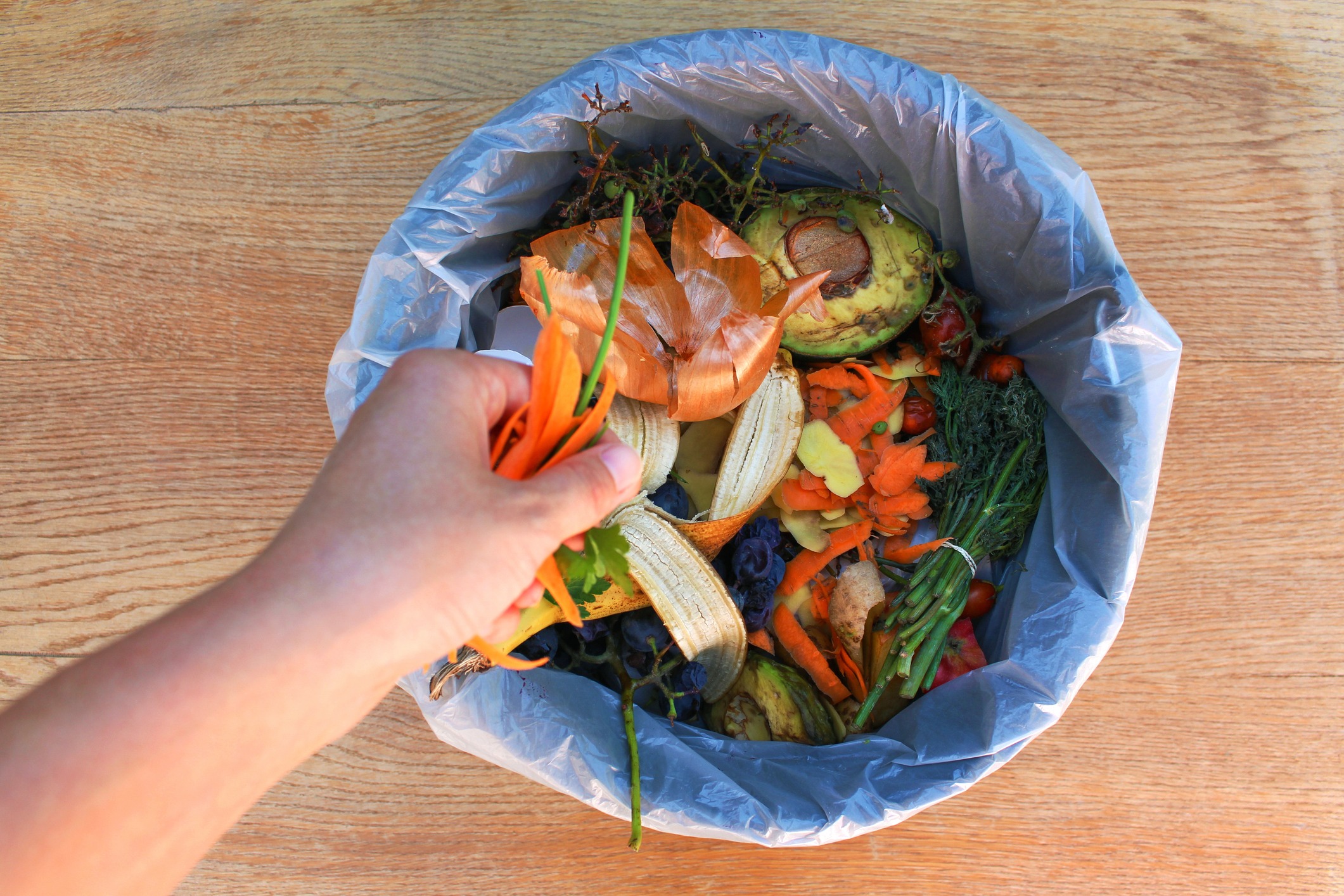
Inorganic/Non-Biodegradable:
- Does not break down easily (e.g., plastics, metals).
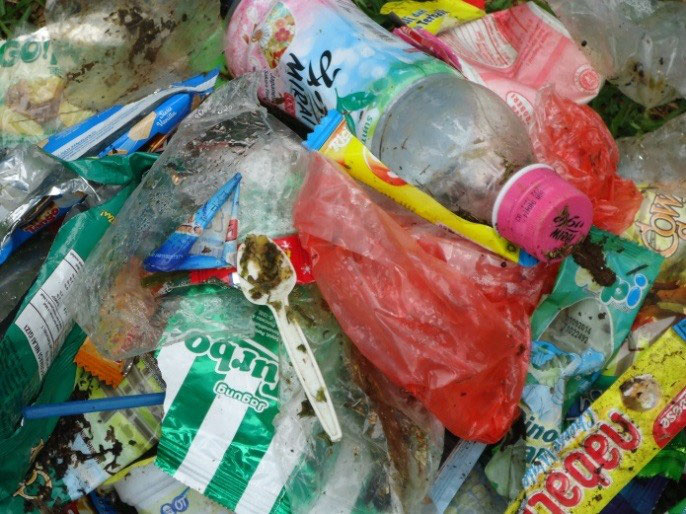
The EU Waste Hierarchy
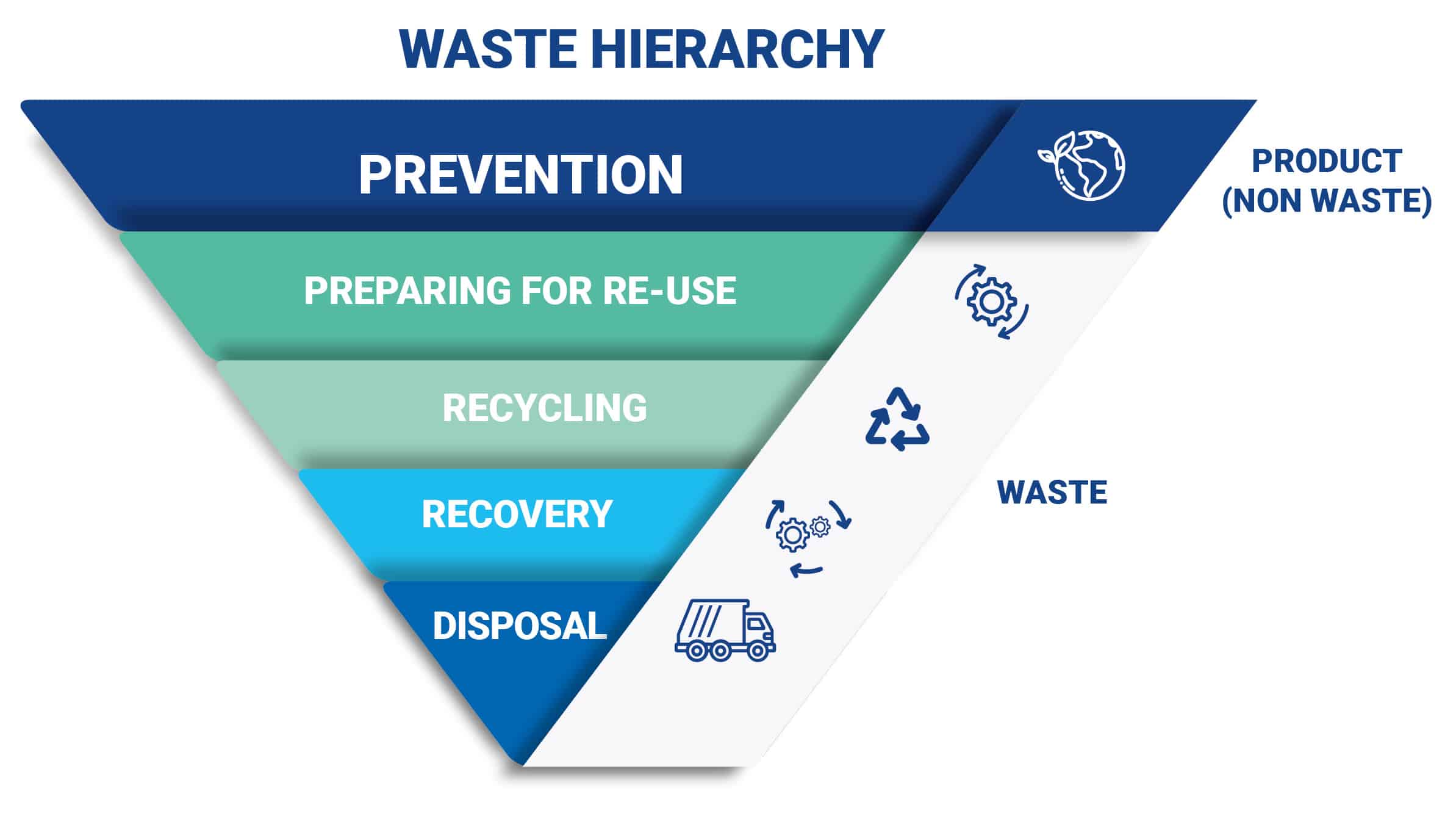
A guide for the most sustainable ways to deal with waste:
- Prevention:
- Buy only what you need.
- Compost organic waste instead of binning it.
- Minimisation:
- Repair and reuse items instead of discarding them.
- Reuse/Repurpose:
- Use waste creatively (e.g., upcycling old furniture).
- Recycle:
- Reprocess items like paper and glass into new products.
- Energy Recovery:
- Burn waste to produce energy.
- Disposal:
- Landfills or incineration (least sustainable).
Sustainable Waste Disposal
Proper waste separation is essential to reduce landfill waste.
Note
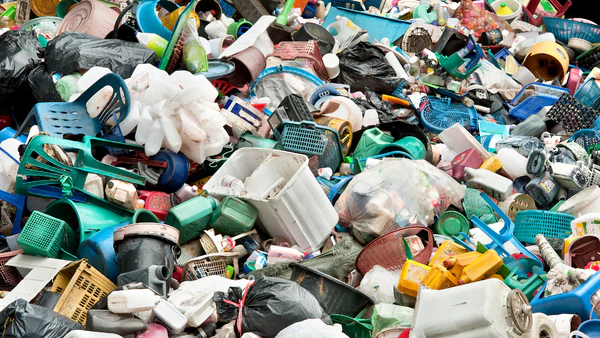
Black Bin: Non-recyclable waste (e.g., contaminated plastics, nappies).
Note
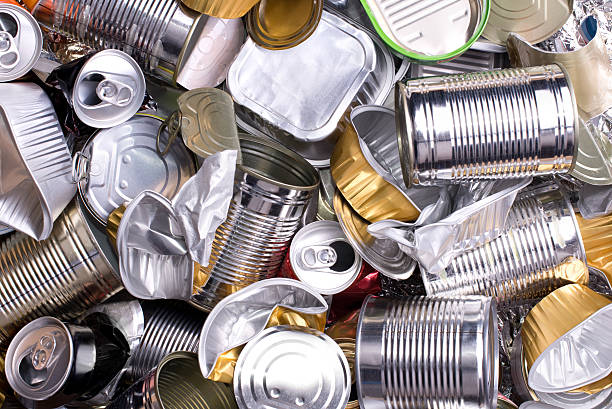
Green Bin: Recyclables (e.g., paper, plastic bottles, aluminium cans).
Note
Brown Bin: Organic waste (e.g., food scraps, plant material).
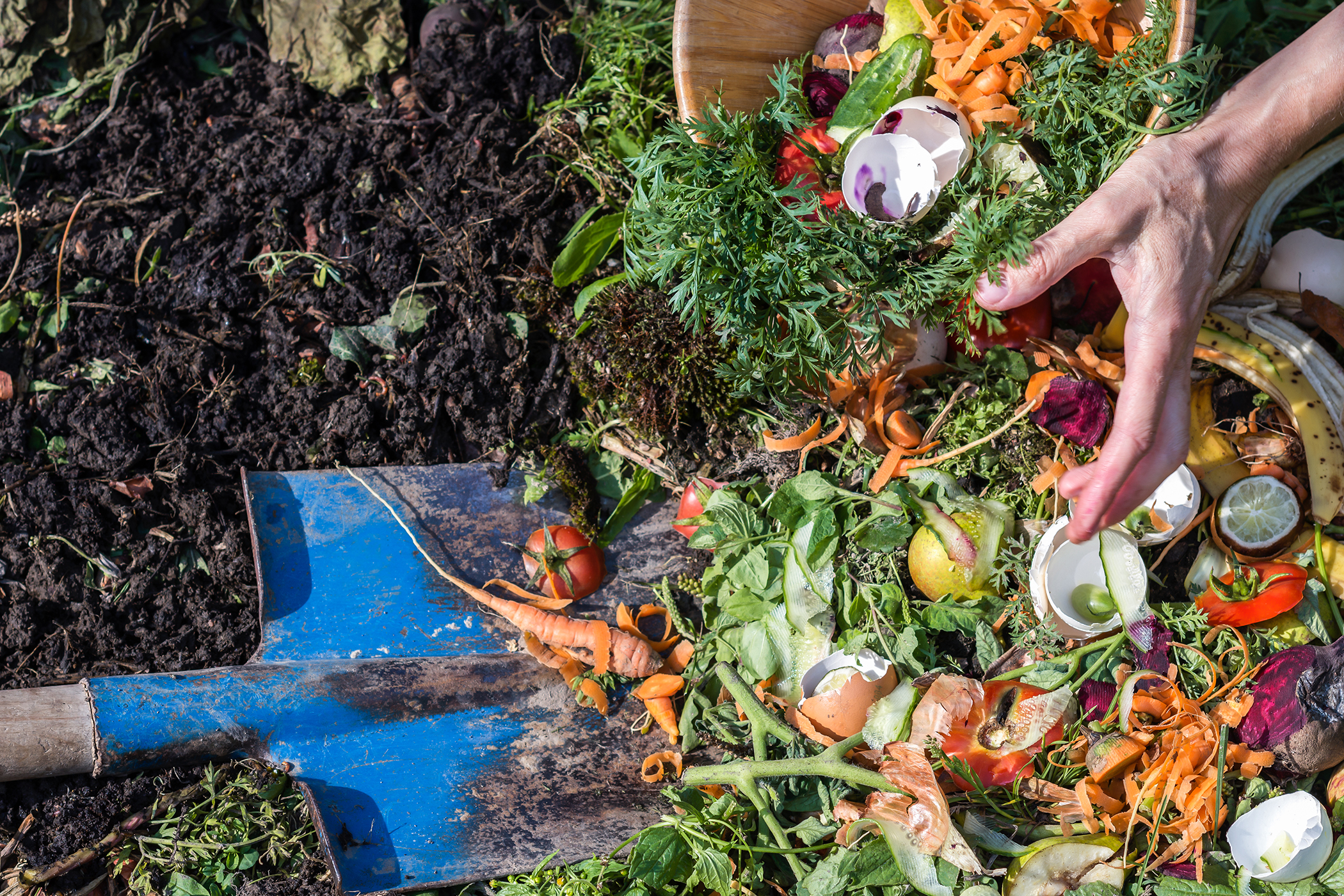
Composting
- Composting breaks down organic matter (e.g., vegetable peelings, grass clippings) into nutrient-rich compost for plants.
- Use only plant-based materials for effective composting.