Time Signatures (Junior Cert Music): Revision Notes
📚Revision Notes
Time Signatures
Note
A bar is a small segment of music that holds a certain number of beats. A time signature indicates the metre of a piece of music. It tells us how many pulses there are in each pattern.
What is a Time Signature?
- A time signature indicates the metre of a piece of music.
- It tells us how many pulses there are in each pattern.
- It is found at the beginning of a piece of music.
- It looks like two numbers stacked on top of each other.
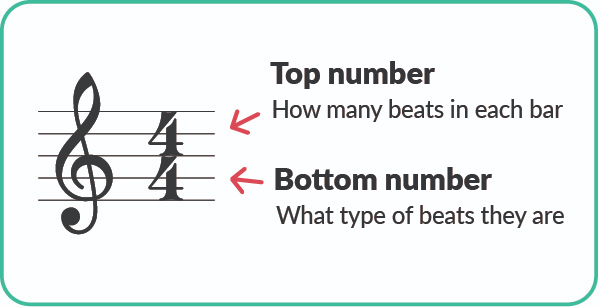
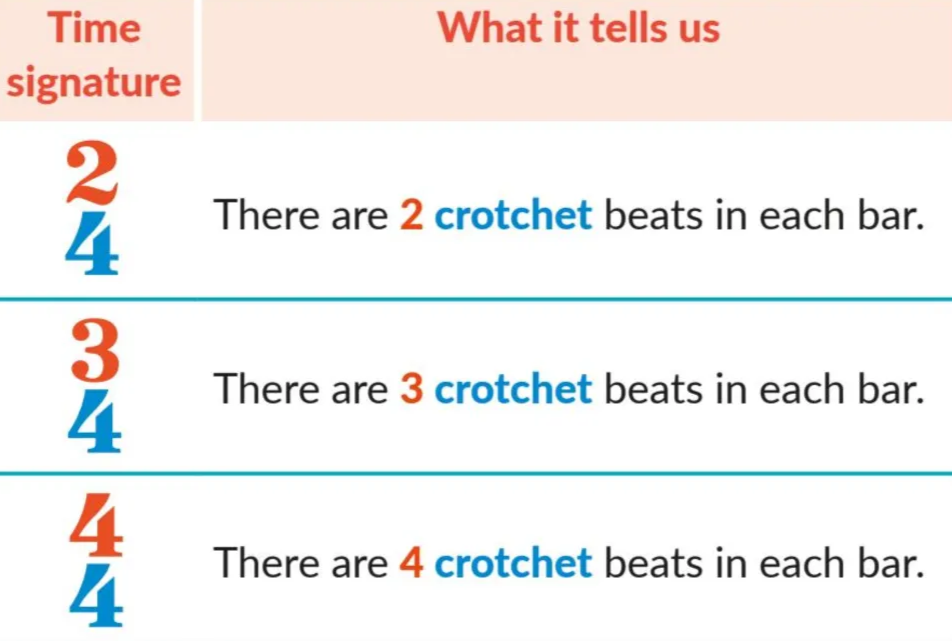
- The top number tells us how many beats are in a bar.
- The bottom number shows what type of beats they are.
Understanding the Numbers
- Top Number = Number of beats in each bar.
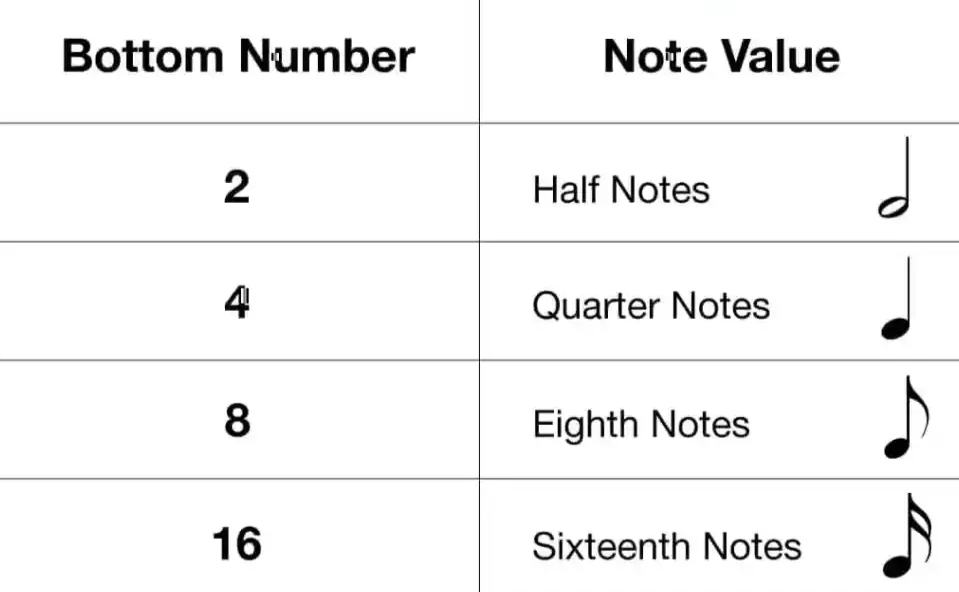
- Bottom Number = Type of beat (e.g., 4 = crotchet, 8 = quaver).
Feeling the Pulse
- The pulse is the steady beat in music.
- To find the time signature, tap along and count how many beats are in each bar.
- Example: 🎵 "Sustain" by Luz – tap along and count 1, 2, 3, 4 (4/4 time).
Time Signatures and their Uses
2/4 (March Time)
- In 2/4, there are two beats in each pattern.
- A strong beat is heard every two beats.
- Clap the pattern, making the first beat louder each time. | Strong | Weak | |---|---| | 1 | 2 |
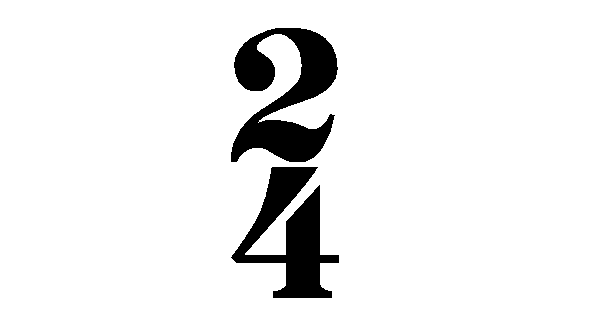
- Style of music: Marching band music.
- Baa Baa Black Sheep
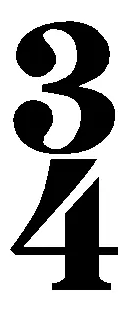
3/4 (Waltz Time)
-
In 3/4, there are three beats in each pattern.
-
A strong beat is heard every three beats.
-
Clap the pattern, making the first beat louder each time. | Strong | Weak | Weak | |---|---|---| | 1 | 2 | 3 |
-
Style of music: Waltzes, some folk music.
-
"The Blue Danube" – Johann Strauss II
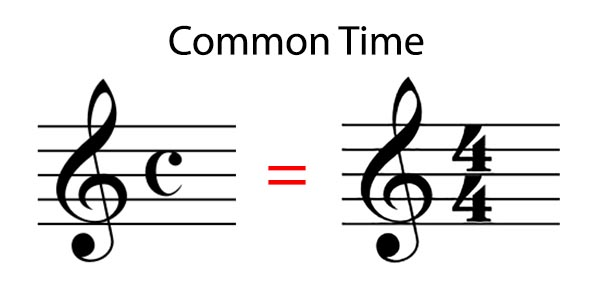
4/4 (Common Time)
-
In 4/4, there are four beats in each pattern.
-
A strong beat is heard every four beats.
-
Clap the pattern, making the first beat louder each time. | Strong | Weak | Weak | Weak | |---|---|---|---| | 1 | 2 | 3 | 4 |
-
Style of music: Most pop, rock, and classical music
-
"Billie Jean" – Michael Jackson
-
It is also known as common time.

Note
Irregular metres are time signatures where the top number does not divide evenly by 2, 3, or 4. This gives the music an uneven or unpredictable feel.
Simple vs. Compound Time
- Simple Time: Each beat divides into 2 equal parts. The beat is usually a crotchet. Examples include 2/4, 3/4, and 4/4.
- Compound Time: Each beat divides into 3 equal parts. Each beat is a dotted note. Examples include 6/8, 9/8, and 12/8.
Note
Key Points:
- Time signatures tell us how many beats are in a bar and what note value represents one beat.
- 4/4 is the most common, 3/4 is for waltzes, and 6/8 is for compound rhythms like jigs.
- Simple time divides beats into 2 parts, while compound time divides beats into 3 parts.