Reactions Between Acids and Bases (Junior Cert Science): Revision Notes
📚Revision Notes
Reactions Between Acids and Bases
Common laboratory acids
In school science laboratories, we work with two main acids that are both classified as strong acids. These are hydrochloric acid and sulfuric acid. Understanding these substances is essential for safe laboratory work and for learning about chemical reactions.
Hydrochloric acid has the chemical formula . This acid is commonly used in various laboratory experiments and industrial processes. When dissolved in water, it forms a highly acidic solution.
Sulfuric acid has the chemical formula . Like hydrochloric acid, it is a strong acid that dissolves readily in water to create very acidic solutions.
Note
Both of these acids are strong acids, which means they break apart almost completely when dissolved in water. This makes them very reactive and potentially dangerous.
Important
Safety First
Because concentrated solutions of these acids are highly acidic and corrosive, they must be handled with extreme care in the laboratory. The corrosive nature of these acids means they can cause serious burns to skin and damage to materials, which is why safety precautions are essential when working with them.
Common laboratory bases
Just as we use acids in the laboratory, we also work with bases. The two most common bases used in school laboratories are sodium hydroxide and calcium hydroxide.
Sodium hydroxide has the chemical formula . It is commonly known by its everyday name, caustic soda. This substance is a strong base, meaning it breaks up almost completely when added to water. When sodium hydroxide dissolves in water, it creates a basic (alkaline) solution. You might find caustic soda in household products used for clearing blocked drains, as it is very effective at breaking down organic materials.
Calcium hydroxide has the chemical formula . A solution of calcium hydroxide in water is called limewater. Limewater has an important use in chemistry - it is used to test for the presence of carbon dioxide gas.
Note
Testing for Carbon Dioxide
When carbon dioxide is bubbled through limewater, the limewater turns cloudy or milky white, providing a clear visual indication of the gas's presence.
Like strong acids, strong bases are also corrosive and must be handled carefully. Always ensure you wear appropriate safety equipment, including gloves and safety glasses, when handling sodium hydroxide in the laboratory.
Neutralisation reactions
When an acid and a base react together, a very important type of chemical reaction occurs. This reaction is called neutralisation. The word "neutralisation" gives us a clue about what happens - the acidic and basic properties neutralise each other.
Important
The Neutralisation Equation
The general pattern for all neutralisation reactions can be written as:
This equation tells us that whenever an acid reacts with a base, two products are always formed: a salt and water.
The substance formed during neutralisation is often neutral, meaning it is neither acidic nor basic.
Example
Worked Example: Neutralisation of Hydrochloric Acid and Sodium Hydroxide
When hydrochloric acid reacts with sodium hydroxide, the products are sodium chloride (common table salt) and water:
In this reaction:
- The hydrochloric acid and sodium hydroxide completely neutralise each other
- The products formed are salt (sodium chloride) and water
- The salt formed, sodium chloride (), is the same substance you might sprinkle on your food
Everyday examples of neutralisation
Neutralisation reactions are not just limited to chemistry laboratories - they happen in our everyday lives more often than you might think. Understanding these examples helps us appreciate the practical importance of acid-base chemistry.
Example
Worked Example: Neutralisation in Daily Life
1. Indigestion relief
Many people experience excess stomach acid, which causes discomfort and a burning sensation called heartburn. Our stomachs naturally contain hydrochloric acid to help digest food, but sometimes there is too much acid present.
Solution: People take antacid tablets or liquids. The term "antacid" literally means "against acid". These medicines contain basic substances that react with and neutralise the excess hydrochloric acid in the stomach, providing relief from discomfort.
2. Treating insect stings
Different insects inject different types of chemicals when they sting, and we can treat these stings using neutralisation.
- Bee stings: Inject acidic venom → Treat with a base such as bicarbonate of soda (baking soda)
- Wasp stings: Inject basic (alkaline) venom → Treat with an acid such as vinegar
3. Treating soil acidity
Farmers and gardeners use lime (calcium hydroxide) to neutralise acidic soil, making it more suitable for growing certain crops.
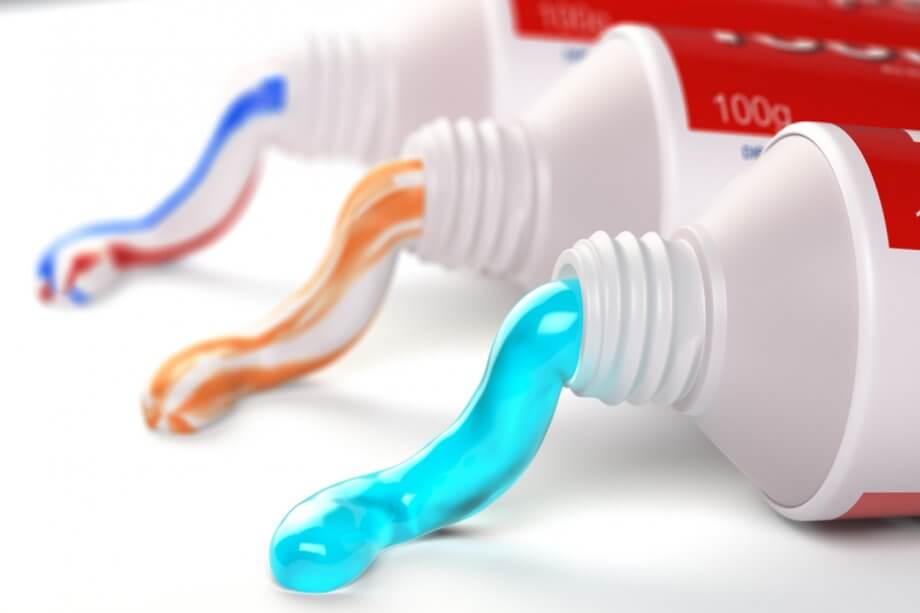
4. Toothpaste
The base in toothpaste helps neutralise acids produced by bacteria in your mouth, protecting your teeth from decay.
These examples show how the chemistry you learn in the classroom relates directly to solving real-world problems.
Preparing salts through titration
To prepare a pure sample of salt, chemists use a precise laboratory technique called titration. This method allows us to measure exactly the right amounts of acid and base needed so they completely neutralise each other, leaving only salt and water.
The key to titration is accuracy. We need to add exactly the right volume of acid to completely react with a known volume of base. To know when we have added enough acid, we use a chemical called an indicator. An indicator is a substance that changes colour depending on whether the solution is acidic or basic. Common indicators include litmus, methyl orange, and universal indicator.
During a titration, we slowly add acid to a measured volume of base in a flask. The indicator, which has been added to the base, shows us when neutralisation is complete by changing colour. The acid is added carefully drop by drop from a piece of equipment called a burette, which allows very precise volume measurements.
Note
Essential Steps in Performing a Titration:
- A measured volume of the base (such as sodium hydroxide solution) is placed in a conical flask using a pipette
- A few drops of indicator are added to the base solution
- The acid (such as hydrochloric acid) is slowly added from a burette
- The acid is added carefully until the indicator changes colour, showing that neutralisation is complete
- The volume of acid used is recorded from the burette reading
- The experiment can be repeated with the same volumes but without indicator to prepare pure salt
After the neutralisation is complete, we can obtain solid salt crystals by evaporating the water from the salt solution. This method produces very pure salt because we used exactly the right proportions of acid and base.
Important
Reading the Meniscus
When reading volumes from a burette or measuring cylinder, always read from the bottom of the curved liquid surface, called the meniscus. This ensures accurate measurements.
Acid rain formation
While we have seen how neutralisation can be helpful, acids can also cause serious environmental problems. One of the most significant environmental issues related to acids is acid rain.
Normal rainwater is naturally slightly acidic because carbon dioxide from the air dissolves in the water droplets, forming a weak acid called carbonic acid. However, when rainwater has a pH of less than , it is classified as acid rain. This is much more acidic than normal rain.
Note
Acid rain is not a new phenomenon - it occurs naturally. However, human activities have significantly increased its frequency and severity.
Acid rain is a mixture of two main acids dissolved in water:
- Sulfuric acid ()
- Nitric acid ()
So how does acid rain form? The process begins with the burning of fossil fuels such as coal, oil, and natural gas. When these fuels are burned in power stations and other industrial facilities, they release sulfur dioxide gas () into the atmosphere. Most of the sulfur dioxide in our air comes from burning fossil fuels.
Additionally, car engines emit nitrogen oxides when they burn fuel. Cars take in nitrogen and oxygen from the air, and these gases react at the high temperatures inside the engine to form nitrogen oxides. These nitrogen oxides are released in car exhaust fumes.
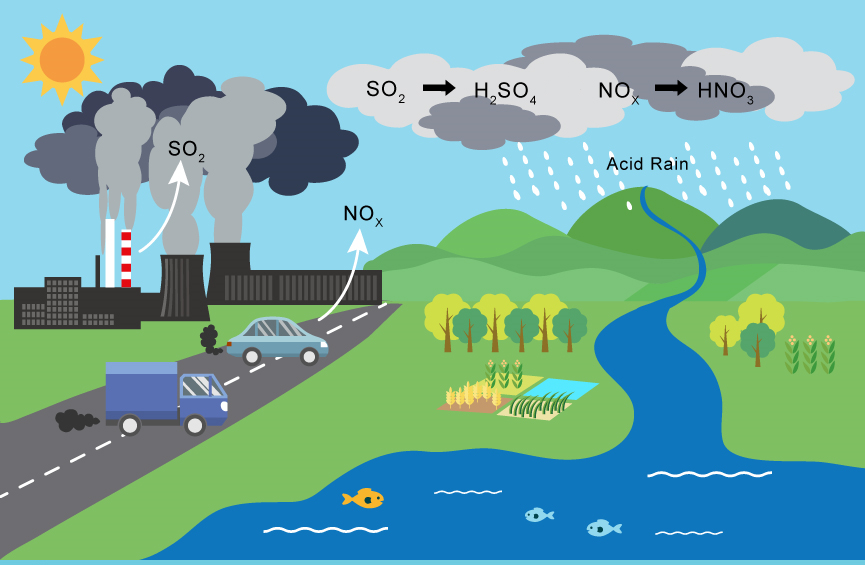
Once in the atmosphere, both sulfur dioxide and nitrogen oxides dissolve in water droplets in the clouds. When these gases dissolve, they form sulfuric acid and nitric acid. These acids then fall to Earth as acid rain, causing damage to the environment.
Effects of acid rain
The environmental impact of acid rain is severe and wide-ranging. Acid rain causes damage to both living organisms and non-living structures.
Important
Environmental Damage from Acid Rain
Acid rain has three major areas of impact:
- Aquatic ecosystems and fish populations
- Trees, plants, and soil quality
- Buildings, monuments, and historic structures
Damage to aquatic life: When acid rain falls into streams and lakes, it makes the water more acidic. This increased acidity has devastating effects on fish and other aquatic organisms. The acidic water causes large quantities of aluminium salts to wash from the surrounding soil into the water. The aluminium interferes with how the gills of fish operate, and as a result, fish die. The acidity alone is also harmful, as fish cannot survive in water that is too acidic.
Damage to trees and plants: Acid rain kills trees and damages foliage by removing essential minerals from the soil. When acid rain falls on soil, it causes important nutrients like calcium to be washed away. Without these nutrients, trees cannot grow properly. The acid also directly damages the leaves and needles of trees, causing them to die.
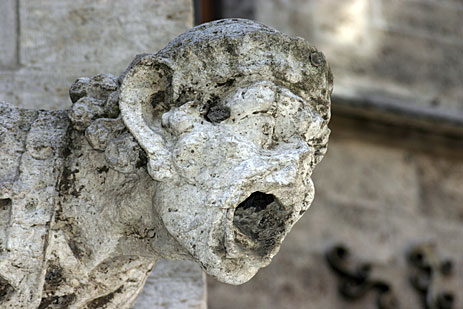
Damage to buildings and structures: Limestone and marble are common building materials used in structures, statues, and monuments around the world. Unfortunately, these materials are particularly vulnerable to acid rain. When acid rain falls on limestone, it reacts with the calcium carbonate in the limestone, causing it to wear away. Over time, this leads to significant damage.
Note
Historic buildings, statues, and monuments that have stood for hundreds or even thousands of years are being damaged at an accelerating rate due to acid rain. The acid rain causes the limestone to wear away, and in severe cases, entire features of statues or buildings can be lost.
Addressing the acid rain problem
The problems caused by acid rain are serious, but scientists, engineers, and policymakers are working on several solutions to reduce its impact.
Removing sulfur from fuels: Many countries now use techniques to remove sulfur dioxide from the emissions of power stations. Limestone, which is a base, is used to neutralise the acidic sulfur dioxide gases before they are released into the atmosphere. By removing sulfur from fuels such as oil and gas before they are burned, or by treating the emissions after burning, we can significantly reduce the amount of sulfur dioxide entering the atmosphere.
Reducing fuel content: The sulfur content of fuels has been reduced in many countries through regulations requiring cleaner fuel production.
Catalytic converters in vehicles: Cars are now fitted with devices called catalytic converters in their exhaust systems. These converters contain special catalysts that help remove nitrogen oxides from exhaust fumes before they are released into the air. This significantly reduces the amount of nitrogen oxides that contribute to acid rain formation.
Alternative energy sources: Perhaps the most comprehensive solution is to reduce our dependence on fossil fuels altogether. Efforts are being made to transition to cleaner forms of energy, such as wind power, solar energy, and hydroelectric energy. These alternative energy sources do not produce sulfur dioxide or nitrogen oxides, so they do not contribute to acid rain formation. By moving away from fossil fuels, we can address not only acid rain but also other environmental problems like climate change.
Note
Solving the acid rain problem requires action at multiple levels - from international cooperation to reduce emissions, to individual choices about energy use and transportation.
Remember!
Summary
Key Points to Remember:
-
Common acids: The two main laboratory acids are hydrochloric acid () and sulfuric acid (), both of which are corrosive strong acids.
-
Common bases: Sodium hydroxide (), also called caustic soda, and calcium hydroxide (), used to make limewater, are the common laboratory bases.
-
Neutralisation: When an acid and a base react, they neutralise each other to produce salt and water:
-
Titration: This is a precise laboratory method used to prepare pure salts by carefully measuring the exact volumes of acid and base needed for complete neutralisation.
-
Acid rain: Rainwater with a pH less than 5.5 is classified as acid rain. It contains sulfuric acid and nitric acid formed when sulfur dioxide (from burning fossil fuels) and nitrogen oxides (from car exhausts) dissolve in atmospheric water.
-
Environmental impact: Acid rain kills fish by releasing aluminium into water, damages trees by removing nutrients from soil, and erodes limestone buildings and monuments, causing irreversible damage to historic structures.