Human Reproduction (Junior Cert Science): Revision Notes
📚Revision Notes
Human Reproduction
What is reproduction?
Reproduction is the biological process that allows living things to create new individuals of their species. Without reproduction, species would become extinct over time.
Sexual reproduction is a type of reproduction where two parents are required to produce offspring. This is how humans reproduce. Each parent contributes a special cell called a gamete, which contains genetic information that will be passed to the new individual.
In human sexual reproduction:
- The female parent produces a sex cell called an egg
- The male parent produces a sex cell called sperm
- These cells are collectively called gametes or sex cells
- Both gametes must combine for a new human to develop
Note
Gametes are specialized reproductive cells that contain genetic material from each parent. Unlike other body cells, gametes carry only half the genetic information needed to create a new individual. When egg and sperm combine, they form a complete set of genetic instructions.

When an egg and sperm successfully join together, the process is called fertilisation. The egg and sperm nuclei fuse to form a single cell called a zygote. This zygote is the very first cell of a new human being and contains genetic material from both parents.
The human male reproductive system
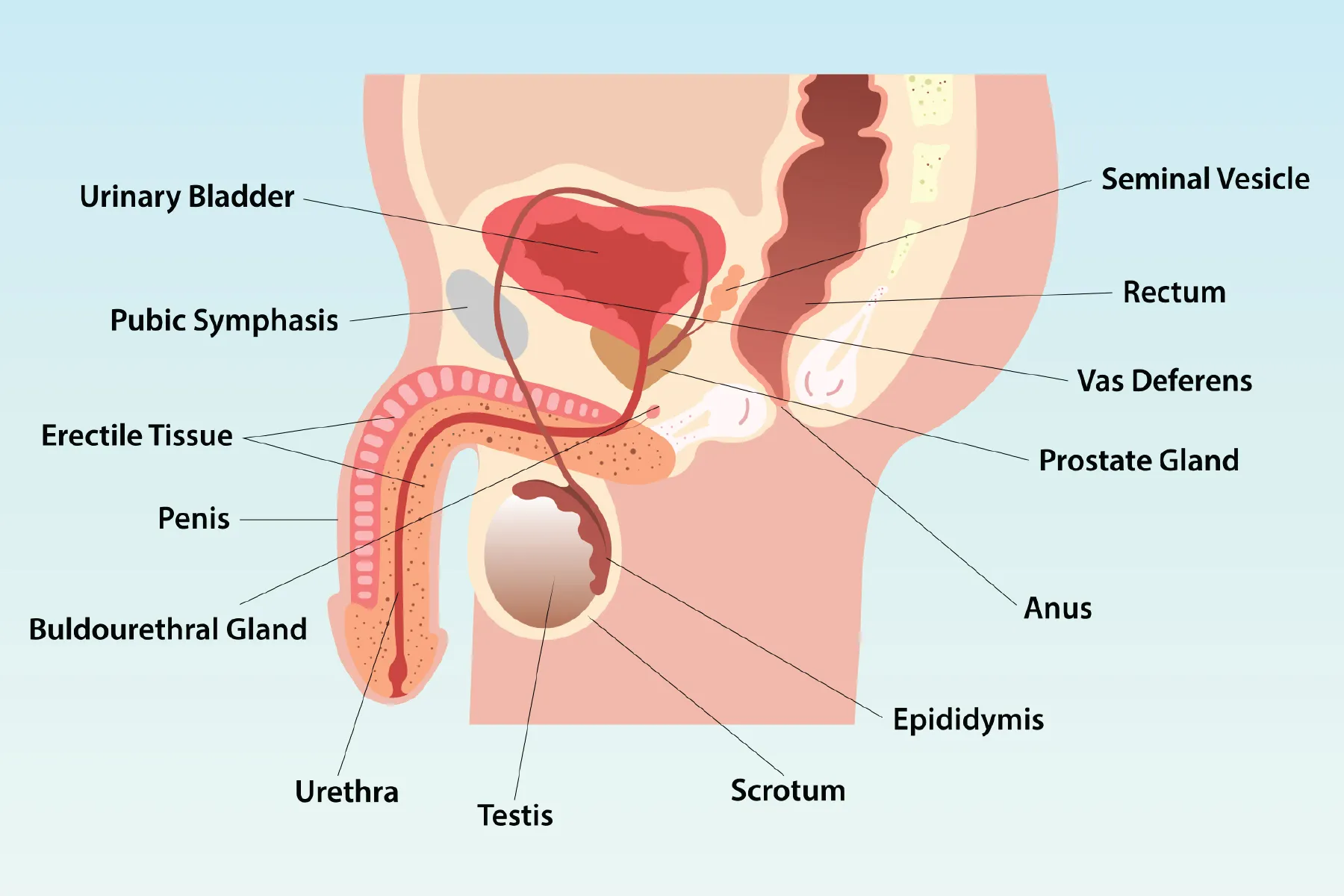
The male reproductive system consists of several organs that work together to produce sperm and deliver them to the female reproductive system.
Structure and function
The main parts of the male reproductive system include:
Testes - These are the male reproductive organs where sperm cells are produced. The testes also produce the hormone testosterone, which controls male characteristics and sexual development. The testes are held in a pouch of skin called the scrotum, which protects them and keeps them at the correct temperature for sperm production.
Important
The testes must be kept at a temperature slightly lower than normal body temperature for proper sperm production. This is why they are located outside the body in the scrotum, which can regulate their temperature effectively.
Sperm ducts - These tubes carry sperm from the testes to the urethra in the penis. The sperm travel through these ducts during ejaculation.
Prostate gland and seminal vesicles - These glands produce a fluid called seminal fluid. This fluid mixes with sperm to form semen, which nourishes the sperm and helps them move.
Urethra - This tube runs through the penis and carries semen from the body during ejaculation. The urethra also carries urine from the bladder, but not at the same time as semen.
Penis - This organ is placed in the vagina during sexual intercourse. The foreskin is a protective layer of skin that covers the end of the penis.
Puberty in boys
Puberty is the period when changes occur in a young person's body, preparing them for reproduction. During puberty in boys, several changes happen:
- Production of sperm begins in the testes
- Development of sex organs occurs
- Growth of body and facial hair increases
- The voice becomes deeper
- The male hormone testosterone controls these changes and male characteristics
Note
Testosterone is the primary male sex hormone responsible for the physical changes that occur during puberty. These changes typically begin between ages 9 and 14, though timing varies for each individual.
The human female reproductive system
The female reproductive system produces eggs and provides the environment where a baby can develop during pregnancy.

Structure and function
The main parts of the female reproductive system include:
Ovaries - These are the female reproductive organs. A woman has two ovaries, one on each side. The ovaries produce and release eggs (also called ova). They also produce female hormones, including oestrogen, which controls female characteristics.
Fallopian tubes - These tubes connect the ovaries to the uterus. When an egg is released from an ovary, it travels through the fallopian tube. This is where fertilisation occurs - where the sperm meets and joins with the egg.
Important
Fertilisation takes place in the fallopian tube, not in the uterus or ovary. This is a crucial concept to remember, as the egg must meet the sperm while traveling through the fallopian tube for successful fertilisation to occur.
Uterus (womb) - This is a muscular organ where a baby grows and develops during pregnancy. The lining of the uterus thickens each month to prepare for a possible pregnancy.
Cervix - This is a narrow passage between the uterus and vagina. During birth, it widens to allow the baby to pass through.
Vagina - This muscular tube connects the cervix to the outside of the body. During sexual intercourse, the penis is placed in the vagina. It is also called the birth canal because the baby passes through it during birth.
Puberty in girls
During puberty in girls, several changes occur:
- Production of eggs begins
- Development of sex organs
- Widening of hips
- Growth of underarm and pubic hair
- The menstrual cycle begins
- The hormone oestrogen controls these female characteristics
The menstrual cycle
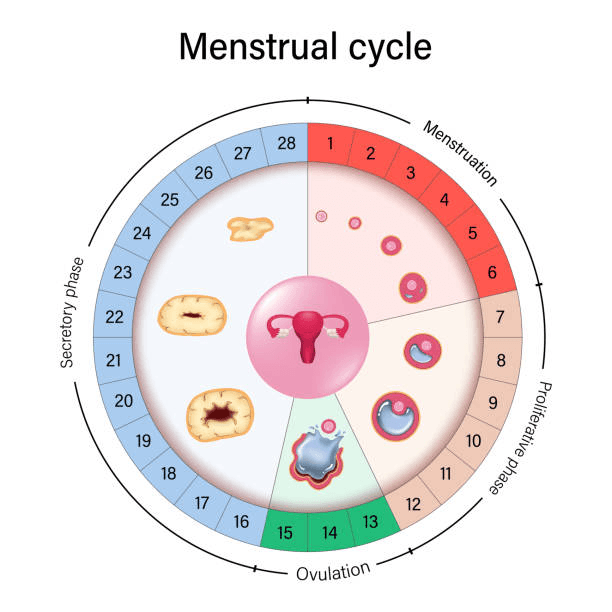
The word "menstrual" comes from the Latin word "mensis", which means month. The menstrual cycle is a monthly process of changes in the female body that prepares it for the possibility of pregnancy.
Key features of the menstrual cycle
The cycle typically lasts about days, although this can vary between individuals. Two important events occur during this cycle:
Ovulation - This is when an egg is released from one of the ovaries into the fallopian tube. Ovulation usually happens around day 14 of the cycle.
Menstruation - This is the process where blood and tissue that has built up in the lining of the uterus breaks down and leaves the body through the vagina. This is commonly known as having a period.
Important
The menstrual cycle is a carefully coordinated process controlled by hormones. While the average cycle is 28 days, cycles between 21 and 35 days are considered normal. Understanding this cycle is essential for comprehending human reproduction and fertility.
How the cycle works
The menstrual cycle involves several stages:
Days 1-5: Menstruation - The cycle begins with menstruation. The lining of the uterus, which built up during the previous cycle, is not needed (because pregnancy did not occur) and breaks down. This tissue and blood pass out of the body through the vagina.
Days 6-13: Uterus lining builds up - After menstruation ends, the lining of the uterus begins to grow and thicken again. Meanwhile, an egg develops and matures in one of the ovaries. This prepares the body for a possible pregnancy.
Day 14: Ovulation - Around the middle of the cycle, an egg is released from the ovary. This process is called ovulation. The egg then enters the fallopian tube.
Days 15-28: Uterus lining continues to thicken - If the egg is not fertilised, the lining of the uterus continues to thicken but is not needed. Eventually, it will break down and the cycle starts again with menstruation.
Note
If an egg is fertilised during this cycle, the lining of the uterus is retained to support the developing embryo, and menstruation does not occur. This is one of the earliest signs of pregnancy.
Example
Worked Example: Tracking the Menstrual Cycle
Let's follow one complete menstrual cycle:
- Day 1: First day of menstruation begins
- Days 1-5: Menstruation occurs (period)
- Days 6-13: Uterus lining rebuilds and thickens; egg matures in ovary
- Day 14: Ovulation occurs - egg is released into fallopian tube
- Days 15-28: Uterus lining continues to thicken
- Day 28/Next Day 1: If no pregnancy, cycle restarts with menstruation
This cycle repeats approximately every 28 days throughout a woman's reproductive years.
The fertile period
The fertile period is the time during the menstrual cycle when fertilisation can occur and a woman can become pregnant. Understanding this period is important for understanding reproduction.
When can fertilisation occur?
For fertilisation to happen, both an egg and sperm must be present in the fallopian tube at the same time. Several factors affect when this can occur:
- An egg is usually released around day 14 of the menstrual cycle
- The egg can survive for 24 to 48 hours after release
- Sperm can survive in the female reproductive system for up to 72 hours
- This means that sexual intercourse happening even 2 days before the egg is released could still result in fertilisation
Important
The fertile period typically occurs from approximately day 11 to day 17 of the female cycle. This is the time when fertilisation leading to pregnancy can occur. This window exists because sperm can survive in the female reproductive system for up to 72 hours, meaning they can be waiting when the egg is released.
Therefore, the fertile period typically occurs from approximately day to day of the female cycle. This is the time when fertilisation leading to pregnancy can occur.
Sexual intercourse and fertilisation
For reproduction to occur, sexual intercourse needs to take place, which allows sperm to be delivered to the female reproductive system.
The process of sexual intercourse
During sexual intercourse:
- The penis becomes stimulated and fills with extra blood, making it hard and erect
- The vagina becomes stimulated and produces fluid, which moistens it
- The penis is then placed in the vagina
- Further stimulation of the penis leads to ejaculation, which means that semen (containing millions of sperm) is released from the penis into the vagina
The journey of sperm to the egg
Once sperm enters the female reproductive system, it moves up towards the egg in the fallopian tube. When a sperm reaches the egg, both cells join together in a process called fertilisation. The resulting cell is called a zygote.
Important
Exam Tip: It is important to remember that fertilisation happens in one of the fallopian tubes, not in the uterus or ovary. This is a common exam question that students often get wrong.
Implantation and the development of the baby
After fertilisation occurs, the new cell begins an amazing journey of growth and development that will eventually result in a baby.

From zygote to embryo
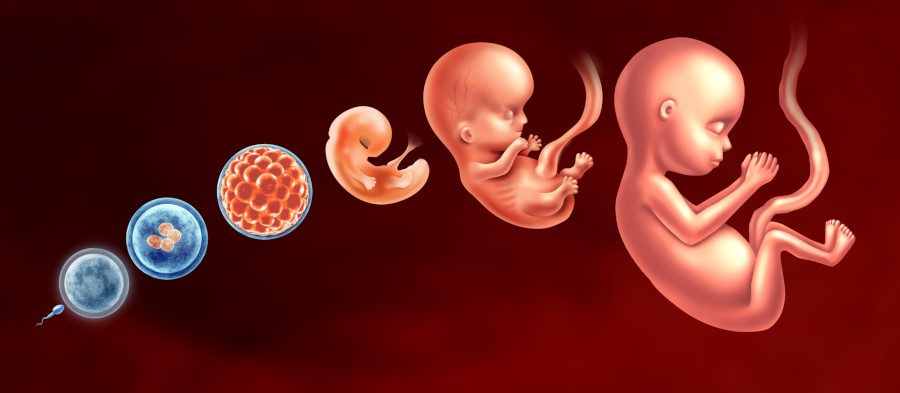
Once fertilisation happens and the zygote is formed, it immediately begins to divide through cell division. The single cell divides into two cells, then four, then eight, and so on. Soon it becomes a ball of many cells.
The developing ball of cells travels down the fallopian tube towards the uterus. This journey takes about a week. Once it arrives in the uterus, it attaches to the lining of the uterus wall. This process is called implantation. The tissue that has built up in the lining provides a place for the developing baby to embed and grow.
Important
Implantation is a critical step in pregnancy. The fertilised egg must successfully attach to the uterus lining for pregnancy to continue. If implantation does not occur, the pregnancy cannot develop and the cells will be shed during menstruation.
During the first nine weeks of pregnancy, the developing baby is called an embryo. This is the name given to the baby during its earliest stage of development.
From embryo to foetus
After about nine weeks of pregnancy, when basic body structures have started to develop, the embryo becomes known as a foetus. This is the name given to the baby after the ninth week of pregnancy, and it continues to be called a foetus until it is born.
Note
The terms "embryo" and "foetus" mark different stages of development:
- Embryo: Weeks 1-9 of pregnancy (early development stage)
- Foetus: Week 9 until birth (continued growth and development stage)
Protection and nourishment in the uterus
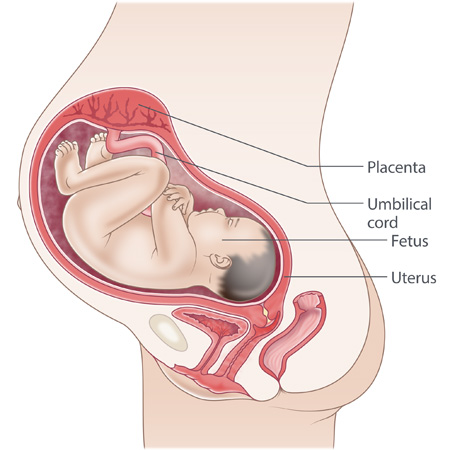
The developing baby is protected and nourished in several important ways:
Amniotic fluid - The baby is surrounded by a special fluid contained in a skin-like membrane called the amnion. This amniotic fluid acts as a cushion, protecting the baby from bumps and injury. The fluid also allows the baby to move freely as it develops.
The placenta - This remarkable organ fully develops by around week 12 of pregnancy. The placenta is a mass of tissue that passes nutrients and oxygen from the mother's blood to the baby. It also removes waste products such as carbon dioxide from the baby and passes them back into the mother's blood for removal. Importantly, the blood of the mother and baby do not mix directly - substances pass between them through the placenta wall.
The umbilical cord - This vital cord connects the baby to the placenta. Blood vessels in the umbilical cord carry oxygen and nutrients to the baby and carry waste products away.
Note
The placenta is an incredible temporary organ that functions as the baby's life support system. It performs the roles of lungs (oxygen exchange), digestive system (nutrient transfer), and kidneys (waste removal) until the baby is born and can perform these functions independently.
The baby continues to grow and develop in the uterus until around week 40, when he or she will be ready to be born. Throughout this time, the uterus wall protects and supports the growing baby.
Birth
After approximately weeks of pregnancy, the baby is ready to be born. There are three main stages in the process of birth: labour, birth, and removal of the placenta.
Labour
During labour, several changes occur to prepare for birth:
- The birth canal (vagina) gets wider to allow the baby to pass through
- The amniotic fluid flows out through the vagina (this is often called "the waters breaking")
- Powerful contractions of the muscles in the uterus begin
- These contractions push the baby further down the uterus
- The cervix (the opening between the uterus and vagina) gradually widens
Birth
The muscles of the uterus continue to contract strongly, and the baby is pushed through the birth canal to the outside world. Usually, the baby's head emerges first, followed by the rest of the body.
Removal of the placenta
After the baby is born, the placenta (sometimes called the afterbirth) is pushed out of the uterus. This completes the birth process.
Note
Labour can last anywhere from a few hours to over 24 hours, especially for first-time mothers. The contractions gradually become stronger and more frequent as labour progresses, helping to push the baby through the birth canal.
Contraception
Contraception refers to methods used to prevent pregnancy. There are two main types: natural contraception and artificial contraception.
What is contraception?
Contraception prevents pregnancy by either:
- Preventing fertilisation (stopping the sperm from meeting the egg), or
- Preventing implantation (stopping the fertilised egg from attaching to the uterus lining)
Understanding when pregnancy is likely to occur (during the fertile period of the menstrual cycle) helps inform contraceptive choices.
Artificial contraception
Artificial contraception involves using devices or medications to prevent pregnancy:
The condom - This is a sheath (covering) made of thin material that is placed over the penis before sexual intercourse. It collects sperm after ejaculation, preventing the sperm from entering the female reproductive system. Therefore, fertilisation cannot occur. Condoms also help protect against sexually transmitted infections.
Note
Condoms are the only form of contraception that also provide protection against sexually transmitted infections (STIs). This makes them an important choice for sexual health beyond just preventing pregnancy.
The contraceptive pill - This pill contains hormones that prevent ovulation from occurring each month. If no egg is released from the ovary, then fertilisation cannot occur even if sperm is present. The pill must be taken regularly (usually daily) to be effective.
Important
The contraceptive pill must be taken at approximately the same time each day to maintain its effectiveness. Missing doses can reduce its ability to prevent ovulation and therefore increase the chance of pregnancy.
Natural contraception
Natural contraception is based on understanding the timing of the menstrual cycle. By knowing when the fertile period occurs (approximately days 11 to 17), couples can avoid sexual intercourse during this time, which reduces the chance of fertilisation and pregnancy.
Note
Natural contraception methods require careful tracking of the menstrual cycle and are generally less reliable than artificial methods because cycle lengths can vary from month to month and ovulation timing can be unpredictable.
In vitro fertilisation (IVF)
For various reasons, some couples may not be able to achieve pregnancy naturally. For example, sometimes the fallopian tubes may be blocked, preventing sperm from reaching the egg. In such cases, a medical procedure called in vitro fertilisation (IVF) may help.
What does in vitro mean?
The term "in vitro" means "in glass". This name was given to this method of fertilisation because the fertilisation of the egg and sperm usually happens in a glass Petri dish in a laboratory, rather than inside the woman's body.
The IVF process
The following is a simplified description of in vitro fertilisation:
- Eggs are removed from the woman's ovary using a special procedure
- The eggs are placed in a Petri dish with special nutrients that help them survive
- Sperm are obtained from the man and added to the eggs
- When the eggs have been fertilised, they are left in the nutrients to develop into embryos
- Some of the embryos (usually more than one to ensure success) are then surgically transferred to the woman's uterus
- The embryos are allowed to implant in the uterus
- If the procedure is successful and the woman becomes pregnant, any surplus (extra) embryos may be frozen to be used at another time
Note
IVF has helped millions of couples worldwide achieve pregnancy since it was first successfully performed in 1978. The first "test tube baby," Louise Brown, was born in England that year, marking a revolutionary breakthrough in reproductive medicine.
IVF and ethics
Ethics is a system of principles concerned with what is good for individuals and society. Some ethical issues have arisen regarding in vitro fertilisation since it was first developed in . These include:
- What happens to the frozen embryos when they are no longer needed? Will the embryos be destroyed? Could they be donated to childless couples?
- Is it acceptable for couples to select and choose certain traits they want their baby to have?
- Will in vitro fertilisation be used to choose only embryos that don't have any genetic disorders?
- Will the excess embryos be used in stem cell research?
Important
These are important ethical questions that society continues to debate. Different countries have different laws and regulations regarding IVF, reflecting varied cultural, religious, and ethical perspectives. There are no simple answers to these questions, and they require careful consideration of individual rights, scientific benefits, and societal values.
Medical issues in human reproduction
Various medical problems can arise that affect both the male and female reproductive systems. Understanding these issues helps us appreciate the complexity of human reproduction.
Common fertility problems
| Medical issue | Symptom | Possible cause | Possible treatment |
|---|---|---|---|
| Absence of ovulation | No eggs are released from the ovary | Low hormone levels | Hormone replacement therapy |
| Low sperm count | Insufficient sperm for fertilisation to occur | Low hormone levels, alcohol abuse, smoking | Hormone replacement therapy, stop drinking and/or smoking |
Absence of ovulation - In some women, the ovaries do not release eggs regularly or at all. This is often caused by low levels of the hormones needed for ovulation. Treatment may involve hormone replacement therapy to stimulate the ovaries to release eggs.
Low sperm count - Some men produce insufficient sperm for fertilisation to occur successfully. This can be caused by low hormone levels, excessive alcohol consumption, or smoking. Treatment may include hormone replacement therapy and important lifestyle modifications such as stopping drinking alcohol and/or giving up smoking.
Note
These medical issues show how sensitive the reproductive system is to hormones and lifestyle factors. Many fertility problems can be improved or resolved through medical treatment combined with positive lifestyle changes. Early consultation with healthcare professionals can help identify and address fertility concerns effectively.
Societal issues in human reproduction
Beyond the medical aspects, there are important societal considerations regarding reproductive technology and assistance.
Assisted human reproduction (AHR)
Any method that is used to help couples become pregnant is known as assisted human reproduction (AHR). This includes treatments like IVF and hormone therapy.
AHR is usually very expensive, particularly IVF treatment. Hormone replacement therapy can also be costly. This raises several important questions that society needs to address:
- Who should pay for these treatments?
- Will only wealthy people be able to access them?
- Should governments provide financial support through their health departments to help people who want these treatments but cannot afford them?
Important
These are complex questions without simple answers. Different countries and societies approach these issues in different ways, reflecting their values and priorities. The key consideration is balancing individual needs and desires with fairness and the responsible use of limited healthcare resources.
Access to fertility treatments raises important questions about:
- Healthcare equity: Should everyone have equal access regardless of income?
- Resource allocation: How should limited healthcare funds be distributed?
- Social justice: Is infertility a medical condition that deserves the same support as other health issues?
Remember!
Summary
Key Points to Remember:
-
Sexual reproduction requires two parents (male and female) who each produce a special sex cell called a gamete - the egg from the female and sperm from the male.
-
Fertilisation occurs when a sperm joins with an egg in the fallopian tube, forming a zygote which develops into an embryo and then a foetus.
-
The menstrual cycle is a monthly cycle (approximately days) where the female body prepares for possible pregnancy through ovulation (egg release) and menstruation (shedding of the uterus lining).
-
The fertile period (around days to of the cycle) is when pregnancy is most likely to occur because both egg and sperm can be present in the fallopian tube at the same time.
-
A developing baby is protected in the uterus by amniotic fluid and receives oxygen and nutrients through the placenta and umbilical cord.
-
Contraception methods (such as condoms and the contraceptive pill) work by preventing either fertilisation or implantation, thus preventing pregnancy.
-
IVF (in vitro fertilisation) is a medical procedure that can help couples who cannot conceive naturally, but it raises important ethical and societal questions.