Artificial Defects (Junior Cert Wood Technology): Revision Notes
📚Revision Notes
Timber Artificial Defects
Overview
Artificial defects often happen after timber is harvested. They usually result from mistakes during processing and drying. Understanding their causes and how to prevent them helps keep timber quality high.
Key Terms
- Artificial Defects: These are imperfections in wood made by human activities, not nature. They appear after harvesting during processing and drying.
- Cupping: A flaw where the sides of a board bend up due to uneven drying across its width.
- Warping/Twisting: This is when a board bends because it dries unevenly along its length.
Definition and Cause of Artificial Defects
- These flaws happen post-harvest, mainly during processing and seasoning.
- Natural defects are different because they come from how the tree grows, while artificial defects result from human actions.
Types of Artificial Defects
-
Cupping: Occurs because drying shrinks the board's width unevenly, leading to gaps or uneven surfaces.
-
Warping/Twisting: Happens when drying speeds differ along a board's length, causing bending and potential strength loss.
Factors Leading to Artificial Defects
Note
- Improper Seasoning: It is essential to have steady environmental conditions to prevent defects.
- Processing Errors: Poor handling and uneven stacking can cause defects. Proper methods, like kiln drying, are crucial for consistent seasoning.
Prevention Techniques
- Controlled Seasoning: Use stable environments for even drying. Track moisture with metres.
- Proper Storage: Correctly stack and ventilate timber to stop moisture changes.
Comparison with Natural Defects
Important
- Key Differences:
- Origin and Cause: Artificial defects come from errors during processing. Natural defects result from growth, like knots and cracks.
- Mitigation: Artificial defects can be minimised by controlling how timber dries and is stored.
Effect on Timber Use
- Limited Usability: Defects like warping might weaken timber, limiting its use.
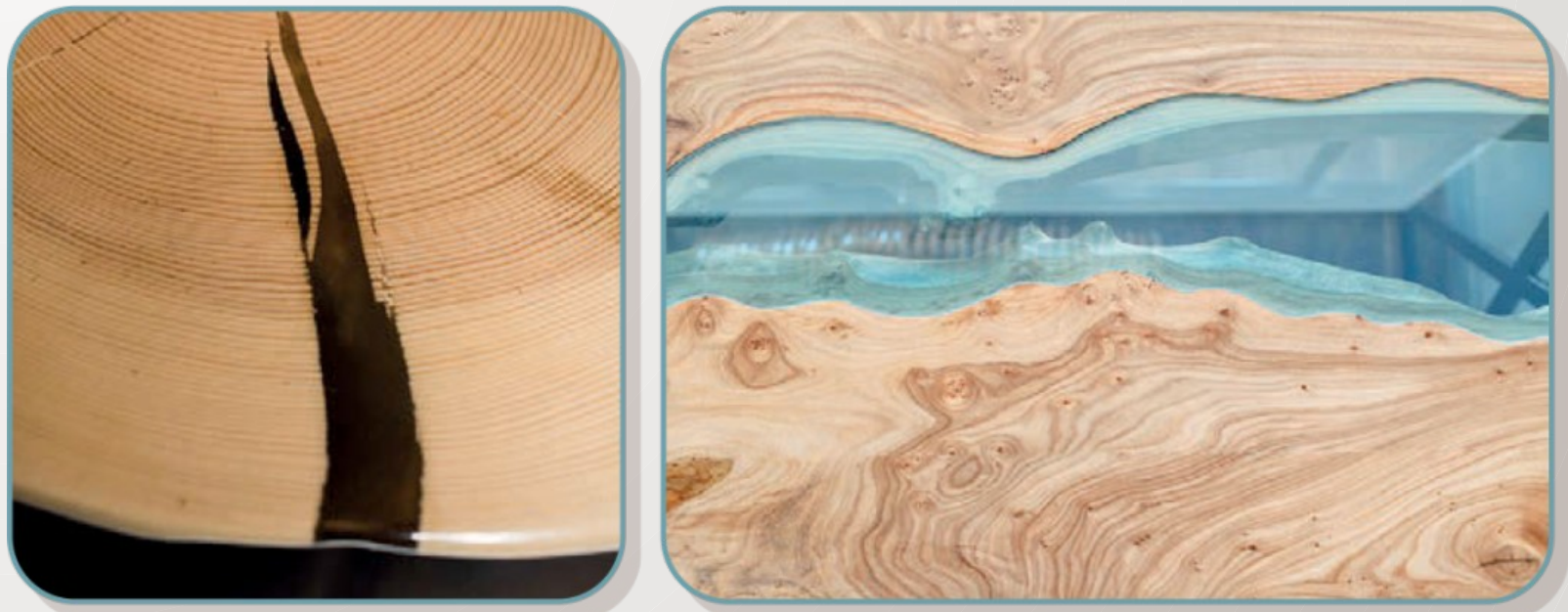
- Aesthetic Appeal: Some artists use these flaws to enhance designs and add character.
Summary
Note
- Artificial defects start after harvest.
- Main Types: Include cupping and warping due to uneven drying.
- Prevention: Use controlled drying and correct storage methods.
- Knowing how to handle these defects helps manage timber quality and inspire creative design.