Properties (Junior Cert Wood Technology): Revision Notes
📚Revision Notes
Material Properties
Material properties are characteristics that explain how materials behave in different situations. In Wood Technology, understanding these properties is crucial for selecting the right materials for various projects. This ensures that the end products are durable, safe, and effective.
Definitions
- Material Properties: Traits that describe how materials respond in different settings.
- Hardness: A material's ability to resist scratches and marks. Hardwood marks less easily than softwood.
- Strength: The maximum force a material can withstand without breaking. Includes tensile strength (pulling forces) and compressive strength (pushing forces).
- Toughness: The ability to absorb energy and deform without breaking. Crucial for items like mallets or joints.
- Absorbency: The ability to soak up and hold liquids.
- Elasticity: The ability to return to original shape after being stretched or compressed. Plastics like polypropylene are good for flexible joints.
- Plasticity: The ability to permanently change shape under load. Useful for shaping plastics in detailed wood designs.
- Waterproof: Prevents water from passing through. Seen in materials like polypropylene used for outdoor furniture.
- Insulation: The capability to block heat, sound, or electricity transfer.
- Thermal Insulation: Blocks heat. Example: Polystyrene keeps buildings warm.
- Electrical Insulation: Blocks electricity. Example: PVC is used around wires.
Key Properties of Materials
- Hardness: Hardwood resists scratches better than softwood.
- Strength: Includes tensile strength (resists being pulled apart) in cables and compressive strength (resists being crushed) in columns.
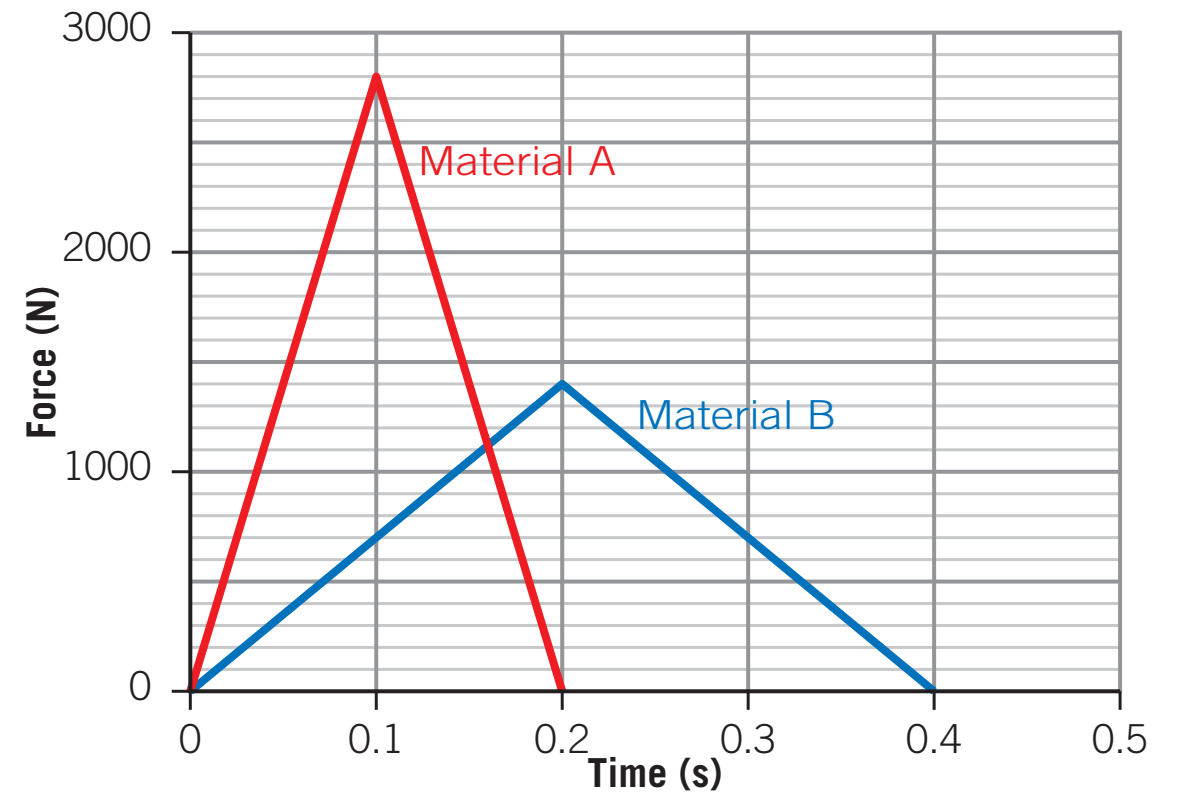
- Toughness: Tough materials handle energy before breaking. Brittle materials, like glass, break easily.
Examples of Materials Demonstrating Key Properties
- Waterproof and Insulation Properties of Plastics:
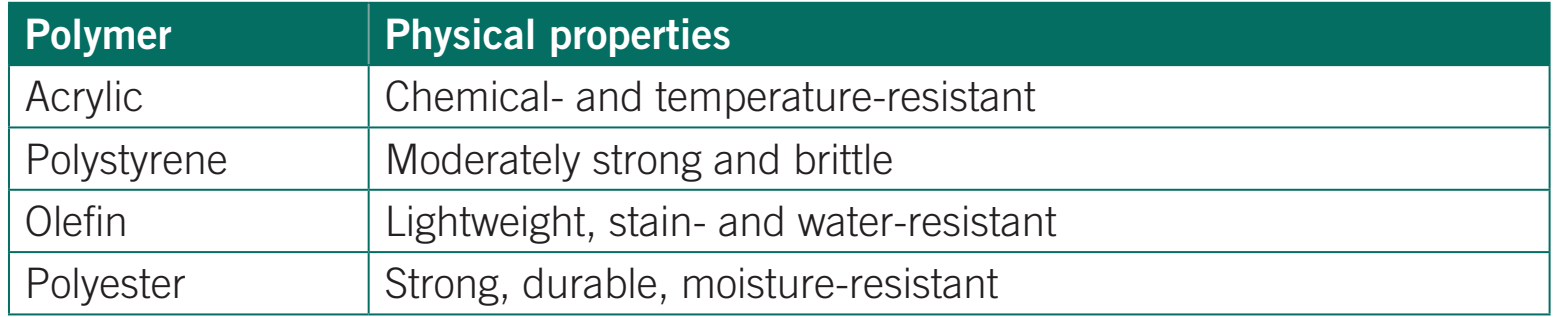
- PVC: Used for pipes and coatings due to strength and water resistance. Ideal for protecting outdoor wooden structures from moisture.
- Polystyrene: Great for keeping things insulated, used in building panels.
- Elastomers: Highly elastic, good for seals and flexible parts.
Importance of Understanding Material Properties
Important
Understanding material properties helps avoid failures and improves quality in construction and woodworking. It prevents problems like weak structures or poor performance, potential safety hazards, and function issues. Choosing materials that add strength, beauty, and longevity ensures customer satisfaction.
Note
Summary
- Understanding material properties is key in material selection.
- Hardness, strength, and insulation greatly impact product performance.
- Examples show the versatility of plastics.
- Proper understanding prevents failures and improves workmanship.