Irish Softwood Trees (Junior Cert Wood Technology): Revision Notes
📚Revision Notes
Irish Softwood Trees
This revision note focuses on Irish Softwood Trees, detailing common types, economic roles, adaptability, and how they are managed sustainably.
Definitions
- Softwood Tree: Trees that are gymnosperms and often evergreen. They produce conifer wood and grow faster than hardwoods.
- Sitka Spruce: A popular softwood in Ireland with fast growth and high yield.
- Scots Pine: A strong softwood species native to parts of Europe, including Ireland.
- Silviculture: The management of forest growth, types, and quality.
- Sustainable Management: Using forest resources to meet today's needs without harming future use.
Identifying Common Softwood Tree Species
-
Introduction to Common Species
- Softwood Trees in Ireland: Fast-growing and adapt well to different soils.
- Sitka Spruce: It grows quickly, even in poor soils, and is common in Ireland's forests.
- Scots Pine: Known for its durability and native to Ireland.
-
Visual Identification
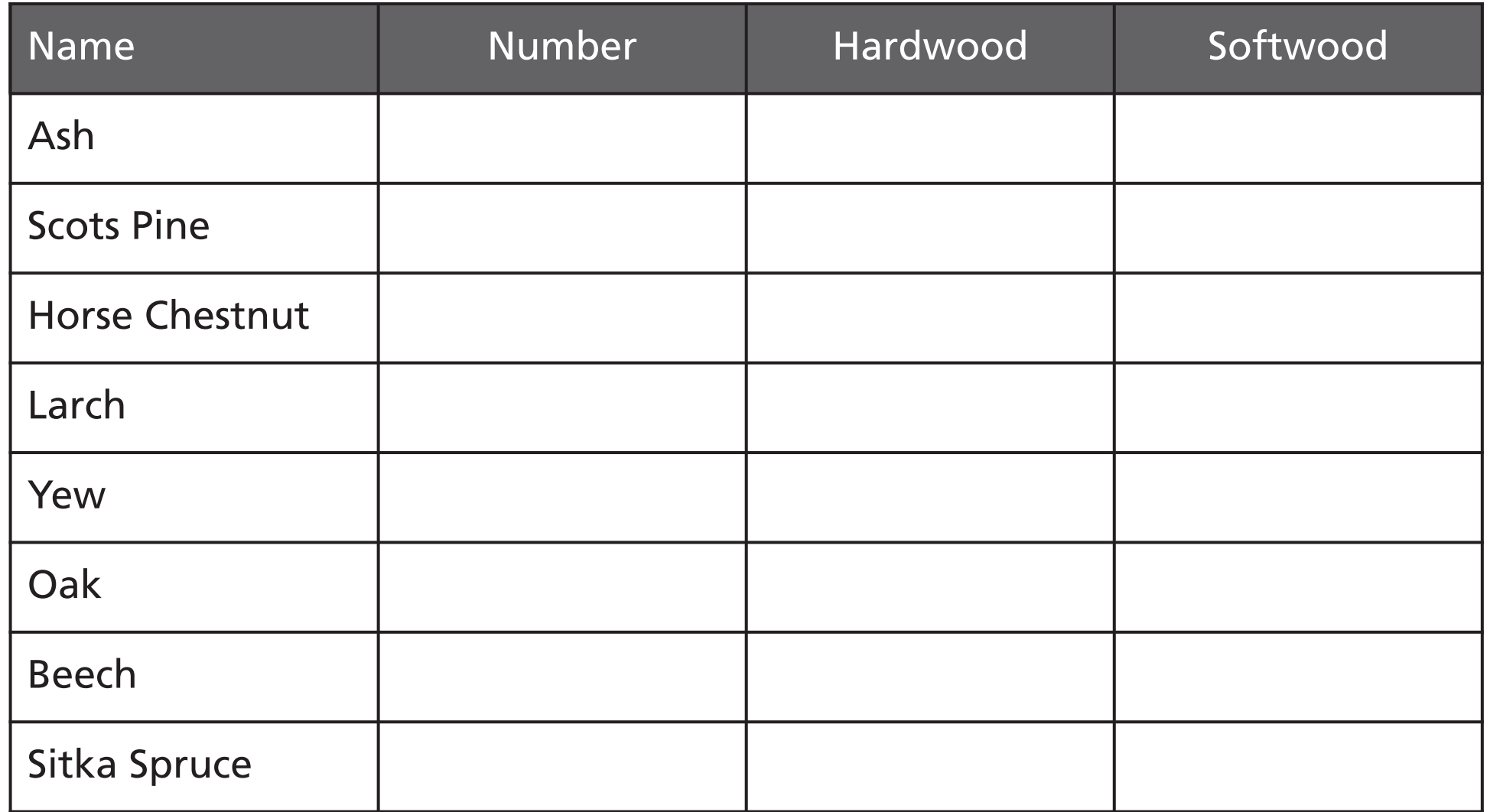
- Use pictures to recognise leaf patterns, bark texture, and tree shapes for Sitka spruce and Scots pine.
Economic Importance of Softwood Trees
-
Role in Forestry
- Sitka Spruce:
- Vital for its high yield.
- Supplies timber and jobs in rural areas.
- Provides major economic benefits through timber.
- Sitka Spruce:
-
Use in Construction
- Scots Pine:
- Used in building due to its strength and easy treatment.
- Softwoods support various industries.

- Scots Pine:
Adaptability to Ireland's Climate and Soil
-
Climatic Adaptability
- Sitka Spruce:
- Thrives in Ireland's mild climate with long growing seasons.
- Can withstand maritime weather, which helps it grow.
- Scots Pine:
- Fits well in coastal climates, thriving on sandy or less fertile soils.
- Sitka Spruce:
-
Soil Conditions
- Prefers kinds of soil that allow fast growth, even if less fertile.
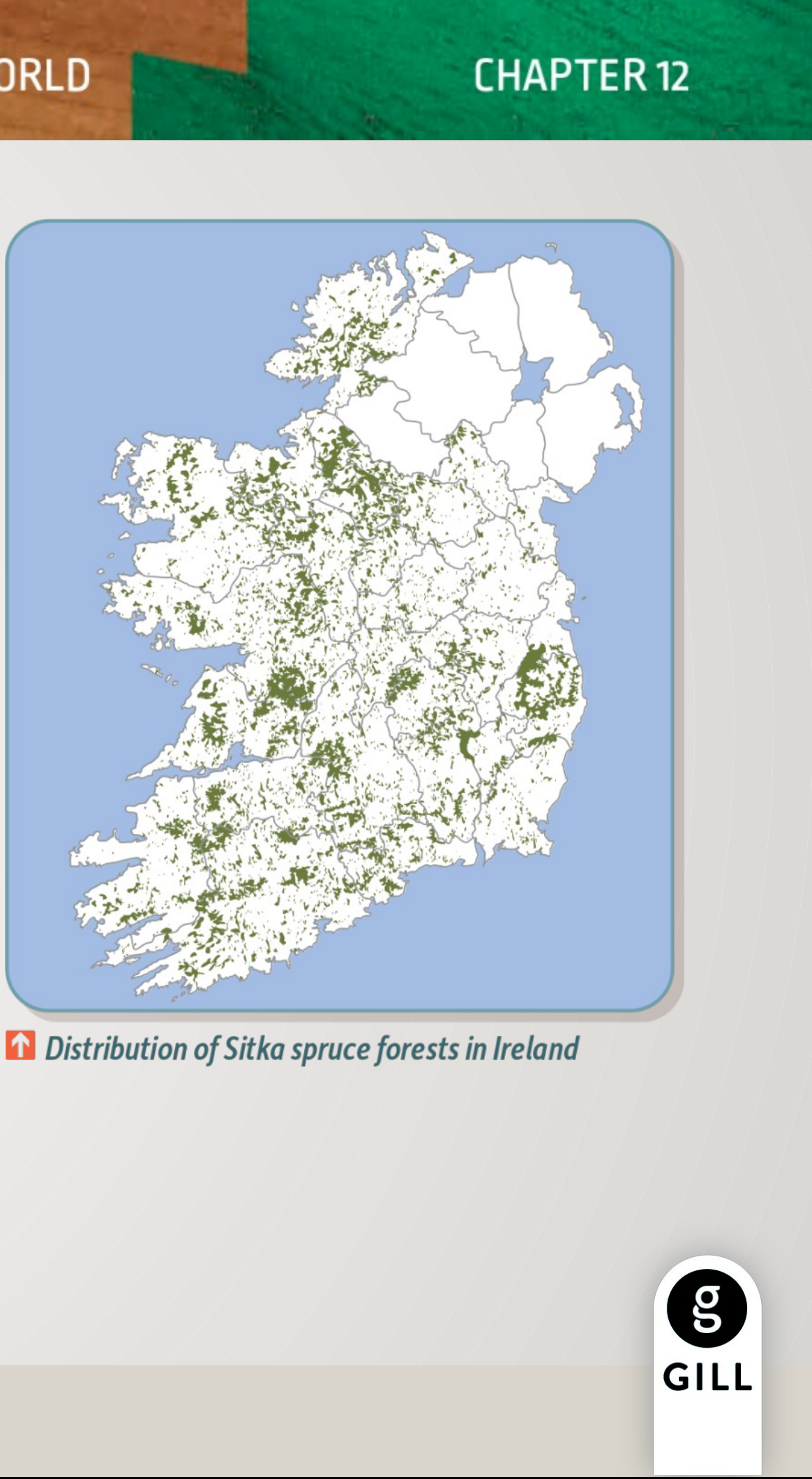
- Distribution often relates to specific soil types in Ireland, shown on this map:
Note
It is important to note that both Sitka Spruce and Scots Pine are well-suited to Ireland's varied climate and soil conditions, contributing to their wide distribution and sustainable management within Irish forestry.
Current Silvicultural Practices and Sustainable Management
-
Silvicultural Techniques
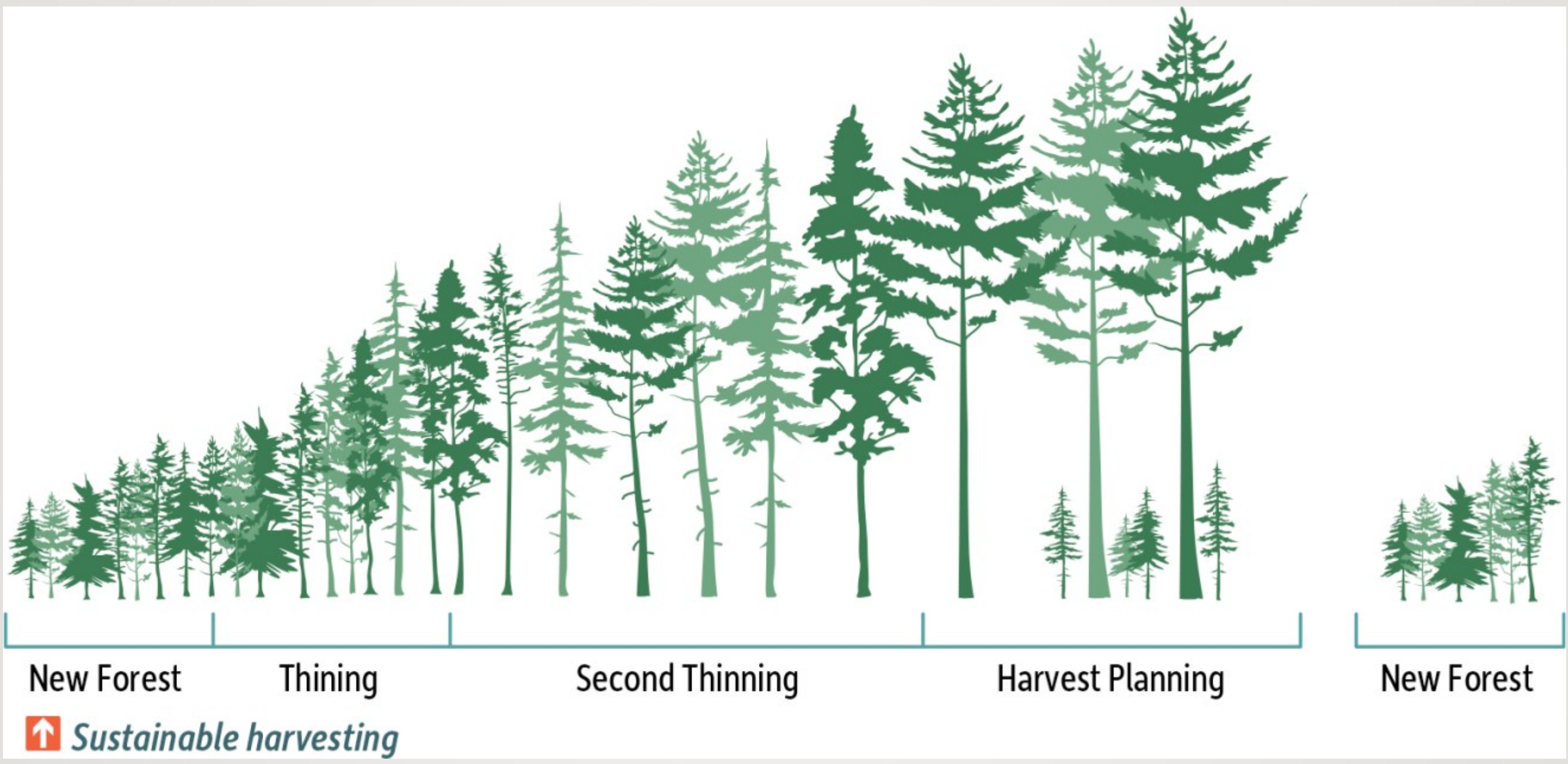
- Involves thinning and rotating to improve yield and quality.
-
Sustainability Measures
- Irish Initiatives:
- Coillte, a state body, manages many forests.
- The government encourages forest growth through funds and tips.
- Use of certified sustainable practices by groups like SFI and FSC.
- Case studies show successful practices in Ireland.
- Irish Initiatives:
Important
The adoption of sustainable practices is essential for ensuring the longevity of Ireland's forestry sector and minimising environmental impact.
Summary
Note
- Identify key traits of softwood species such as Sitka spruce and Scots pine.
- Explain their economic impact, including in construction.
- Discuss how they adapt to Ireland's climate and soils.
- Explain sustainable forest management in Ireland.