Timber Regions of the World (Junior Cert Wood Technology): Revision Notes
📚Revision Notes
Timber Production
Understanding global timber-producing regions is essential. These regions supply timber, influence markets, and impact biodiversity. This knowledge helps in practising sustainability and evaluating economic benefits globally.
Definitions
- Timber-Producing Region: Areas characterised by location, climate, and tree variety. These include tropical, temperate, and boreal zones that support extensive tree growth.
- Biodiversity: The variety of living organisms in an ecosystem, including plants, animals, and microorganisms. Conserving biodiversity is essential for healthy ecosystems and sustainable forestry.
- Sustainable Forestry: Practices include replanting trees, eco-friendly harvesting, and forest management to maintain balance.
- International Timber Market: The global network where timber is traded, affecting economies and policies worldwide.
Note
Understanding the definitions helps provide context and build foundational knowledge on timber production and sustainability.
Major Global Timber-Producing Regions
- Boreal Forests: Found in northern America, Europe, and Asia. Key trees are Pine and Spruce.
- Temperate Forests: Located in mild climate areas like North America and Europe. Common trees include Oak, Beech, and Maple.
- Tropical Forests: Rich in variety, these forests in regions like the Amazon have hardwoods such as Mahogany and Teak.
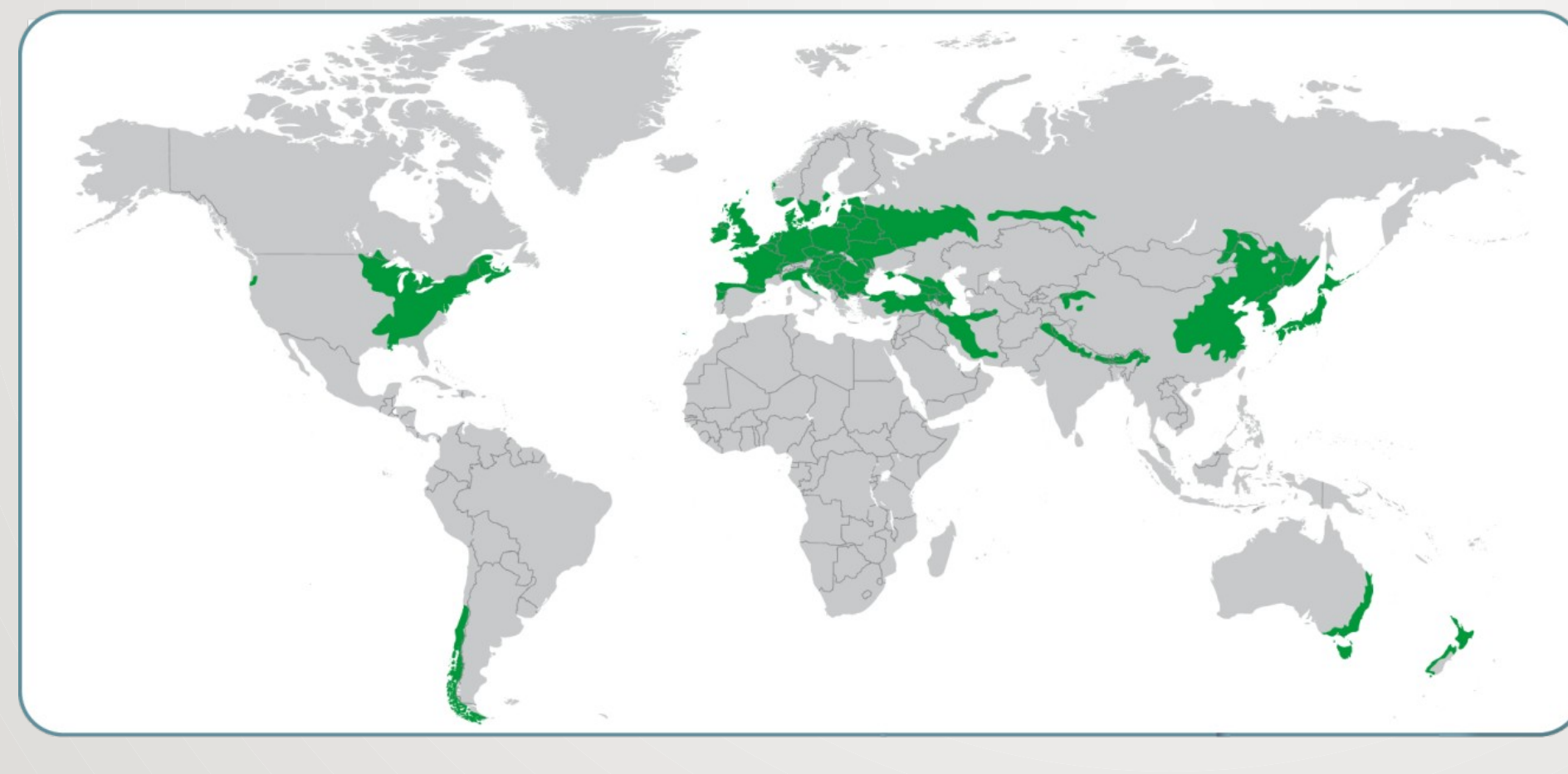
Factors Influencing Distribution and Growth
- Climate: Tropical, temperate, and boreal climates support different timber types due to temperature and rain. Boreal climates favour Spruce, while tropical climates support hardwoods.
- Soil Types: Soil fertility, pH, and nutrients impact which timber species thrive. For instance, pines may prefer acidic soils.
- Geographical Challenges and Benefits: The landscape and accessibility can help or hinder timber production and transport.
- Climographs: These show climate effects on timber growth, providing insight into weather influences.
Contribution to the International Timber Market
- Timber-exporting regions affect global economics by supplying softwoods and hardwoods, influencing jobs, export income, and trade balances. Boreal regions mainly export softwoods; tropical regions are known for hardwoods.
- Canada, for instance, significantly impacts the market with its softwood exports, boosting its global economic status.
A table with timber export data can further clarify economic contributions.
Important
It is crucial to consider how these contributions from different regions influence global economic dynamics and trade balances.
Sustainable Forestry Practices
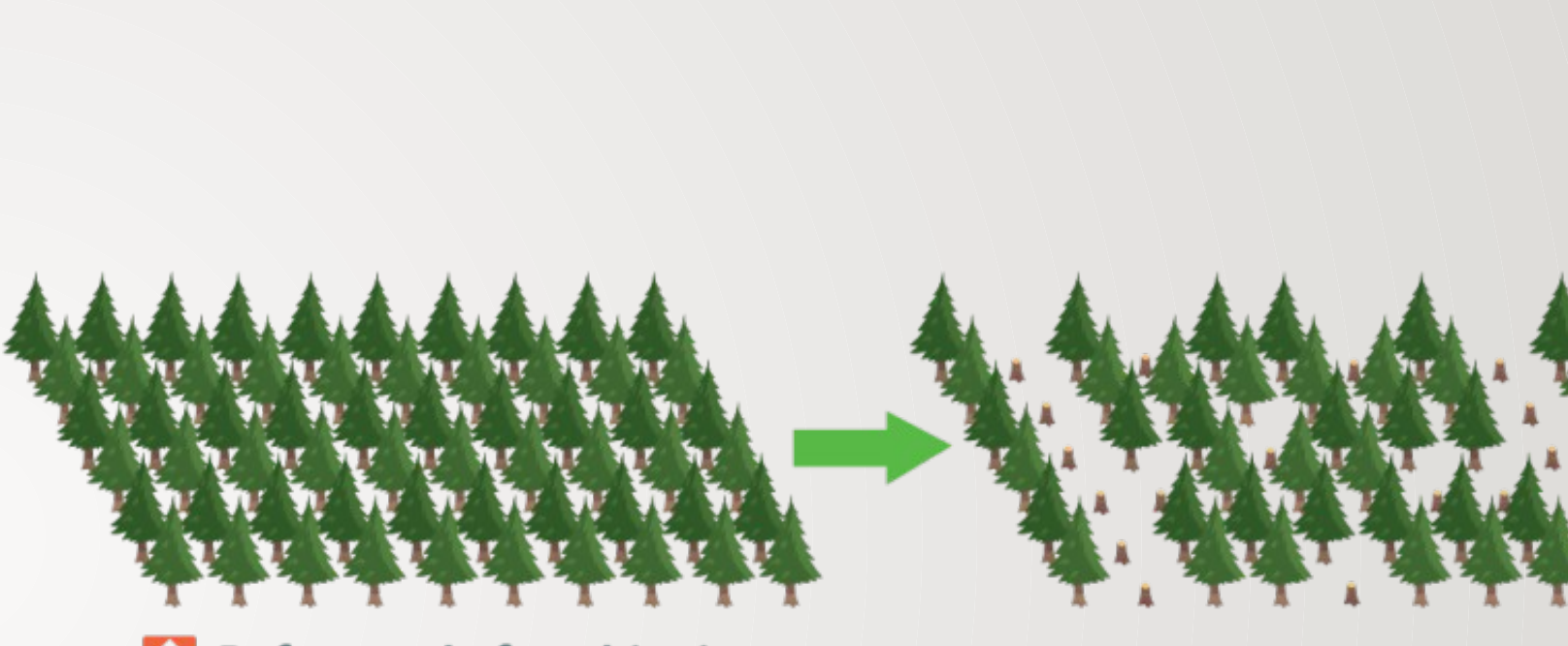
- Sustainable Practices: Planting, selective logging, and age-diverse forests ensure continuous supply, support habitats, and promote biodiversity.
- Certifications and Regulations: Organisations like FSC ensure responsible timber sourcing.
- Global Examples: Nordic countries excel in sustainable forestry, ensuring ecological health and resources.
Summary
Note
- Major timber-producing regions include boreal, temperate, and tropical forests, each with unique trees like Pine, Oak, and Mahogany.
- Climate, soil, and geography greatly affect timber growth and distribution.
- These regions are key players in the international timber market, influencing the global economy.
- Sustainable forestry is crucial for conserving biodiversity and resources.