Animal Lifecycle (Leaving Cert Agricultural Science): Revision Notes
📚Revision Notes
Animal Lifecycle
Understanding how animals progress through different life stages is fundamental to successful livestock management. This comprehensive approach involves applying scientific knowledge of nutrition, genetics, physiology, and health management to optimise growth, reproduction, and production efficiency at each stage of an animal's life.
Note
This comprehensive approach integrates multiple scientific disciplines to create management strategies that support optimal animal performance while ensuring welfare standards are maintained throughout each lifecycle stage.
Understanding lifecycle management
Managing an animal's lifecycle means recognising that nutritional needs and care requirements change dramatically as animals develop from birth through to maturity and production. Each phase presents unique challenges and opportunities that require specific management strategies to ensure optimal performance and welfare.
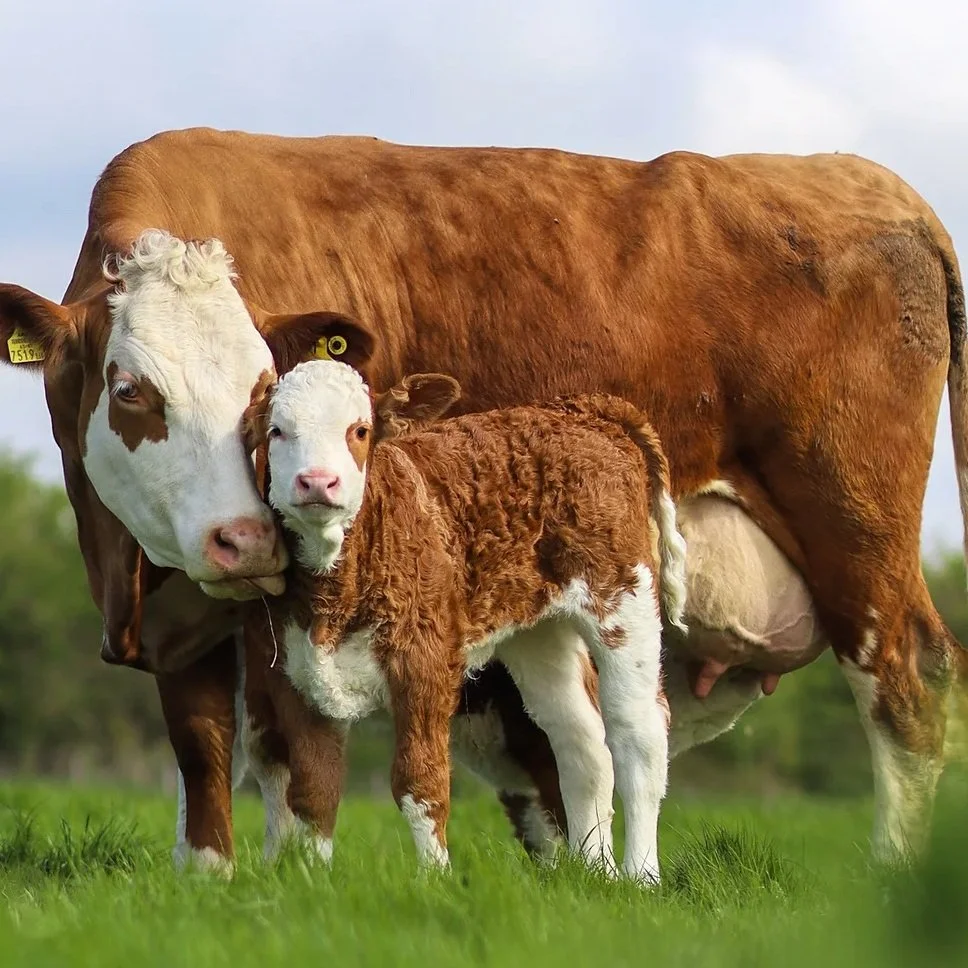
The cattle lifecycle follows a clear progression: Calf → Weanling → Yearling → Breeding Cow → Lactating Cow → Dry Cow. Understanding this flow helps farmers plan feeding programmes, health protocols, and management decisions throughout the year.
Example
Lifecycle Planning Example:
A dairy farmer uses the lifecycle progression to plan their annual management calendar:
- January-March: Calving season (Calf stage focus)
- April-June: Weaning and transition (Weanling stage)
- July-September: Growth and breeding decisions (Yearling to maturity)
- October-December: Dry cow management and preparation for next cycle
The six key lifecycle stages
Calf stage (0-8 weeks)
The calf stage is absolutely critical for setting up lifelong health and productivity. During this vulnerable period, calves depend entirely on their mother's care and the farmer's management skills.
Colostrum is the first essential requirement. This thick, nutrient-rich first milk must be consumed within the first two hours of life. It provides vital antibodies that protect against disease, along with concentrated energy and vitamins that newborn calves desperately need.
Important
Critical Colostrum Timeline: Colostrum must be consumed within the first 2 hours of life. After 6 hours, the calf's ability to absorb protective antibodies decreases dramatically, compromising their immune system for life.
After the colostrum period, calves require high-quality milk or milk replacer along with calf starter feed and constant access to clean, fresh water. Management practices during this stage include maintaining excellent hygiene standards, vaccination programmes to build immunity, and disbudding (removing horn buds) for safety and management purposes.
Weanling stage (2-12 months)
As calves transition away from milk dependency, they become weanlings. This stage focuses heavily on developing the digestive system to efficiently process solid feeds while maintaining steady growth rates.
Weanlings thrive on summer grass during the grazing season, supplemented with winter silage and concentrates when grass quality declines. Their diet must be rich in protein to support the rapid muscle and bone development occurring during this growth phase.
Note
During this stage, the rumen (first stomach chamber) is developing its capacity to break down fibrous plant material. Providing high-quality forage helps establish healthy rumen function that will serve the animal throughout its productive life.
Health management becomes increasingly important, with parasite control programmes and vaccination schedules helping to protect these growing animals. Proper ventilation in housing prevents respiratory problems that can severely impact growth rates.
Yearling to maturity stage (12-24 months)
During this crucial development period, management strategies differ significantly between beef and dairy animals, reflecting their different end purposes.
Beef cattle receive high-energy diets designed for finishing, preparing them for market weight and optimal meat quality. Dairy cattle require more controlled growth to reach approximately 60% of their mature weight before breeding, typically around 15-18 months of age.
Important
Avoid Overfeeding Dairy Heifers: Overfeeding during this stage can lead to excessive fat deposition in mammary tissue, permanently reducing future milk production capacity. Controlled growth is essential for optimal dairy performance.
A key management principle during this stage is avoiding overfeeding, which can lead to excessive fat deposition, particularly problematic in dairy heifers as it can permanently damage mammary tissue development and reduce future milk production capacity.
Breeding cow stage
When cows enter the breeding phase, nutrition becomes focused on supporting reproductive success. The diet must provide adequate energy, protein, and essential minerals, particularly selenium, copper, and iodine, which play crucial roles in fertility and reproductive health.
Body Condition Score (BCS) becomes a critical management tool, with target scores around 3.0 at calving time. This ensures cows have sufficient energy reserves for the demanding period ahead.
Note
Body Condition Scoring uses a scale of 1-5, where 1 represents severely undernourished animals and 5 represents overly fat animals. A score of 3.0 indicates optimal condition for most reproductive and production goals.
Breeding management involves decisions between artificial insemination (AI) and natural service, with careful supervision during the calving period to ensure both cow and calf safety.
Lactating cow stage
The lactating period represents the most nutritionally demanding phase of a cow's lifecycle. During peak lactation, cows require high-energy concentrates and protected protein sources to meet the enormous nutritional demands of milk production.
A fundamental principle governs this stage: energy and protein are partitioned between milk production and maintaining body reserves. In early lactation, cows typically mobilise body fat to support milk production, which is why excellent body condition before calving is essential.
Important
Energy Priority in Lactation: The cow's body prioritises milk production above almost all other functions, including maintaining her own body condition. This is why pre-calving nutrition is so critical - cows will sacrifice their own body reserves to maintain milk production.
Management focuses on maintaining excellent hygiene standards and providing access to high-quality grassland. Regular monitoring ensures cows maintain adequate body condition while supporting maximum milk production.
Dry cow stage
The dry period provides essential recovery time between lactations. Cows receive a moderate energy diet that prevents excessive weight gain while maintaining body condition and preparing for the next calving.
Key management practices include magnesium and selenium supplementation to prevent metabolic disorders, vaccination programmes to ensure colostrum quality, and monitoring for udder regeneration as the mammary tissue prepares for the next lactation cycle.
Note
The dry period typically lasts 60 days and allows the mammary tissue to regenerate and prepare for the next lactation. This rest period is essential for maintaining long-term milk production capacity and cow health.
Scientific principles driving lifecycle management
Several key scientific concepts underpin effective lifecycle management across all species and production systems.
Growth requirements centre on providing adequate protein for muscle and bone development, combined with sufficient energy to fuel metabolic processes and weight gain. Understanding these needs helps formulate appropriate diets for each life stage.
Reproductive efficiency depends heavily on maintaining proper energy balance and body condition scores. Research shows that fertility is closely linked to nutritional status, making feed management crucial for breeding success.
Important
The Fertility-Nutrition Connection: Studies consistently show that animals in poor nutritional condition have reduced conception rates, increased time to first service, and higher rates of early embryonic loss. Proper nutrition is fundamental to reproductive success.
Lactation physiology prioritises milk production above almost all other bodily functions. This means lactating animals require energy-rich diets to prevent excessive loss of body condition while maintaining production levels.
Immune system development relies on early colostrum intake and ongoing mineral and vitamin supplementation. Strong immunity reduces disease pressure and medication requirements throughout the animal's productive life.
Genetic potential can only be expressed when combined with appropriate nutrition and health management. Environmental factors and management decisions determine whether animals reach their genetic potential for growth, production, and reproduction.
Summary
Key Points to Remember:
- Colostrum within 2 hours is absolutely critical for calf survival and lifelong health
- Each lifecycle stage has unique nutritional requirements - what works for one stage may be inappropriate for another
- Body condition scoring is essential for managing breeding cows and ensuring reproductive success
- Energy balance during lactation determines both milk production and future reproductive performance
- Scientific principles of nutrition, genetics, and physiology must guide all management decisions throughout the animal's lifecycle