Health & Safety (Leaving Cert Agricultural Science): Revision Notes
📚Revision Notes
Health & Safety
Understanding health and safety hazards in crop operations
Working with crops involves numerous potential dangers that can cause serious injury or long-term health problems. These hazards fall into several key categories that every agricultural worker must understand and prepare for.
Machinery hazards represent some of the most serious risks in crop management. Tractors, harvesters, and spraying equipment can cause severe injuries through entanglement of clothing or limbs in moving parts. Crushing injuries can occur when workers get trapped under or between heavy machinery. Overturning accidents are particularly dangerous, especially on slopes or uneven terrain, and can result in fatal injuries.
Important
Machinery-related accidents are among the leading causes of farm fatalities. Never bypass safety guards or operate equipment without proper training and protective structures.
Chemical exposure poses significant health risks during crop protection activities. Fertilisers and pesticides can cause poisoning if absorbed through skin contact, inhalation, or accidental ingestion. Chemical burns may occur from direct contact with concentrated products. A major concern is spray drift, where chemicals can spread beyond their intended target area, potentially affecting workers, livestock, or neighbouring properties.
Manual handling tasks create substantial risks of back and muscle injuries. Lifting heavy bags of seeds or fertiliser without proper technique can cause acute injuries or contribute to chronic back problems. Repetitive movements during planting, harvesting, or sorting can lead to strain injuries over time.
Note
Manual handling injuries often develop gradually over time, making proper technique and mechanical aids essential for long-term health protection.
Dust exposure is a serious occupational health concern, particularly grain dust which can cause a condition known as farmer's lung. This respiratory illness develops from prolonged inhalation of organic dust particles and can lead to permanent lung damage if not properly managed.
Physical hazards from the work environment include slips, trips, and falls. Uneven ground, wet conditions in fields, and obstacles create constant risks for injuries. Poor weather conditions can compound these dangers whilst also creating additional hazards from heat stress, sunburn, dehydration, cold exposure, and fatigue.
Implementing effective controls and precautions
Successful hazard management requires specific control measures tailored to each type of risk encountered in crop operations.
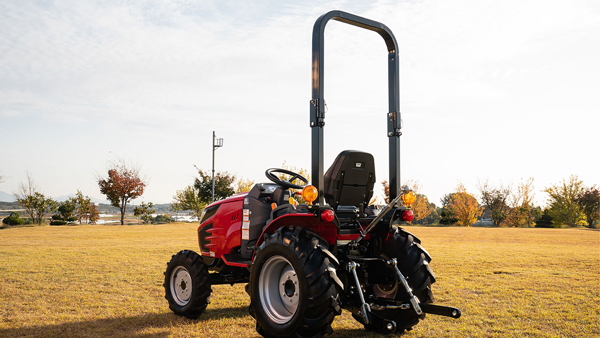
Machinery safety depends heavily on proper training and equipment maintenance. All operators must receive comprehensive training on safe operating procedures before using any equipment. ROPS (Roll-Over Protective Structures) should be fitted to tractors and other appropriate machinery. Regular maintenance schedules must be followed to ensure all safety systems function correctly. Guards and safety devices should never be removed or bypassed.
Example
Machinery Safety Checklist:
Before operating any farm machinery:
- Check that all guards and safety devices are in place
- Verify ROPS is properly installed and functional
- Inspect for any damaged or worn safety equipment
- Ensure you have received proper training on the specific equipment
- Review the operator's manual for safety procedures
Chemical safety requires careful attention to storage, handling, and application procedures. All chemicals must be stored securely in appropriate facilities with proper labelling and segregation of incompatible products. Workers must follow label instructions precisely and wear appropriate PPE (Personal Protective Equipment) including protective clothing, gloves, eye protection, and respiratory equipment when specified. Spraying should be avoided during windy conditions to prevent drift.
Manual handling safety can be improved through the use of mechanical aids such as forklifts, conveyors, or lifting equipment. When manual lifting is necessary, proper lifting techniques should be used, loads should be divided into manageable sizes, and team lifting should be employed for heavy items.
Dust control measures include wearing appropriate masks or respirators when working in dusty conditions. Storage facilities should have adequate ventilation systems to minimise dust accumulation. Regular cleaning of work areas helps reduce dust build-up.
Prevention of slips and falls requires maintaining tidy work areas, wearing appropriate footwear with good grip, and taking extra care in wet or icy conditions. Proper lighting in work areas and clear pathways help reduce accident risks.
Weather-related precautions include staying hydrated during hot weather, taking regular breaks in shade, wearing appropriate protective clothing, and adjusting work schedules during extreme conditions.
Establishing safe work practices
Creating a comprehensive safety culture requires systematic approaches to risk management and emergency preparedness.
Risk assessments should be conducted before beginning any crop operation. These assessments identify potential hazards, evaluate the likelihood and severity of harm, and determine appropriate control measures. Regular reviews ensure that risk assessments remain current and effective.
Note
Risk assessments are not just a legal requirement - they are a practical tool that helps identify hazards before they cause harm and ensures appropriate controls are in place.
Emergency preparedness is essential for all agricultural operations. Accessible first aid kits must be available and regularly checked to ensure supplies are current. Fire extinguishers should be strategically placed and properly maintained. Emergency contact information must be clearly displayed and easily accessible to all workers.
Training and supervision form the foundation of safe agricultural practices. All workers must receive proper training specific to their tasks and the equipment they will use. Regular refresher training helps maintain safety awareness and introduces updates to procedures or equipment.
Important
Inadequate training is a major contributing factor in agricultural accidents. Never assume workers know how to operate equipment safely - always provide comprehensive, hands-on training.
Regulatory compliance is both a legal requirement and a practical necessity. All agricultural operations must comply with HSA (Health and Safety Authority) regulations and follow the Farm Safety Code of Practice. This includes maintaining appropriate records, conducting required inspections, and implementing mandated safety measures.
Exam tips for health and safety topics
When answering exam questions about crop management health and safety, structure your responses around the three main areas: hazards, controls, and safe practices. Use specific examples where possible, such as mentioning farmer's lung when discussing dust hazards or ROPS when explaining machinery safety features.
Note
Exam Strategy: Remember to emphasise the importance of PPE for different situations and be able to explain why specific precautions are necessary. Understanding the connection between hazards and their appropriate control measures will help you provide comprehensive answers.
Key Points to Remember
Summary
Essential Health and Safety Knowledge:
-
Major hazard categories: Machinery (entanglement, crushing, overturning), chemicals (poisoning, burns, drift), manual handling (back injuries), dust (farmer's lung), slips/falls, and weather exposure
-
Essential safety equipment: PPE appropriate to the task, ROPS on tractors, first aid kits, fire extinguishers, and proper ventilation in storage areas
-
Key safety practices: Conduct risk assessments, provide comprehensive training, maintain emergency preparedness, and ensure full compliance with HSA regulations
-
Prevention focus: The goal is to prevent accidents and protect health through proper planning, appropriate equipment, and consistent safe work practices
-
Legal responsibility: All agricultural operations must comply with health and safety legislation and follow the Farm Safety Code of Practice