Production (Leaving Cert Agricultural Science): Revision Notes
📚Revision Notes
Production
Crop production involves understanding how different types of crops grow and develop throughout their life cycles, as well as implementing effective strategies to protect them from diseases. This knowledge is essential for successful farming and maximising yields.
Growth cycle of grass
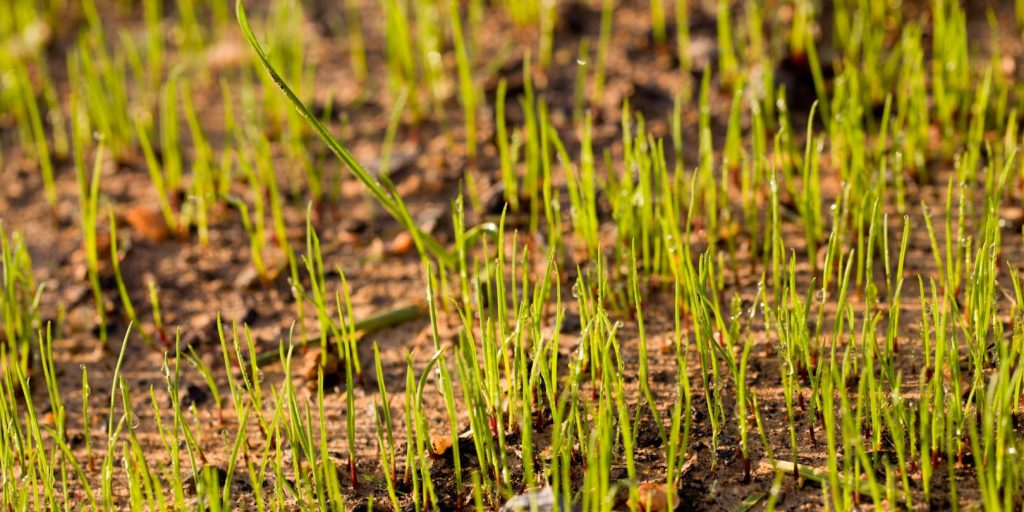
Grass is a perennial crop, which means it continues growing and producing year after year without needing to be replanted. Understanding its growth cycle helps farmers manage grassland effectively for livestock grazing.
Note
Perennial crops like grass provide long-term stability in farming systems since they don't require annual replanting, making them cost-effective and environmentally sustainable.
The grass growth cycle consists of five distinct stages:
- Germination: This is when the seed begins to sprout, with the root system and shoot emerging from the seed
- Seedling establishment: During this phase, tillers (side shoots) begin to develop, helping the plant establish a strong foundation
- Vegetative growth: The plant focuses on producing leaves and stems, with rapid elongation occurring and tillering increasing significantly
- Reproductive phase: The grass enters its flowering stage, producing stems that head out for reproduction
- Seed formation: If the grass is left ungrazed or uncut, energy is directed into producing seeds
Important
Key management tip: For optimal digestibility and protein content, grass should be grazed or cut before it reaches the heading stage. This ensures the highest nutritional value for livestock.
Growth cycle of food crops
Wheat serves as an excellent example of a food crop and is classified as an annual crop because it completes its entire life cycle within a single growing season.
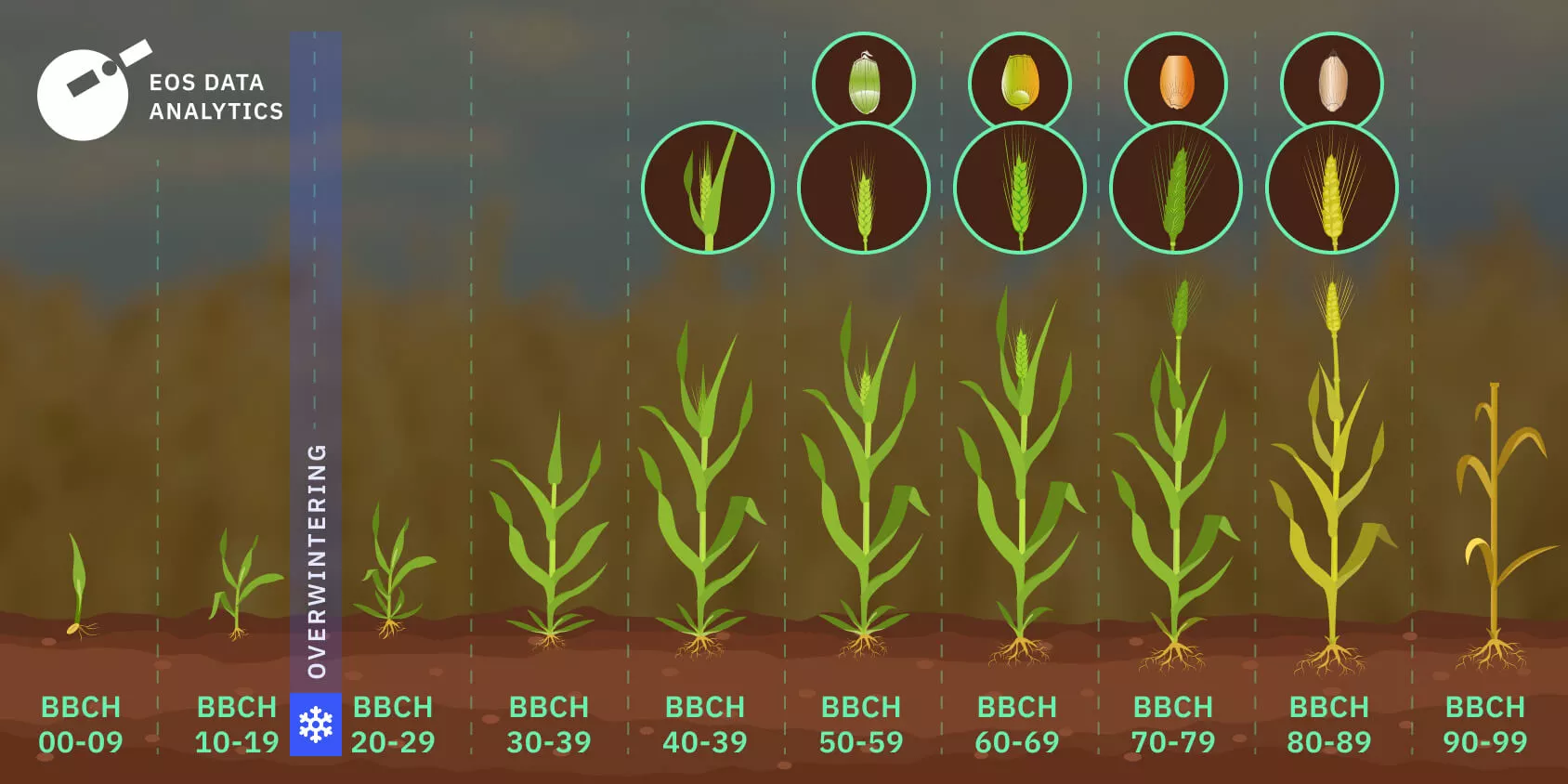
The wheat growth cycle includes six main stages:
- Germination: The seed absorbs water from the soil, causing roots and shoots to emerge
- Tillering: Multiple shoots form from the base of the plant, creating a bushy appearance
- Stem elongation: The plant experiences rapid upward growth as stems lengthen
- Heading/flowering: The characteristic wheat ear emerges, and pollination occurs
- Grain filling: Starch and protein accumulate in the developing grains
- Ripening/harvest: The grains dry out and harden, becoming ready for collection
Important
Critical management factor: The timing of both sowing and harvesting is absolutely crucial for wheat production success. Farmers must carefully plan these activities based on weather conditions and seasonal patterns.
Growth cycle of energy and catch crops
These crops serve specific purposes in farming systems, either for energy production or soil improvement.
Energy crops
Maize is commonly grown as an energy crop for biofuel production or animal feed. Its growth cycle follows these stages: germination → vegetative growth → tasselling → silking → grain filling → harvest.
Note
Important requirement: Maize needs warm temperatures and fertile soils to grow successfully, making it suitable for Ireland's milder regions during summer months.
Catch crops
Mustard is frequently used as a catch crop, which means it's grown specifically to capture nutrients and improve soil structure. Key characteristics include:
- Rapid germination and vegetative growth
- Flowers develop within just a few weeks of planting
- Can be incorporated into the soil as green manure, adding organic matter and nutrients
Note
Catch crops like mustard help prevent nutrient leaching during periods when main crops aren't growing, making farming systems more sustainable and environmentally friendly.
Disease protection strategies
Protecting crops from diseases is essential for maintaining healthy yields and quality produce. Different types of diseases require specific management approaches.
Fungal diseases
Common fungal problems include blight, rust, and mildew. Effective control strategies include:
Note
Fungal Disease Management:
- Selecting resistant varieties when available
- Implementing crop rotation to break disease cycles
- Applying appropriate fungicides when necessary
- Ensuring adequate spacing between plants for air circulation
Bacterial diseases
Bacterial infections such as fire blight and soft rot can be managed through:
Note
Bacterial Disease Control:
- Using clean, certified seeds
- Maintaining proper sanitation in fields and equipment
- Destroying infected plants to prevent spread
- Applying copper-based sprays when appropriate
Viral diseases
Examples include barley yellow dwarf virus and mosaic virus. Control methods focus on:
Note
Viral Disease Prevention:
- Choosing resistant crop varieties
- Controlling insect vectors that spread viruses
- Removing infected plants from fields promptly
Integrated pest management (IPM)
This comprehensive approach combines multiple strategies for sustainable crop protection:
- Crop rotation: Changing crop types in fields to disrupt disease and pest cycles
- Soil health maintenance: Keeping soil in good condition to promote plant resistance
- Regular monitoring: Checking crops frequently to detect problems early
- Targeted treatments: Using pesticides only when necessary and in specific areas
- Biological control: Encouraging natural predators and beneficial organisms where possible
Important
IPM represents the most environmentally responsible approach to crop protection, reducing reliance on chemical inputs while maintaining effective disease control.
Summary
Key Points to Remember:
- Grass is perennial and should be managed by cutting or grazing before the heading stage for best quality
- Wheat is annual and requires careful timing of both sowing and harvest for optimal yields
- Energy crops like maize need warm conditions, while catch crops like mustard grow rapidly for soil improvement
- Disease protection works best using integrated pest management combining resistant varieties, rotation, good hygiene, and targeted treatments
- Different diseases require different approaches - fungal, bacterial, and viral diseases each have specific control methods