Evolution: The Origins of Life (LC 2027) (Leaving Cert Biology): Revision Notes
📚Revision Notes
Evolution
What is evolution?
Evolution is the process by which living organisms change genetically over long periods of time to produce new forms of life. This gradual change allows species to adapt to their environments and explains the incredible diversity of life we see on Earth today.
Until the early 1800s, most people believed that species were fixed and unchanging. However, since the start of the nineteenth century, various theories of evolution have been proposed and tested. The most widely accepted modern theory is based on the groundbreaking work of Charles Darwin.
Note
The shift from believing in fixed species to accepting evolutionary change represents one of the most significant paradigm changes in scientific history. This transformation in thinking laid the foundation for modern biology and our understanding of life itself.
Historical background
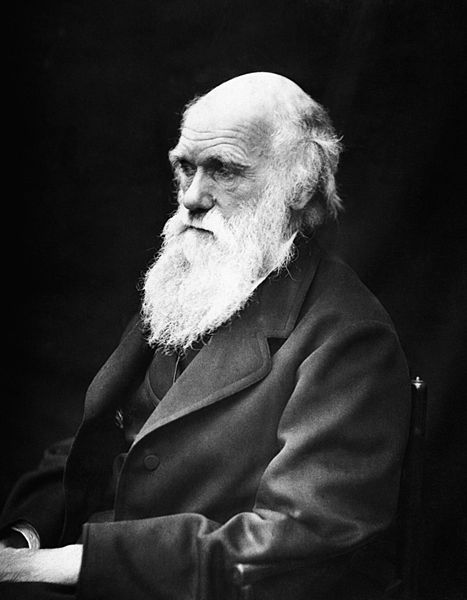
Charles Darwin (1809-1882)
Darwin initially studied theology but later became a naturalist. He developed many of his evolutionary ideas whilst working aboard a research ship, HMS Beagle. Much of his important work was conducted in the Galápagos Islands, located in the Pacific Ocean west of South America.
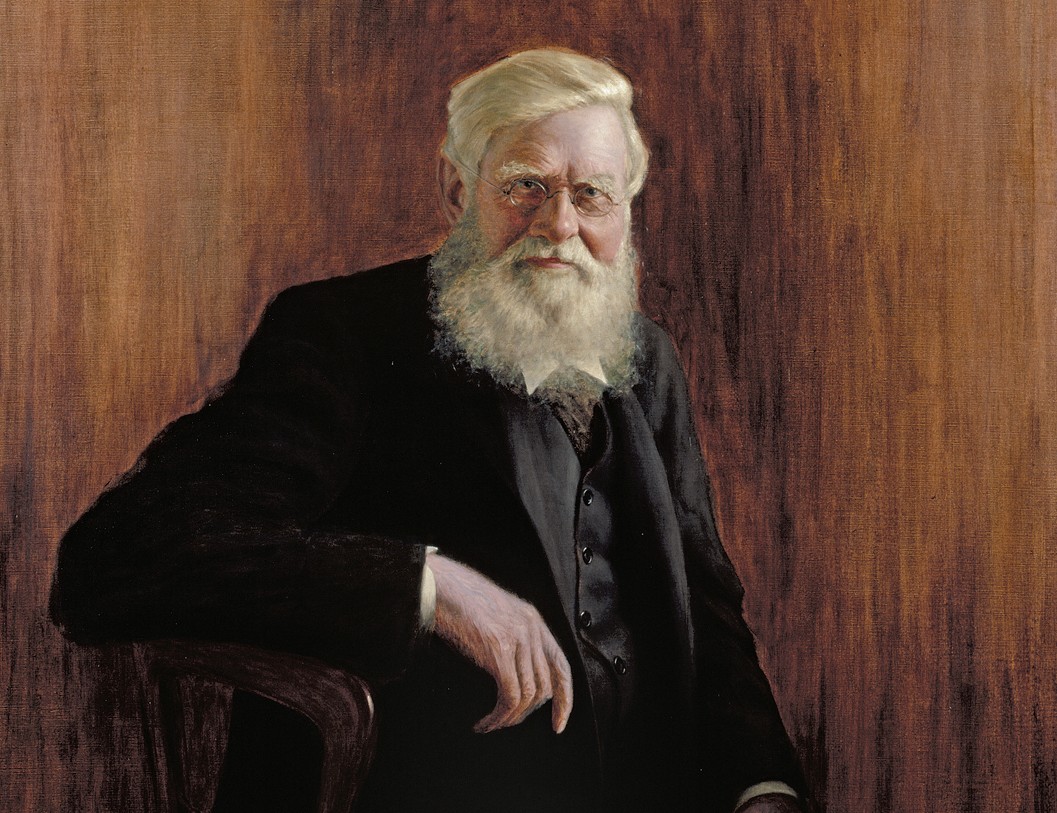
Alfred Russel Wallace (1823-1913)
Darwin's theory was first presented in 1858, largely due to pressure from another naturalist, Alfred Russel Wallace. Wallace had independently developed similar ideas to Darwin whilst living in Borneo. In 1859, Darwin published his famous book "On the Origin of Species by Means of Natural Selection", and since then, this theory has been known as natural selection.
Note
The fact that both Darwin and Wallace independently arrived at similar conclusions about evolution provides strong support for the validity of the theory. This convergent thinking demonstrates that the evidence for evolution was becoming overwhelming by the mid-1800s.
Theory of evolution by natural selection
The theory of evolution by natural selection is based on three key observations and two important conclusions drawn from these observations.
Observation 1: Overbreeding
Darwin noted that organisms produce large numbers of offspring. For example, trees produce thousands of seeds, and oysters lay millions of eggs. This means that populations have the potential to grow exponentially.
Observation 2: Population numbers remain constant
Despite the huge reproductive potential of organisms, the number of individuals of the same species (called a population) in an area remains relatively stable over time. The environment can only support a limited number of organisms, so population sizes stay roughly the same.
Observation 3: Inherited variations occur in populations
Members of a population or species show genetic or inherited differences. These variations may arise from sexual reproduction or mutations. Some variations help organisms adapt better to their environment, whilst others may be less helpful.
Important
These three observations were crucial because they provided the foundation for understanding how evolution works. Without overbreeding, there would be no competition; without stable populations, there would be no selective pressure; without inherited variations, there would be nothing for natural selection to act upon.
Conclusion 1: There is a struggle for existence
If more offspring are produced than the environment can support, there must be competition for scarce resources. This means that animals compete for food, water, shelter and mates, whilst plants compete for space, light, water and minerals.
Conclusion 2: Natural selection
Those organisms with favourable variations that enable them to adapt better to their environment will survive and reproduce. They will pass their beneficial variations on to the next generation. Organisms with unfavourable variations will not survive, and they will not be able to pass on their variations to the next generation.
Natural selection is sometimes called 'survival of the fittest', but this expression can be misleading. Natural selection is not about physical fitness in terms of strength or speed. Instead, it relates to how well-suited or well-adapted a species (or organism) is to its environment.
Important
Common Misconception Alert: "Survival of the fittest" doesn't mean the strongest or fastest survive. In evolutionary terms, "fitness" refers to reproductive success and how well an organism is adapted to its specific environment. A small, efficient organism might be more "fit" than a large, powerful one if it's better adapted to its environment.
Rationale for the theory
The theory of evolution by natural selection is justified because it is based on a huge amount of observation and experimentation. The evidence for the theory has been tested using many different types of studies carried out over many years. This helps explain why living things are so diverse and complex, yet share so many similarities.
Evidence for the theory of evolution
There are several important types of evidence that support evolutionary theory:
Embryology
Embryology is the study of the development of embryos and foetuses. The embryos of many organisms show remarkable similarities as they develop, indicating that they have arisen from a common ancestor.
For example, the embryos of all animals with a backbone (including fish, birds and mammals) have a tail and gill slits in their throat regions. Very often these features are not present in the adult animals, suggesting shared evolutionary origins.
Example
Evidence Example: Embryological Similarities
Human embryos, like those of many other vertebrates, develop gill slits and tails during early development. While humans don't need gills and lose their tails before birth, the presence of these features in embryonic development suggests we share common ancestry with fish and other vertebrates that retain these features as adults.
Fossil records
A fossil is the remains of something that lived a long time ago, or some indication of something that lived a long time ago. Examples of fossils include entire organisms, shells, bones, teeth, seeds, pollen grains, leaf prints, footprints and even faeces.
Fossil evidence shows how living things have changed over long periods of time, and some have even become extinct (such as the dodo and dinosaurs). This provides direct evidence of evolutionary change over time.
Phylogeny
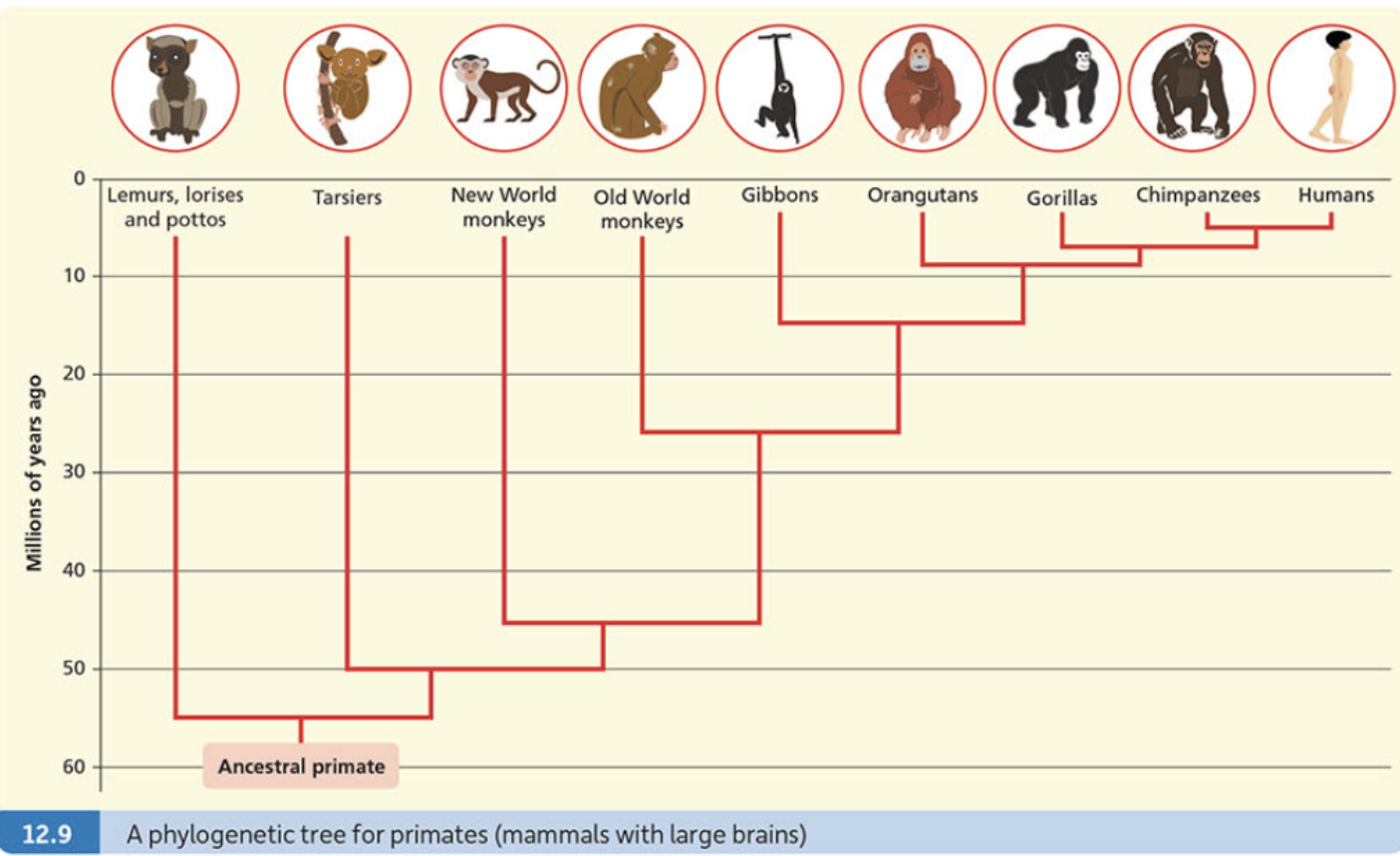
Phylogeny is the classification of organisms based on their evolutionary history. Phylogeny shows possible relationships between species based on their structures, how they function, along with genetic and other information. It is mainly based on DNA, RNA and protein comparisons.
Phylogenetic trees (also called evolutionary trees) allow us to understand the similarities (which indicate a common ancestry) and differences (which indicate the diversity) of living organisms over time. As more information is collected, these trees are updated in line with the latest discoveries.
Note
Modern phylogenetic analysis relies heavily on molecular evidence, particularly DNA sequencing. This has revolutionised our understanding of evolutionary relationships and has sometimes confirmed traditional classifications while overturning others that were based solely on physical appearance.
Comparative anatomy
Related organisms have similar body structures, even when these structures are adapted for different functions. This indicates that they have evolved from common ancestors.
For example, the front limbs of humans, dogs, whales and bats have similar bone structures, even though they are adapted for different functions (grasping, running, swimming and flying respectively). This similarity suggests they all evolved from a common ancestor.
Example
Comparative Anatomy Example: Homologous Structures
The pentadactyl limb (five-digit pattern) appears in the forelimbs of many vertebrates:
- Human arm: adapted for manipulation and tool use
- Bat wing: adapted for flight with elongated finger bones
- Whale flipper: adapted for swimming with shortened, flattened bones
- Horse leg: adapted for running with elongated bones
Despite their different functions, all share the same basic bone structure, indicating common ancestry.
Modern examples of evolution
Antibiotic resistance
Antibiotics are chemicals produced by microorganisms to kill bacteria and fungi. Penicillin was the first widely used antibiotic, first used in 1943. However, by 1945 some types of bacteria had mutated so that they were not killed by penicillin. Bacteria evolved very rapidly to become resistant to penicillin due to their rapid rate of reproduction.
New antibiotics were developed over the years, but bacteria soon mutated (or evolved) to resist the new antibiotics. In recent times, bacteria have evolved that are resistant to almost all known antibiotics. These bacteria are said to be multi-resistant. The best known example is MRSA (methicillin-resistant Staphylococcus aureus), but many other bacteria are no longer killed by many of our commonly used antibiotics.
Example
Modern Evolution Example: Antibiotic Resistance
The development of antibiotic resistance demonstrates evolution in action:
- Initial population: Most bacteria are killed by antibiotics, but a few have natural resistance due to genetic mutations
- Selection pressure: Antibiotic use kills susceptible bacteria, leaving resistant ones to survive
- Reproduction: Resistant bacteria multiply rapidly, passing resistance genes to offspring
- Result: Population becomes dominated by antibiotic-resistant bacteria
This process can occur in just a few generations due to bacteria's rapid reproduction rate.
The evolution of resistant bacteria is speeded up by:
- Overprescribing antibiotics
- Not finishing the full dose of antibiotics (which leads to reinfection and the use of more antibiotics)
- The overuse of antibiotics in agriculture (where they are often used constantly to ensure no infections occur)
Important
Critical Health Issue: The overuse and misuse of antibiotics is creating a global health crisis. When we don't complete antibiotic courses or use antibiotics unnecessarily, we create conditions that favour the evolution of resistant bacteria, potentially making future infections untreatable.
Speciation
Speciation is the production of new species because of evolution. If organisms develop traits that allow them to obtain more food, be more resistant to disease, or produce more offspring, then they will be 'selected by nature'. This means they may live longer and reproduce more often, therefore passing on their beneficial genes.
In time, the accumulation of slight changes results in the formation of organisms that can no longer breed with the original population. A new species is said to have formed, and speciation is said to have occurred.
The formation of new species does not mean that evolution ceases to take place. Evolution is a continual process and is taking place in all species (including humans) all the time.
Note
Speciation typically occurs over thousands or millions of years, making it difficult to observe directly. However, scientists have documented speciation in rapidly reproducing organisms like bacteria and some insects, providing direct evidence of this evolutionary process.
The importance of the theory of evolution
The theory of evolution by natural selection is the grand unifying theory for everything in biology. It has been said that 'Nothing in biology makes sense except in the light of evolution'. Evolution is important because:
Important
The Unifying Power of Evolution
The theory of evolution is a mechanism that helps to explain two distinct features of life:
- The diversity of living things, both present and past
- The unity (or similarities) of living things
Evolution shows us how distinct species can develop from a common ancestor due to inherited changes (diversity).
It also explains why living things share so many traits (unity) as they have descended from a common ancestor.
Evolution is the basic, unifying theory that underlies and explains so much of biology. It is the guiding theory that helps to answer so many of the questions posed in biology.
The theory of evolution allows us to make predictions in a wide range of biological areas (such as medicine, agriculture, conservation, disease control, biotechnology and human origins).
Evolutionary theory provides a wide-ranging explanation that allows us to understand the origins, diversity and inter-relationships of all living things.
Summary
Key Points to Remember:
- Evolution is the process by which living things change genetically over time to produce new forms of life
- Charles Darwin and Alfred Russel Wallace developed the theory of evolution by natural selection in the 1850s
- Natural selection is based on overbreeding, constant population sizes, inherited variations, and the struggle for existence
- Key evidence for evolution includes embryology, fossil records, phylogeny, and comparative anatomy
- Modern examples like antibiotic resistance and speciation demonstrate that evolution continues today