Pathogens (Leaving Cert Biology): Revision Notes
📚Revision Notes
Pathogens
What are pathogens?
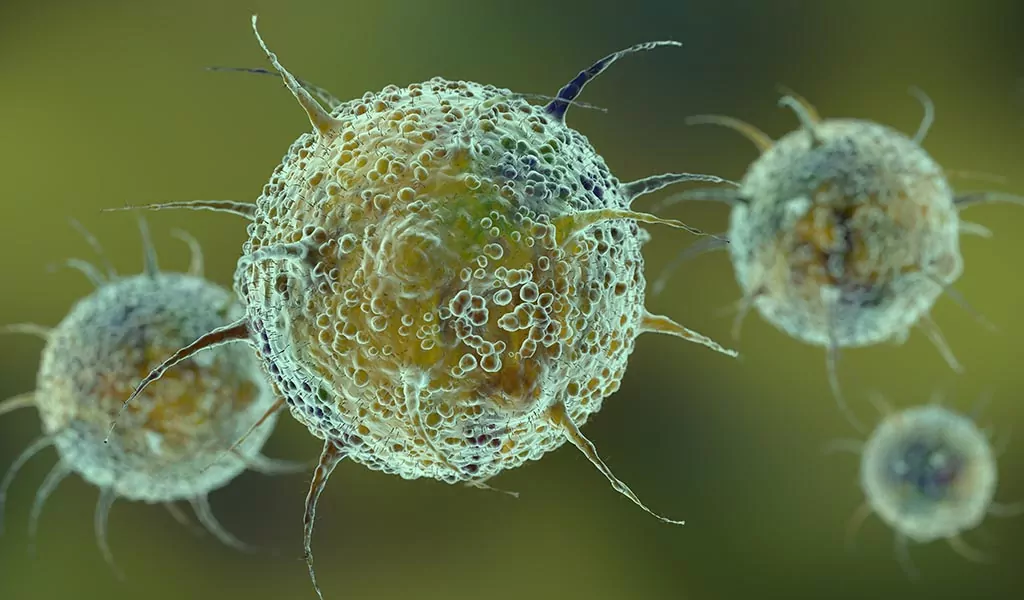
A pathogen is any organism or infectious agent that causes disease in living things. Understanding pathogens is essential for studying immunity because our immune system has evolved specifically to defend against these disease-causing agents.
Note
The immune system's complexity reflects the incredible diversity of pathogens it must defend against. Each type of pathogen requires different defensive strategies, which explains why we have multiple layers of immune protection.
Pathogens come in many different forms and include various types of organisms such as prions, viruses, bacteria, fungi, protists, and parasitic animals. Each type has different characteristics and causes disease in different ways.
Types of pathogens
Prions, protists and animal parasites
While viruses, bacteria and fungi are covered in other chapters, three important groups of pathogens deserve special attention: prions, protists, and parasitic animals.
Prions
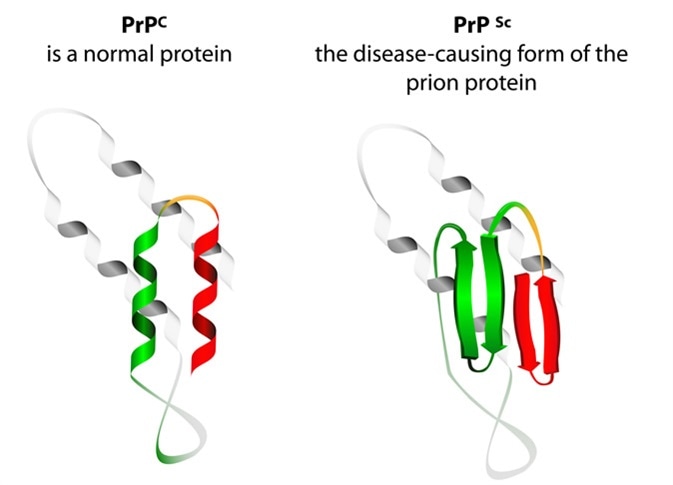
Prions are perhaps the most unusual type of pathogen. They are misfolded proteins that have the remarkable ability to be transmitted between organisms and multiply by converting normal proteins into more abnormal versions of themselves.
Example
Examples of Prion Diseases:
These infectious proteins cause serious brain diseases that affect both humans and animals:
- Scrapie - affects sheep
- BSE (Bovine Spongiform Encephalopathy or 'mad cow disease') - affects cattle
- Creutzfeldt-Jakob disease - affects humans
The diseases caused by prions lead to dementia and are typically fatal, developing quickly once symptoms appear.
Important
Scientists believe prions work by acting as a template that forces normal brain proteins to fold incorrectly. Once this happens, the newly misfolded proteins can then convert other normal proteins, creating a chain reaction that spreads throughout the brain tissue.
A single prion can convert normal proteins into more prions, leading to an exponential increase in the number of misfolded proteins in the brain.
Protists
Protists are single-celled organisms that belong to the eukaryotic domain but are distinct from plants, animals, and fungi. Most protists are microscopic and live in aquatic environments, though some can survive in other conditions.
Example
Major Protist Diseases:
As pathogens, protists are responsible for some serious diseases:
- Malaria - caused by Plasmodium species
- Sleeping sickness - caused by trypanosomes
The group includes various organisms such as amoebae, certain types of algae, and slime moulds. While not all protists cause disease, those that do can have significant impacts on human health, particularly in tropical regions.
Note
Protist diseases are especially prevalent in tropical and subtropical regions where environmental conditions favour their survival and transmission. This geographical distribution helps explain global health disparities.
Parasitic animals
Some animals have evolved to live as parasites, depending on other organisms (their hosts) for survival. Many of these parasitic animals can cause disease and health problems in their hosts.
Example
Common Parasitic Animals Affecting Human Health:
- Roundworms - intestinal parasites that can cause malnutrition
- Tapeworms - long, segmented worms that live in the digestive system
- Mites - tiny arthropods that can cause skin irritation and allergic reactions
- Lice - insects that live on the skin and hair, causing itching and discomfort
- Ticks - blood-sucking arachnids that can transmit other diseases like Lyme disease
These parasites have adapted various strategies to survive in or on their hosts, often causing harm in the process.
Summary
Key Points to Remember:
- Pathogens are disease-causing agents that include prions, viruses, bacteria, fungi, protists, and parasitic animals
- Prions are misfolded proteins that can convert normal proteins into abnormal versions, causing fatal brain diseases like BSE and Creutzfeldt-Jakob disease
- Protists are single-celled eukaryotes that cause diseases such as malaria and sleeping sickness
- Parasitic animals like roundworms, tapeworms, mites, lice, and ticks live on or in hosts and can cause various health problems
- Understanding different pathogen types helps explain why our immune system needs multiple defence mechanisms to protect against such diverse threats