The Human Defence System (LC 2026) (Leaving Cert Biology): Revision Notes
📚Revision Notes
Immunity
Note
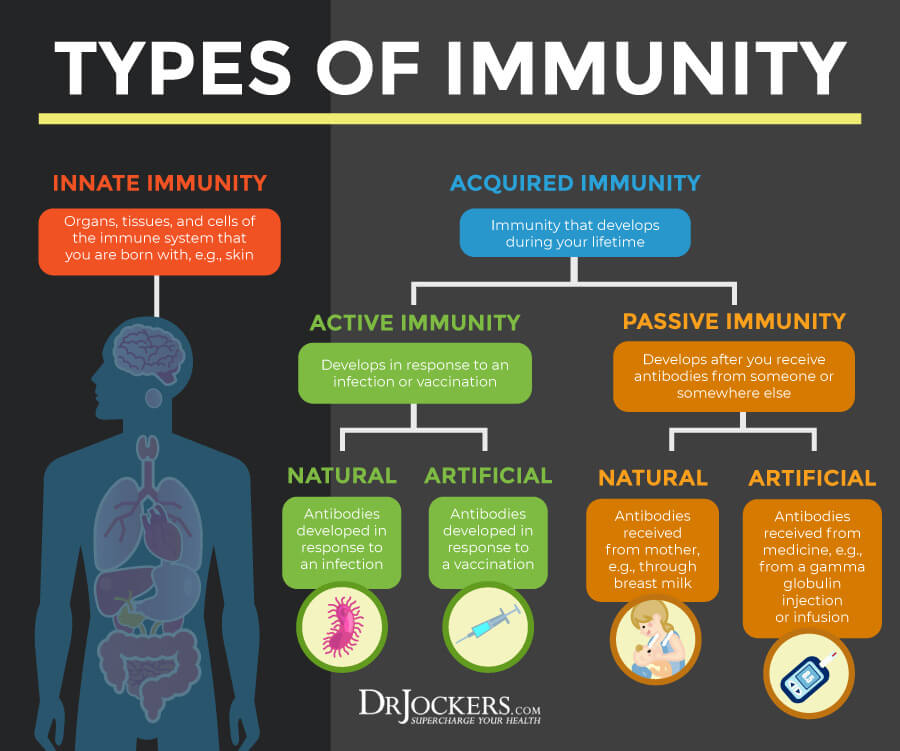
Induced immunity is the ability to produce antibodies against specific antigens.
Active Immunity
- Active immunity occurs when the body produces its own antibodies.
- This gives long term immunity because memory cells survive in the body.
- There are two types of active immunity:
- Natural active immunity
- Artificial active immunity
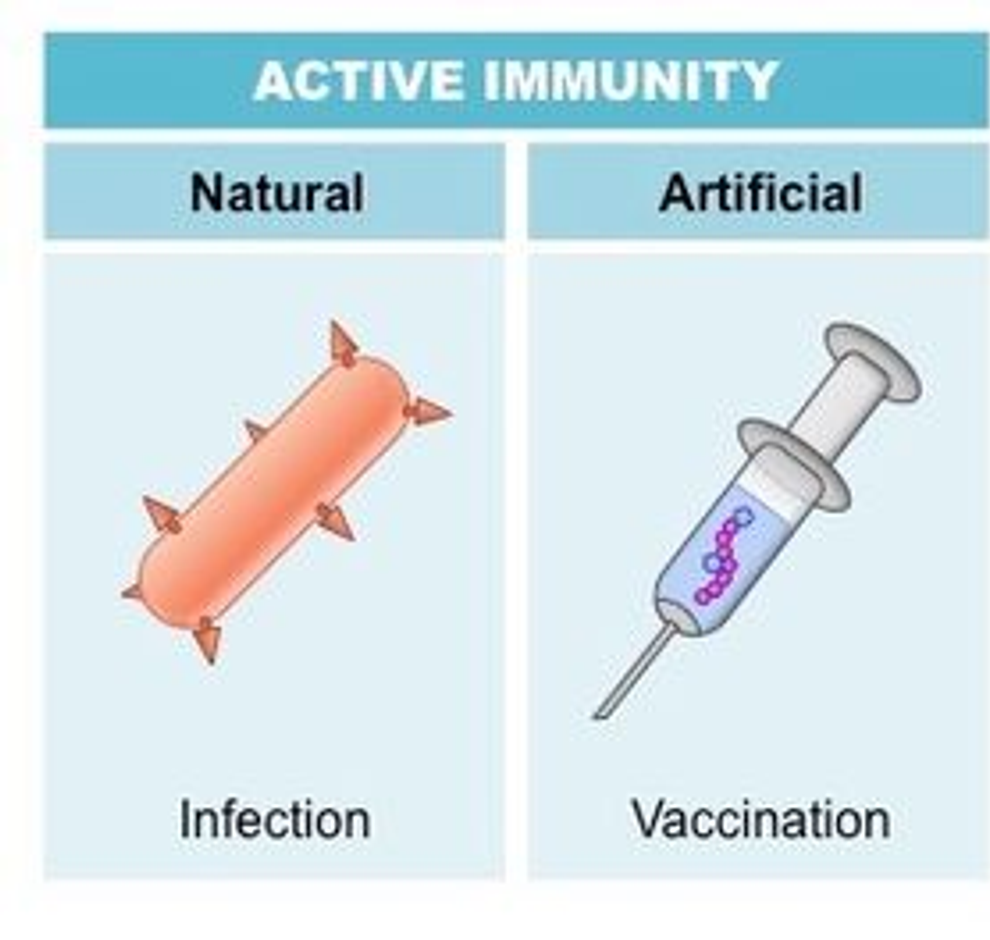
1. Natural Active Immunity:
- Occurs when a pathogen enters the body in a normal/natural way.
- Example: Chicken pox.
2. Artificial Active Immunity:
- Involves injecting or ingesting small doses of non-reproductive antigens (e.g., parts of a pathogen).
- This stimulates antibody production without causing illness.
- This method is known as vaccination or immunisation.
- Examples: TB (BCG injection), polio, meningitis, and MMR (measles, mumps, rubella).
Note
A vaccine is a non-disease causing dose of a pathogen which stimulates the production of antibodies e.g. MMR.
Passive Immunity
- Passive induced immunity occurs when antibodies pass from one organism to another.
- It provides short-term immunity because antibodies last only about 6 months and no memory cells are produced.
- There are two types of passive immunity:
- Natural passive immunity
- Artificial passive immunity
1. Natural Passive Immunity:
- Antibodies pass from a mother to her child.
- This can take place in the womb via the placenta or during breastfeeding.
- Babies do not normally suffer from common infections for the first 6 months of their lives due to the antibodies received from their mothers.
- Breastfeeding extends the period of immunity.
2. Artificial Passive Immunity:
- Involves injecting antibodies into a person to counteract a specific disease.
- Example: Tetanus injection.