Fruit and Seed Dispersal (Leaving Cert Biology): Revision Notes
📚Revision Notes
Fruit and Seed Dispersal
Note
Disposal is the carrying of the seed as far as possible from the parent plant.
- Dispersal is the carrying of the seed as far as possible from the parent plant.
- Dispersal is necessary to:
- Avoid large numbers of seeds competing with one other and with the parent plant.
- Increase the chance of survival for the plant.
- Find new areas for growth.
- Increase the numbers of the species.
- The main methods of seed dispersal are wind, water, animal, and self-dispersal.
1. Wind Dispersal
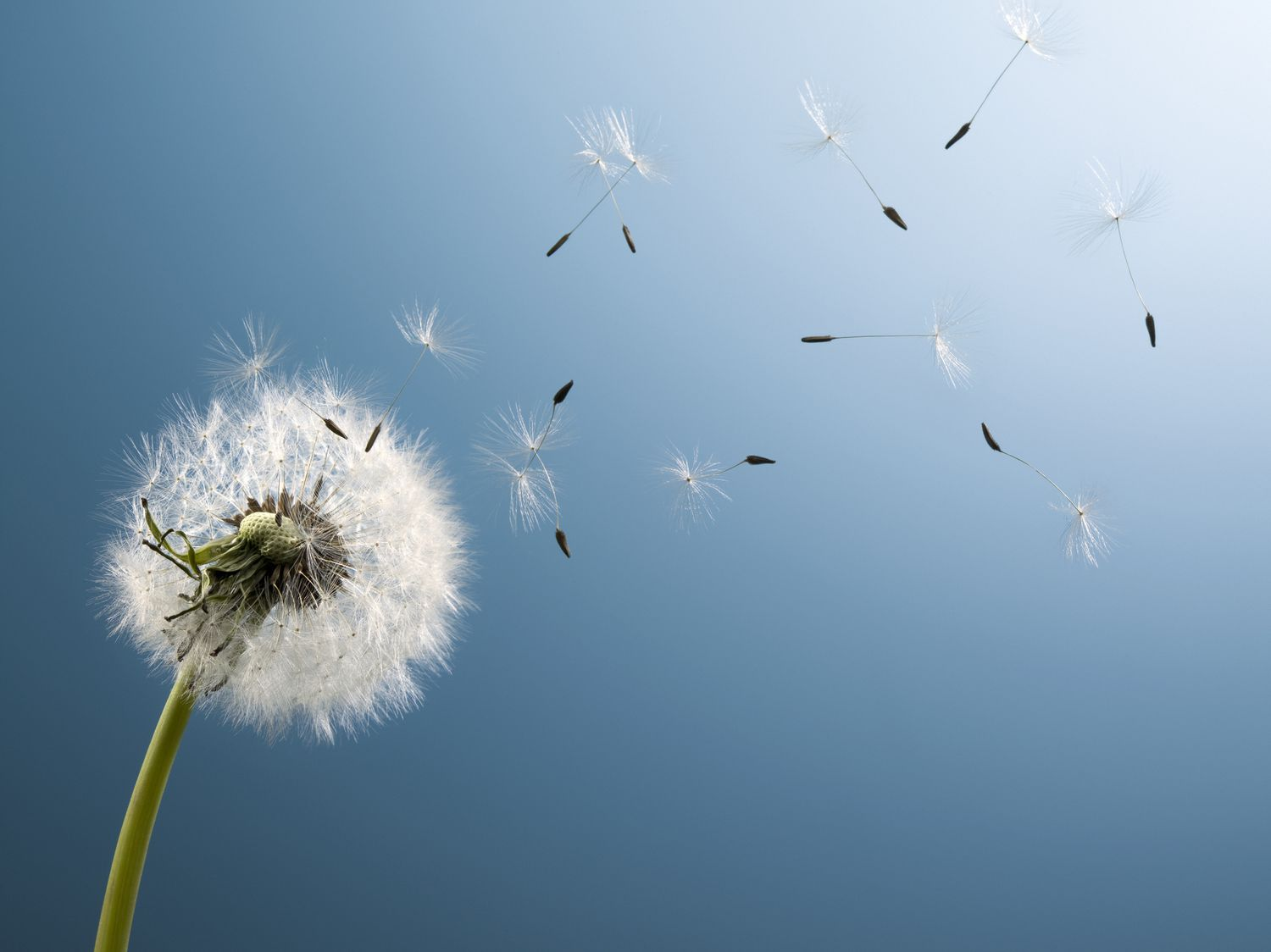
- Some seeds are very small and are carried long distances by the wind.
- Dandelions, thistles, and clematis produce parachute devices that help to disperse the seeds.
- Sycamore and ash produce fruit with wings that increase the distance over which the seeds can be dispersed.
2. Water Dispersal
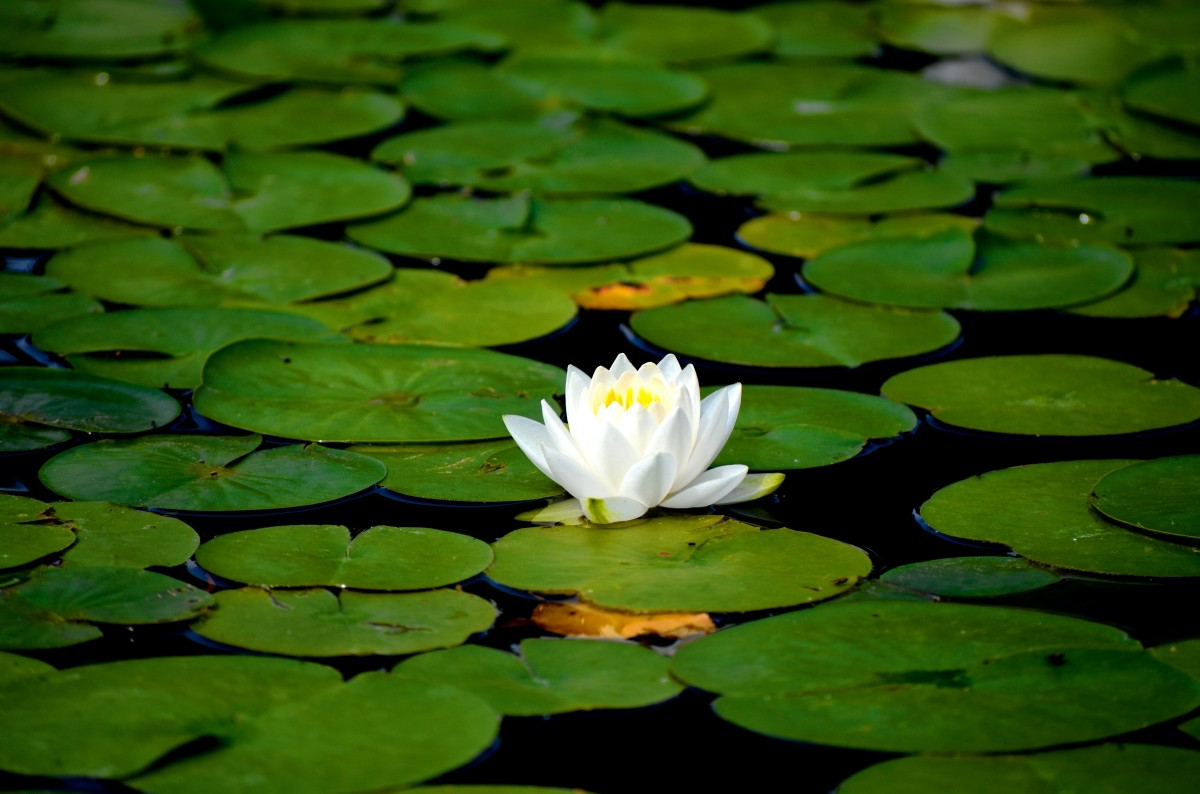
- Seeds or fruits are light, buoyant, and adapted to float.
- Common in plants near water.
- Plants like the water lily and coconuts have light, air-filled fruits that can float and are dispersed by water.
3. Animal Dispersal
- There are two methods of animal dispersal:
- External Transport
- Sticky or hooked seeds attach to the fur, feathers, or skin of animals and are carried away.
- Examples: Burdock, goose grass.
- Internal Transport
- Edible fruits are eaten by animals, and the seeds pass through their digestive system unharmed.
- Examples: Blackberries, strawberries.
4. Self Dispersal
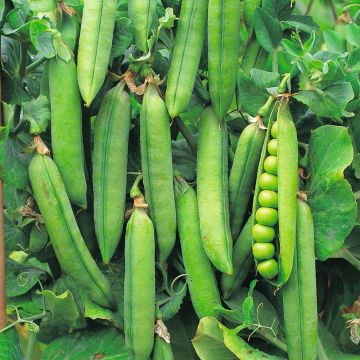
- Some plants have mechanisms to eject seeds forcefully from the fruit.
- Peas and beans: Have dry fruits (pods) that shrivel and burst open, scattering seeds.
Note
Adaptations for Effective Dispersal
- Lightweight Structures: Dandelion seeds are light, allowing them to travel long distances.
- Buoyancy: Coconuts have a fibrous coating to keep them afloat.
- Attractive Fruits: Blackberries and strawberries are brightly coloured and sweet to attract animals.
- Explosive Mechanisms: Peas use mechanical force to spread seeds.