Digital Technology (Leaving Cert Business): Revision Notes
📚Revision Notes
Digital Technology
Digital technology has fundamentally transformed the modern workplace over recent years. Gone are the days when employees worked strictly from 9am to 5pm in traditional office settings. We now live in an era of rapid technological change that has revolutionised workplace communication, automation, artificial intelligence, productivity, robotics, and flexible working arrangements.

Digital transformation in the workplace
Digital transformation refers to the integration of digital technology into all areas of business operations. This transformation has created new ways of working that were unimaginable just a few decades ago.
Note
Digital transformation isn't just about adopting new technology - it's about fundamentally changing how businesses operate, communicate, and deliver value to customers and employees.
The workplace transformation includes several key areas:
- Enhanced communication through digital platforms
- Automated processes that reduce manual work
- Artificial intelligence supporting decision-making
- Increased productivity through digital tools
- Robotics handling repetitive tasks
- Flexible working arrangements enabled by technology
This technological revolution has changed not just how we work, but where and when we work, creating opportunities for greater flexibility and efficiency in business operations.
Automation and Artificial Intelligence (AI)
Artificial Intelligence (AI) refers to computer systems that can carry out tasks typically requiring human intelligence. In the workplace, AI can handle routine and repetitive activities that employees would normally perform.
Automation works alongside AI to increase the efficiency of business processes. By automating routine tasks, employees gain more time to focus on creative and strategic work that requires human judgement and innovation.
Key benefits of AI and automation include:
- Reduced time spent on repetitive tasks
- Improved accuracy in routine processes
- Enhanced productivity across the organisation
- Cost savings through efficient operations
Example
Real-world Example: IKEA's Automated Recruitment
Companies like IKEA use automation in their recruitment processes:
Step 1: AI systems screen job applications automatically Step 2: Suitable candidates are identified using preset criteria Step 3: Human resources staff focus on interviewing and final selection
This allows HR professionals to concentrate on the human elements of recruitment while technology handles the initial screening.
Important
While some traditional roles may change due to AI and automation, new opportunities emerge in managing and developing these technological systems. The key is adapting skills rather than fearing technological change.
Communication technology
Digital communication tools have become essential for modern business operations, enabling instant connection between colleagues, customers, and business partners worldwide.
Email communication
Email has become the primary method of business communication, largely replacing traditional postal mail. This shift has brought numerous advantages:
- Instant delivery of messages and documents
- Cost savings on paper, stationery, and postage
- Ability to reach multiple recipients simultaneously
- Digital storage and easy retrieval of communications
- Environmental benefits through reduced paper usage
Businesses can now communicate with customers and colleagues globally without the delays and costs associated with traditional mail systems.
Instant messaging
Instant messaging represents the next evolution in workplace communication. Platforms like Microsoft Teams and Slack enable real-time communication that surpasses email in speed and interactivity.

Benefits of instant messaging include:
- Real-time conversations and quick responses
- Group discussions and team collaboration
- Video conferencing capabilities
- File sharing and screen sharing
- Integration with other business applications
Microsoft Teams
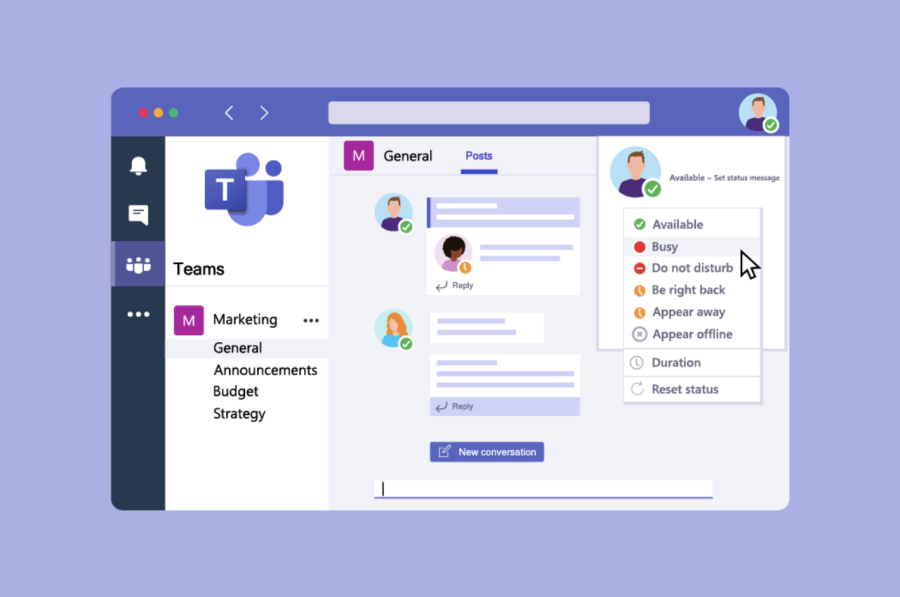
Microsoft Teams has become particularly popular as a comprehensive communication platform. It combines chat, video meetings, file storage, and application integration in one system.
Note
Microsoft Teams has become the standard in many workplaces because it brings together multiple communication tools in one platform, reducing the need to switch between different applications throughout the workday.
Teams enables collaboration between management and staff through features such as:
- One-to-one and group conversations
- Video conferencing for virtual meetings
- Document sharing and collaborative editing
- Integration with other Microsoft Office applications
This platform has become the standard in many workplaces, particularly supporting remote and hybrid working arrangements.
Robotics in business
Robotics involves using programmable machines to perform tasks that would traditionally require human workers. Many companies have adopted robotics for operations that are dangerous, costly, or require high precision.
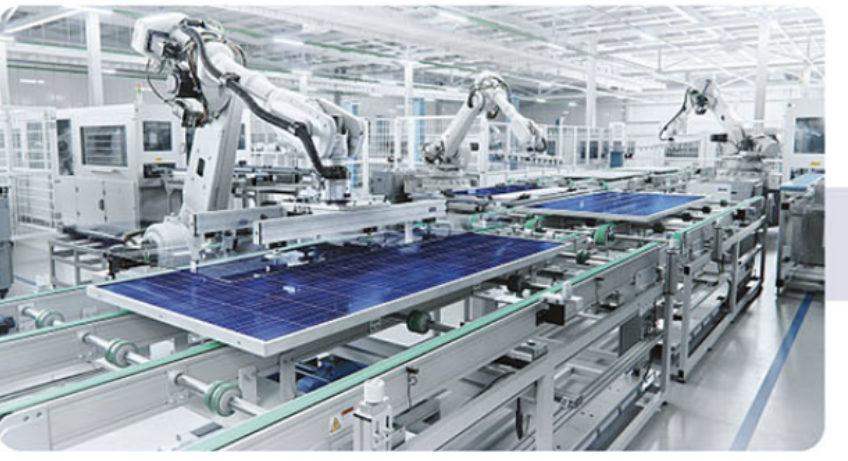
Common applications of robotics include:
- Manufacturing: Car assembly lines and production facilities
- Food production: Cake factories and food processing
- Healthcare: Surgical robots and medication dispensing
- Logistics: Warehouse automation and inventory management
Important
Employment Considerations: While robotics can replace some jobs, particularly those involving repetitive tasks, many people in lower-skilled positions may feel concerned about job security. However, robotics often creates new employment opportunities in robot maintenance, programming, and supervision.
Note
Cost Factors: Although robots require significant initial investment, they can provide long-term cost savings through improved efficiency and reduced labour costs. The return on investment often makes robotics attractive for businesses handling large-scale operations.
Remote working arrangements
The digital revolution has enabled many workers to choose flexible working arrangements that were previously impossible. Remote working describes situations where employees perform their duties from locations other than the traditional company office.
Types of remote working
Modern technology supports various flexible working arrangements:
- Teleworking/Telecommuting: Working from home using digital communication tools
- E-work: Any work performed using electronic devices and internet connectivity
- Mobile working: Working from various locations using portable devices
- Hub-work/Co-working: Using shared office spaces in local communities
- Hot-desking: Sharing desks and facilities in the office on a rotating basis
- Smart working: Combining technology with flexible location and time arrangements
- Virtual office: Conducting business entirely through digital platforms
- Hybrid working: Combining office-based and remote working arrangements
Digital enablement of remote work
Technology has made remote working practical and efficient through:
- High-speed internet connections enabling video calls and file sharing
- Cloud computing allowing access to company systems from anywhere
- Collaboration platforms supporting team projects
- Mobile devices providing workplace flexibility
- Secure networks protecting company data
Note
Growing Trend: The number of employees choosing remote working options has increased significantly in recent years. Many organisations now offer blended working arrangements, where employees split their time between office work and working from home.
This flexibility benefits both employers and employees by reducing commuting time, improving work-life balance, and often increasing productivity.
Summary
Key Points to Remember:
- Digital transformation has revolutionised modern workplaces through communication tools, automation, AI, robotics, and flexible working arrangements
- AI and automation handle repetitive tasks, allowing employees to focus on creative and strategic work that requires human skills
- Communication technology like email, instant messaging, and Microsoft Teams enables instant global business communication and collaboration
- Robotics supports dangerous or precision-required tasks in manufacturing and other industries, though it may impact some traditional employment roles
- Remote working arrangements, enabled by digital technology, offer flexibility in where and how work is performed, supporting better work-life balance and productivity