The Anthropocene (Leaving Cert CASD): Revision Notes
📚Revision Notes
The Anthropocene
What is the Anthropocene?
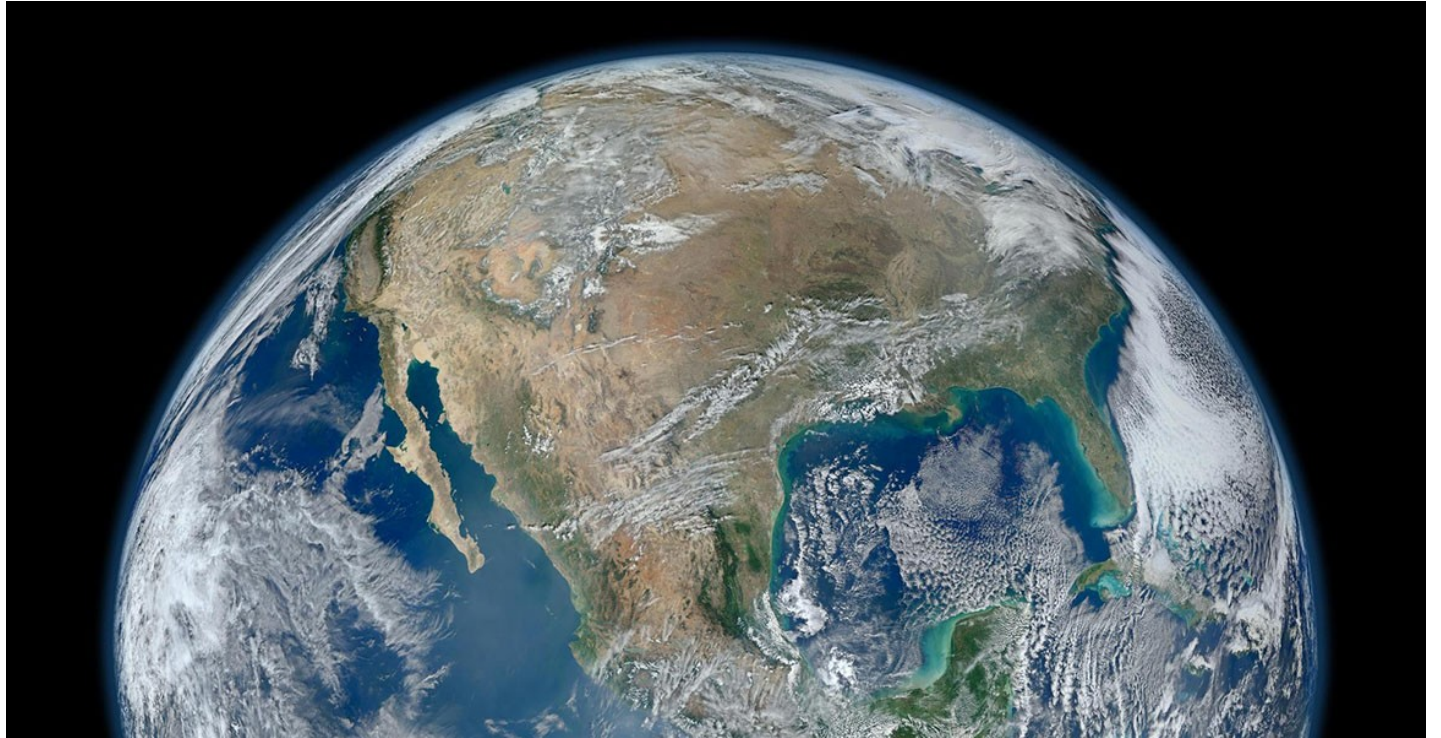
The Anthropocene refers to our current time period, which many scientists believe represents a new geological age dominated by human influence. The term describes how our species, Homo sapiens, has become the most powerful force shaping Earth's environment, climate, and ecosystems.
Note
The word comes from ancient Greek, combining anthropo (meaning human) and cene (meaning new). This suggests we are living in the "age of humans" - a time when human activities fundamentally alter our planet's natural systems.
Origins of the term
The concept of the Anthropocene was first introduced in the 1980s, then gained widespread attention in 2000 when atmospheric scientist Paul J Crutzen and researcher Eugene F Stoermer suggested we had entered a new geological period. They argued that human impact on Earth had become so significant that it would leave permanent traces in the geological record.
Important
However, the definition remains controversial among scientists. The scientific community continues to debate whether human changes are substantial enough to officially declare a new geological epoch.
Geological context: the Holocene epoch
To understand the Anthropocene, we need to examine Earth's geological timeline. Our planet formed approximately 4.5 billion years ago, and scientists organise this vast history into different periods called epochs, eras, and ages.
Geological epochs are time periods lasting millions of years, defined by significant changes in rock layers and fossil evidence. Each change typically reflects major climate shifts or environmental transformations.
For the past 11,500 years, Earth has existed in the Holocene Epoch. This period began when the last ice age ended and massive glaciers that had covered much of the planet melted away. The Holocene brought relatively stable, warm climate conditions that allowed human civilisation to develop and flourish.
Note
During the Holocene, humans achieved remarkable developments:
-
Built the first cities and settlements
-
Developed agriculture and farming techniques
-
Created complex technologies and societies
-
Experienced rapid population growth
The Great Acceleration
Scientists point to the past 60 years as evidence for the Anthropocene, calling this period the Great Acceleration. During this time, human impacts on Earth have increased at an unprecedented rate and scale.
Note
Key indicators of the Great Acceleration include:
-
Carbon dioxide emissions: Massive increases in greenhouse gases from burning fossil fuels
-
Global warming: Rapid climate change affecting weather patterns worldwide
-
Ocean acidification: Chemical changes in seawater due to carbon absorption
-
Habitat destruction: Widespread loss of natural environments
-
Mass extinction: Species disappearing at rates far above natural levels
-
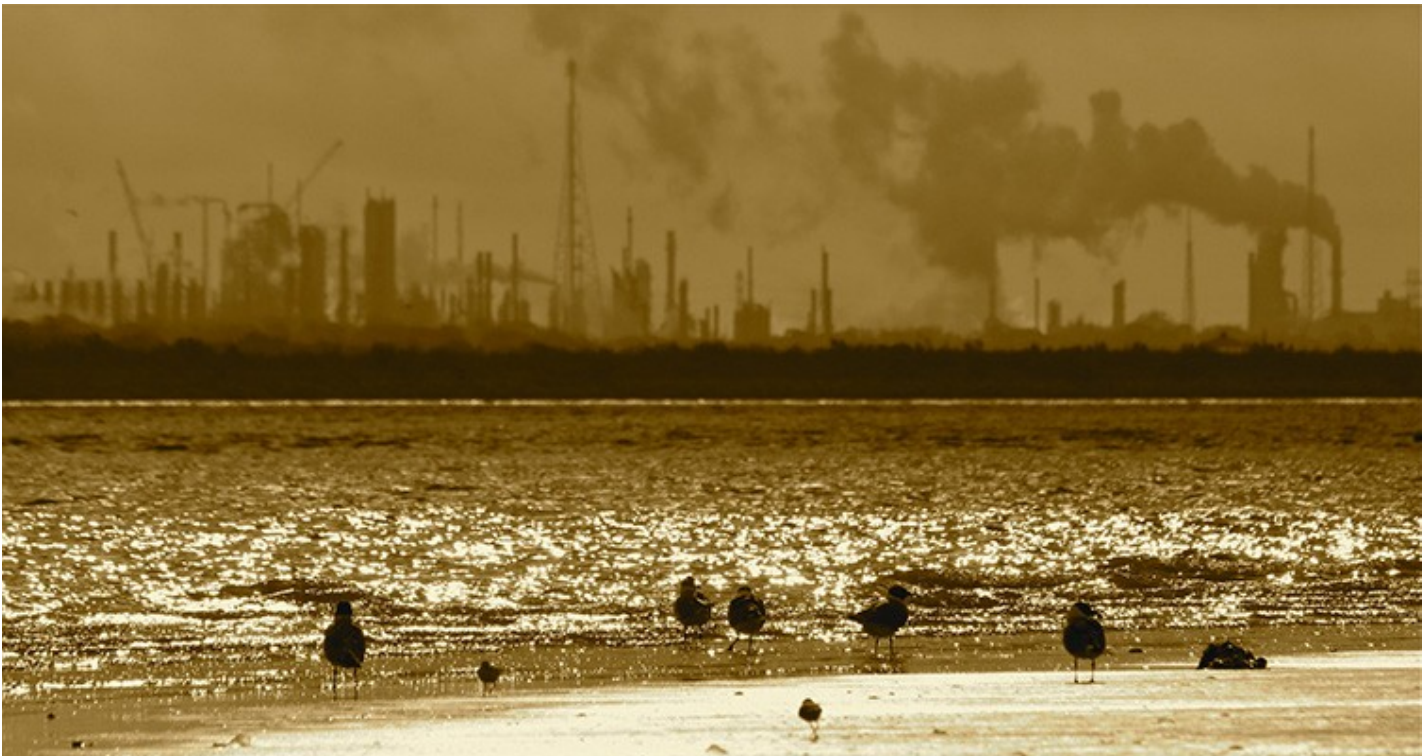
Resource extraction: Industrial-scale mining, logging, and fishing
Important
These changes represent the first time in Earth's history that a single species has deliberately and knowingly altered global environmental systems.
Signs of the Anthropocene
Climate scientists now agree that human activity, rather than natural processes, drives current global warming. Several human activities have created extraordinary planetary changes:
Agriculture and land use
-
Large-scale farming has transformed landscapes
-
Urban development has replaced natural habitats
-
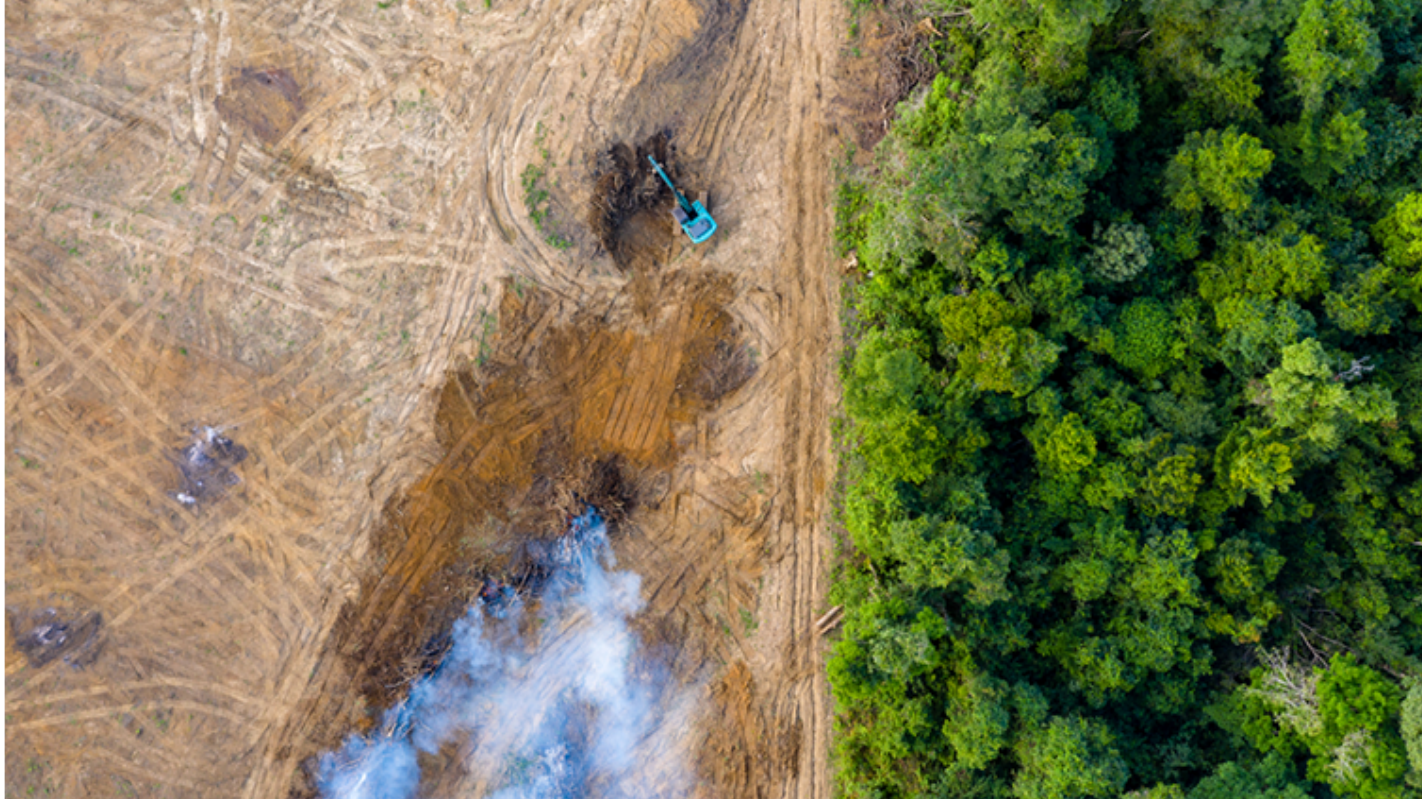
Deforestation removes carbon-absorbing forests
Industrial pollution
-
Factory emissions release greenhouse gases
-
Chemical pollutants contaminate air, water, and soil
-
Industrial processes alter atmospheric composition
Climate impacts
-
Rising sea levels threaten coastal communities
-
Extreme weather events become more frequent and severe
-
Polar ice melts at accelerating rates
When did the Anthropocene begin?
Scientists disagree about when the Anthropocene officially started, proposing several key moments:
Example
Proposed Beginning: The Industrial Revolution (1760s-1840s)
Some researchers argue the Anthropocene began with Britain's Industrial Revolution in the 18th century. This period introduced:
-
Coal burning for energy production
-
Factory-based manufacturing
-
Steam-powered transportation
-
Rapid urban development
The Industrial Revolution created the world's first fossil fuel economy, dramatically increasing carbon dioxide emissions and environmental damage.
Example
Proposed Beginning: The Nuclear Age (1950)
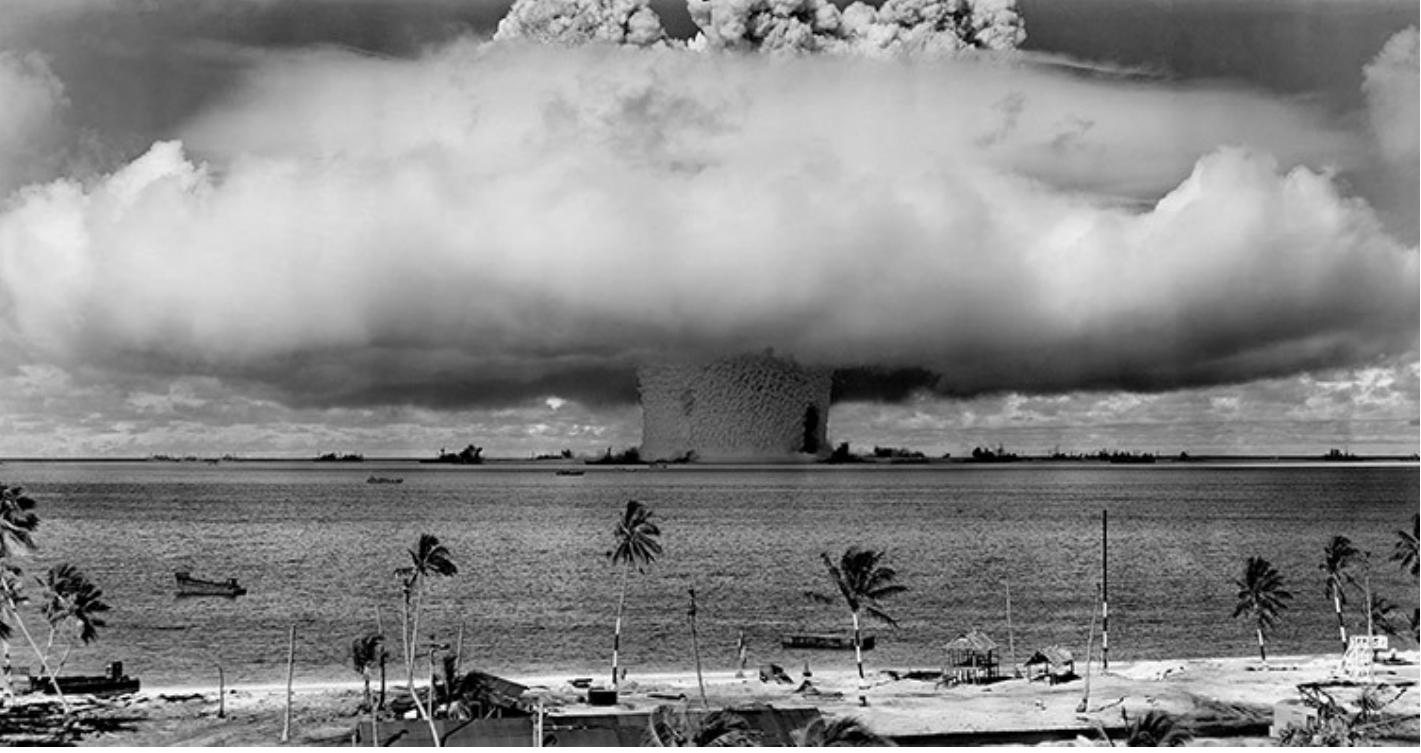
Others suggest the Anthropocene began in 1950 when nuclear weapons testing scattered radioactive materials across the globe. This nuclear debris entered rocks, trees, and the atmosphere, potentially providing the "golden spike" that scientists seek.
Example
Proposed Beginning: Early Agriculture (10,000 years ago)
Some scientists propose an even earlier start when humans first began large-scale farming, fundamentally changing land use patterns and ecosystems.
The golden spike
The International Commission on Stratigraphy - the organisation that officially names geological periods - continues debating the Anthropocene. They seek a golden spike: a clear marker in the fossil record that would definitively separate the Holocene from the Anthropocene.
Important
This marker must be significant enough to remain detectable in rock layers thousands or millions of years in the future, providing permanent evidence of the transition between geological epochs.
Plastic pollution as evidence
Plastic waste has become a potential marker for the Anthropocene, as it now permeates every part of our planet's surface and oceans.
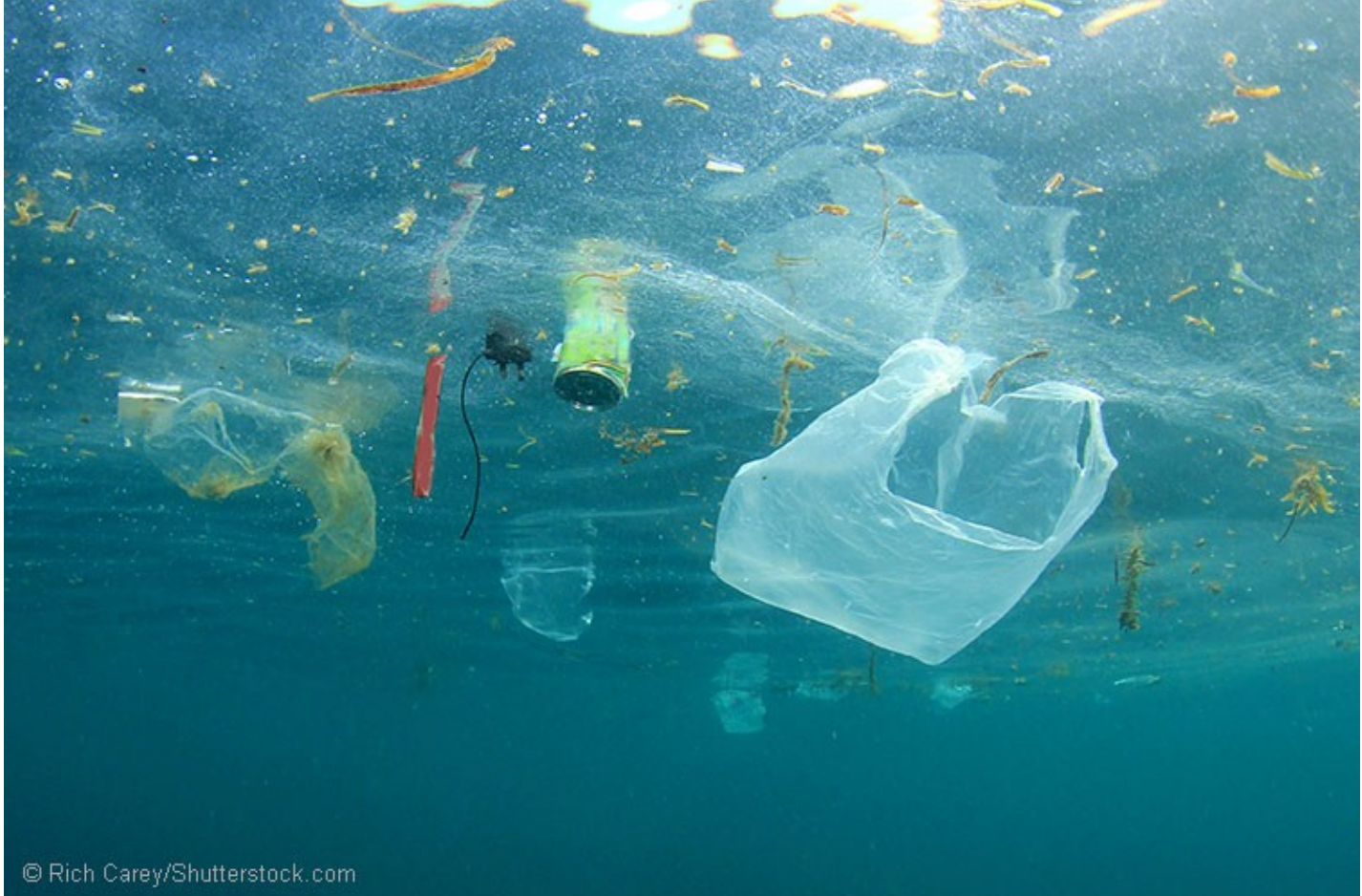
Research shows that plastic deposits in sediments have been rising since the 1940s, coinciding with mass plastic production. This pollution creates a distinct layer in the geological record that could serve as the golden spike scientists are seeking.
Note
Key facts about plastic pollution:
-
Plastic particles now exist in the deepest ocean trenches
-
Marine animals mistake plastic for food, leading to internal damage
-
Microplastics enter the food chain, affecting all levels of life
-
Plastic waste accumulates in massive ocean garbage patches
The scale of human impact
The Anthropocene concept is used in various cultural, scientific, and political contexts. While debates continue about official geological classification, the evidence of human planetary impact has become undeniable.
Important
Our species has fundamentally altered:
-
Atmospheric composition: Changing the balance of gases that regulate climate
-
Ocean chemistry: Altering pH levels and marine ecosystems
-
Land surfaces: Converting natural landscapes for human use
-
Biodiversity: Causing widespread species extinction and habitat loss
-
Geological processes: Creating new rock formations and sediment layers
Mass extinction and biodiversity loss
The Anthropocene represents the first time in Earth's history that a single species has caused mass extinction while being aware of its actions.

Previous mass extinction events resulted from natural disasters like asteroid impacts or volcanic eruptions. However, human activities now drive species extinction at rates significantly faster than natural background levels.
Important
Current extinction rates suggest we are experiencing the Sixth Mass Extinction, with potentially one million plant and animal species facing extinction in the coming decades.
Factors contributing to biodiversity loss include:
-
Habitat destruction and fragmentation
-
Climate change altering ecosystems
-
Pollution contaminating environments
-
Overhunting and overfishing
-
Invasive species introduction
Hope for our planet's future
Despite the critical state of Earth's environment, we possess better tools than ever before to understand environmental problems and develop solutions.
The scientific community emphasises that while the situation is urgent, meaningful action remains possible. Key approaches include:
Understanding through research
-
Studying past climate changes to predict future patterns
-
Monitoring current environmental conditions
-
Developing new technologies for sustainability
-
Creating computer models to test solutions
Taking action
-
Reducing greenhouse gas emissions
-
Protecting remaining natural habitats
-
Developing renewable energy sources
-
Changing consumption patterns
-
Supporting conservation efforts
Education and awareness
-
Teaching environmental science in schools
-
Raising public awareness about climate change
-
Encouraging individual and community action
-
Supporting policies for environmental protection
Exam tips
Important
Key concepts to remember:
-
The Anthropocene is a proposed new geological epoch dominated by human influence
-
The Great Acceleration refers to the past 60 years of unprecedented human impact
-
Scientists debate when the Anthropocene began: Industrial Revolution vs Nuclear Age vs Agriculture
-
The "golden spike" is a geological marker needed to officially define the new epoch
-
Human activities now drive climate change and mass extinction events
Common exam questions might ask about:
-
Defining the Anthropocene and its key characteristics
-
Comparing the Holocene and Anthropocene epochs
-
Explaining evidence for human impact on Earth systems
-
Discussing when the Anthropocene began and why there is debate
-
Analysing connections between human activities and environmental changes
Remember!
Summary
Key Points to Remember:
-
The Anthropocene represents the "age of humans" - a time when our species has become the dominant force shaping Earth's environment and climate systems.
-
The Great Acceleration describes the past 60 years of unprecedented human impact, including climate change, pollution, habitat destruction, and mass extinction.
-
Scientists debate when the Anthropocene began - proposals include the Industrial Revolution (1700s), Nuclear Age (1950s), or early agriculture (10,000 years ago).
-
The "golden spike" is a geological marker that scientists seek to officially define the boundary between the Holocene and Anthropocene epochs.
-
Despite the critical environmental situation, we have better tools than ever to understand problems and develop solutions for a sustainable future.