Climate Justice Movements (Leaving Cert CASD): Revision Notes
📚Revision Notes
Climate Justice Movements
What is climate justice?
Note
Climate justice is a movement that connects environmental protection with social fairness and human rights. Rather than treating climate change as simply an environmental issue, climate justice recognises that the impacts of global warming affect different communities unequally.
The movement highlights a crucial inequality: those who contribute least to climate change often suffer the most from its effects. Poor communities, Indigenous peoples, and Global South nations typically produce far fewer emissions than wealthy corporations and industrialised countries, yet they experience the worst consequences like flooding, droughts, and extreme weather events.
Climate justice movements focus on addressing the root causes of climate change rather than just treating the symptoms. This means tackling systemic issues around power, wealth distribution, and decision-making processes that have created the climate crisis.
Core demands of climate justice movements
Climate justice movements worldwide share six fundamental demands that address both environmental and social concerns:
1. Reduce emissions rapidly
Wealthy nations and corporations must take immediate responsibility for cutting greenhouse gas emissions. The movement argues that those who have contributed most to the problem should lead the solutions, rather than expecting developing countries to bear equal responsibility.
2. Equity and fairness
Climate action must be fair and just. The Global South requires financial and technological support from wealthier nations to transition to clean energy and adapt to climate impacts. This isn't charity - it's recognition of historical responsibility for emissions.
3. Protect human rights
Climate solutions must guarantee access to essential services like clean water, food security, and safe housing. Environmental protection cannot come at the expense of people's basic needs and livelihoods.
4. End fossil fuels and extractivism
The movement demands a complete transition to renewable energy sources, moving away from coal, oil, and gas. This includes ending harmful extractive industries that damage local communities and ecosystems.
5. Climate reparations
Wealthy countries should provide climate reparations - financial compensation to communities already suffering from climate impacts. This includes supporting the Loss and Damage Fund established to help vulnerable nations cope with climate disasters.
6. Inclusion and representation
Decision-making about climate policy must include the voices of youth, Indigenous groups, women, and marginalised communities. These groups are often most affected by climate change but least represented in traditional politics.
Important
Critical Understanding: Climate justice movements focus on addressing root causes rather than just symptoms. This means tackling the systemic power imbalances and wealth inequalities that created the climate crisis, not just reducing emissions in isolation.
Major achievements of climate justice movements
Climate justice movements have transformed how the world thinks about climate change and achieved significant political, legal, and cultural victories:
Political influence
The movements have successfully placed climate change at the centre of political discussions. They pressured governments into major international agreements like the Paris Climate Agreement (2015) and helped establish the Loss and Damage Fund at COP27 (2022) to support vulnerable nations.
Legal victories
Climate justice groups have won important court cases against governments and corporations, forcing stronger climate action. These legal challenges have established precedents that hold polluters accountable for environmental damage.
Cultural transformation
Perhaps most importantly, these movements have shifted public understanding from viewing climate change as merely an "environmental issue" to recognising it as a justice issue. This change in narrative has made climate action a mainstream political priority rather than a niche concern.
Case study: Global North - Fridays for Future
Example
Case Study Example: Fridays for Future Movement
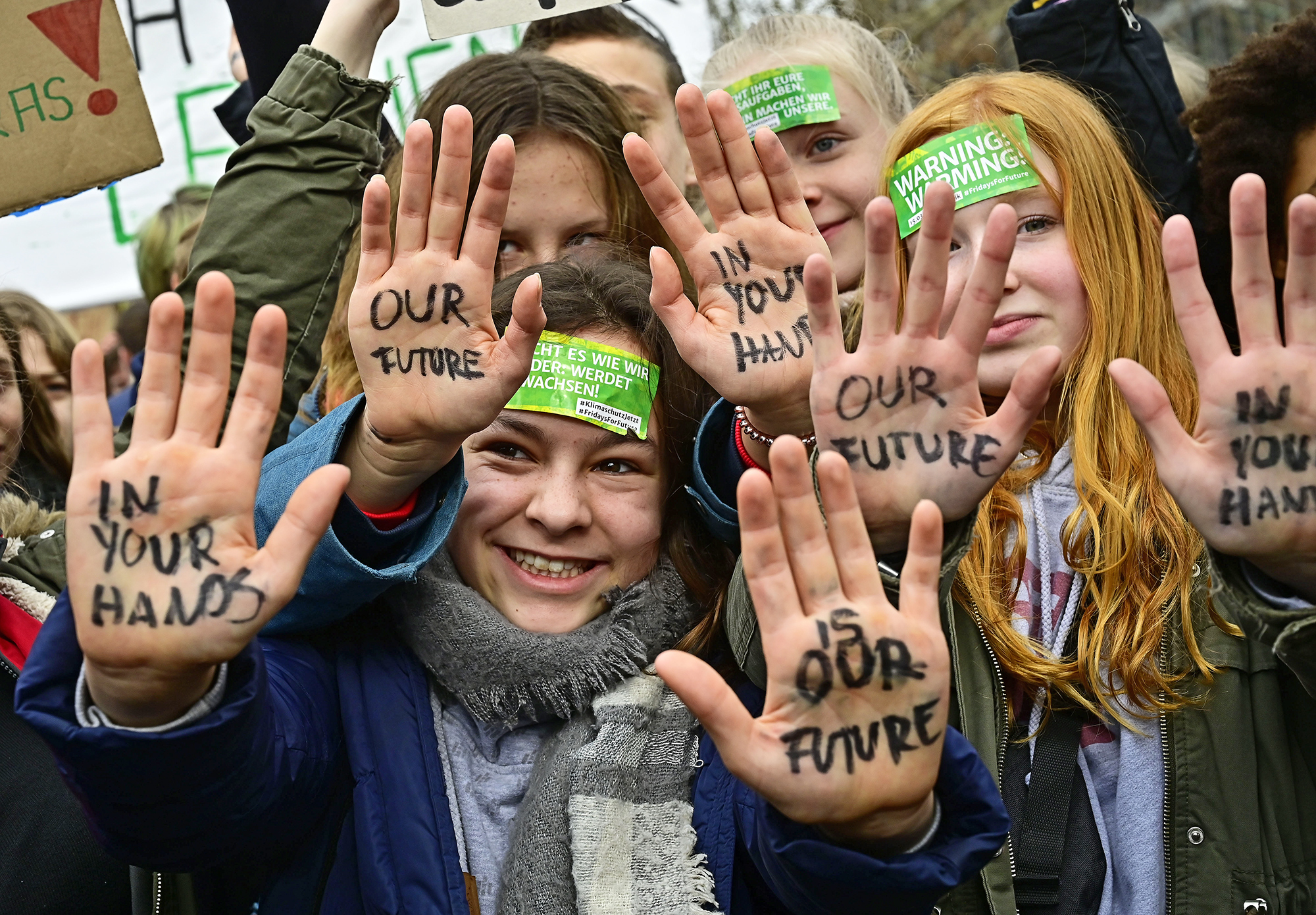
Fridays for Future represents the largest youth climate movement in history, demonstrating how young people in wealthy countries have mobilised for climate justice.
Background and development:
The movement began in 2018 when Greta Thunberg, a Swedish teenager, started protesting outside parliament instead of attending school. Her simple but powerful message - that adults were failing to protect young people's futures - resonated globally. The movement spread rapidly across Europe, North America, and beyond, with millions of young people joining school strikes for climate action.
Key demands:
-
Net-zero emissions by 2030 in developed countries
-
End subsidies for fossil fuel companies
-
Stronger climate laws that align with the 1.5°C target from the Paris Agreement
Achievements:
The movement built a massive global youth movement that gave young people a powerful voice in climate discussions. The protests pressured European governments to declare climate emergencies and influenced major policies like the EU Green Deal with stronger emissions targets.
Most importantly, Fridays for Future changed public discourse, making climate action a mainstream political issue that politicians could no longer ignore.
Case study: Global South - Movement of climate justice in the Philippines
Example
Case Study Example: Philippines Climate Justice Movement
The Philippines climate justice movement shows how communities most vulnerable to climate change are fighting back through both grassroots activism and legal strategies.
Background and context:
The Philippines faces extreme climate vulnerability, being frequently hit by typhoons, flooding, and rising sea levels. Despite contributing very little to global emissions, Filipino communities experience some of the world's worst climate impacts, making it a clear example of climate injustice.
Key demands:
-
Fossil fuel companies must pay climate reparations to communities affected by climate disasters
-
Protection for communities displaced by typhoons and other climate impacts
-
Transition to renewable energy that includes local, community-controlled projects rather than just corporate solutions
Achievements:
The movement has won groundbreaking legal victories. In 2019, the Philippines' Commission on Human Rights ruled that major fossil fuel companies could be held legally accountable for human rights violations linked to climate change - a world-first legal decision that set important precedents globally.
Local grassroots groups have successfully blocked new coal plants and promoted solar cooperatives that give communities control over their energy. The movement has also strengthened the Global South's voice in international negotiations like the Loss and Damage discussions at COP27.
Comparing Global North and Global South approaches
While climate justice movements worldwide share common goals, they use different strategies based on their circumstances:
Global North movements like Fridays for Future focus on mass youth mobilisation and influencing politics in wealthy nations. They have significant resources and media attention, allowing them to shift culture and policy in countries with high emissions.
Global South movements combine grassroots community organising with legal activism. They work directly with affected communities and use international law to challenge powerful corporations, demanding justice for those suffering climate impacts.
Despite different approaches, both movements share the same core message: climate action must be fair, urgent, and focused on helping the most vulnerable communities.
Exam preparation tips
Note
Exam Strategy: When answering questions about climate justice movements, structure your response clearly:
-
Define climate justice - explain how it links environmental and social issues
-
Outline key demands - focus on emissions cuts, reparations, and inclusion
-
Provide specific examples - use one Global North example (like Fridays for Future) and one Global South example (like the Philippines movement)
-
Explain achievements - discuss political, legal, and cultural impacts
-
Conclude by emphasising how climate justice movements are essential for connecting climate action with equality and human rights
Remember to use specific examples, dates, and locations to demonstrate detailed knowledge while explaining the broader significance of these movements for global climate action.
Summary
Key Points to Remember:
-
Climate justice connects environmental protection with social fairness - it's not just about the environment, but about equality and human rights too
-
The six core demands focus on rapid emissions cuts, equity, human rights, ending fossil fuels, climate reparations, and inclusive decision-making
-
Fridays for Future shows how youth mobilisation in wealthy countries can shift politics and culture around climate action
-
The Philippines movement demonstrates how vulnerable communities use legal strategies and grassroots organising to demand justice from polluting corporations
-
These movements have achieved major political, legal, and cultural victories that have transformed how the world understands and responds to climate change