Media Analysis (Leaving Cert CASD): Revision Notes
📚Revision Notes
Media Analysis
Introduction to climate justice and media communication
Note
Understanding how different media types frame climate justice is essential for analysing bias, authenticity, and influence in environmental communication.
Climate justice represents a crucial way of understanding climate change that goes far beyond environmental concerns. This approach treats climate change as a social, political, and ethical challenge that focuses heavily on fairness, inequality, and responsibility. When we examine how climate justice is communicated through different media channels, we discover that the message changes significantly depending on whether it appears in print, broadcast, or digital formats.
The way media presents climate justice issues has enormous power to shape public understanding and influence policy debates. Different media platforms can either amplify certain voices and perspectives or silence them entirely. This influence is shaped by various political, economic, and cultural contexts that determine which stories get told and how they are framed.
Understanding media analysis of climate justice helps us recognise how information flows through society and why different audiences might have vastly different understandings of the same climate issues.
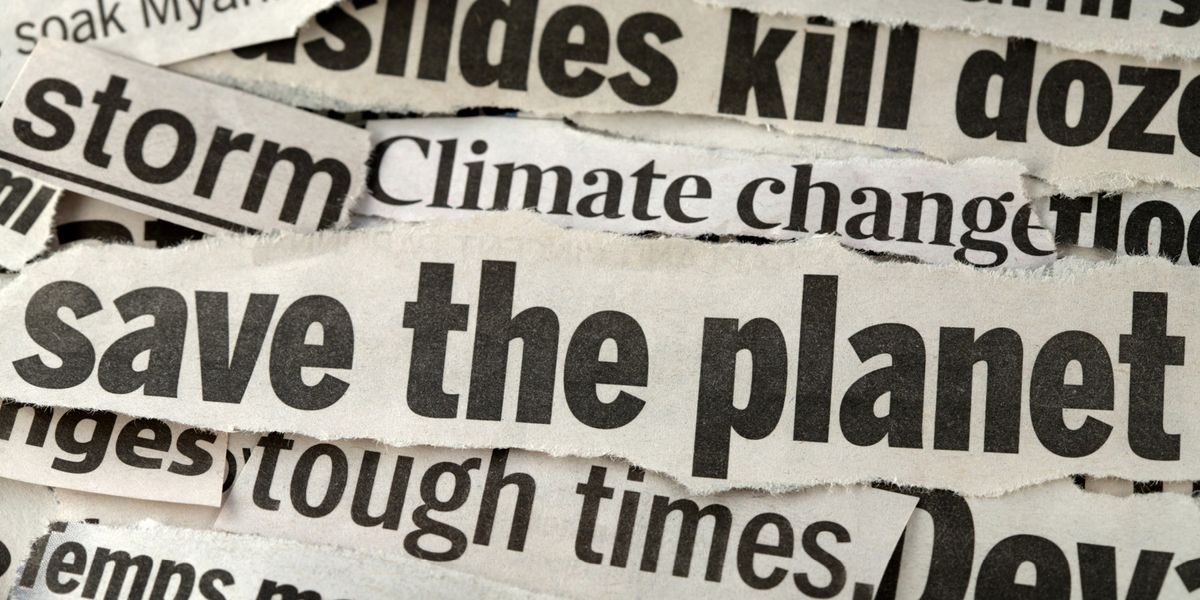
Print media analysis
Authenticity and trustworthiness in newspapers and magazines
Print media, including newspapers and magazines, often carries significant credibility due to its long-established tradition of investigative journalism. This heritage allows print outlets to provide detailed, in-depth reporting that can thoroughly explore complex climate justice issues. Many reputable publications, such as The Guardian and the Irish Times, have developed strong reputations for highlighting climate justice as an integral part of broader global inequality discussions.
Important
The trustworthiness of print media can be significantly influenced by ownership structures and political alignments. Some newspaper owners have clear political agendas that shape editorial decisions.
For instance, conservative-leaning publications might downplay corporate responsibility for climate change or present climate action as economically damaging, while progressive outlets might emphasise systemic inequalities and the need for urgent action.
How print media communicates climate justice
Print media often approaches climate justice through an economic lens, focusing on topics such as the costs of climate policies, employment opportunities in green industries, or disputes within agricultural sectors. This economic framing can sometimes overshadow the human and ethical dimensions of climate justice.
Many print outlets also utilise "human stories" to illustrate justice dimensions more effectively. These narratives might feature farmers struggling with changing weather patterns, Indigenous communities facing displacement, or flood victims dealing with increasingly severe weather events. These personal accounts help readers understand how climate change affects real people in unequal ways.
Note
Editorial decisions play a crucial role in determining which voices are heard and which stories receive prominence. The choice of headlines, selection of quotes, and decision about which experts to consult all significantly influence public perception of climate justice issues.
Print media examples
The coverage of COP27 climate negotiations provides an excellent example of how different print outlets can frame the same story in contrasting ways. When the breakthrough Loss and Damage Fund was announced, progressive publications celebrated this as a victory for climate justice and recognition of the Global South's needs. In contrast, other outlets focused primarily on the financial costs this might impose on developed nations, framing it as an economic burden rather than a justice achievement.
Broadcast media analysis
Authenticity and trustworthiness in television and radio
Public broadcasters such as RTÉ and the BBC are generally perceived as relatively reliable sources for climate information. However, these outlets sometimes face criticism for maintaining false balance in their coverage.
Important
False balance occurs when broadcasters give equal airtime to climate scientists and climate deniers, creating a misleading impression that there is significant scientific disagreement about climate change when the scientific consensus is actually very strong.
Commercial broadcasters may prioritise entertainment value or controversial content over depth and accuracy. Their programming decisions are often influenced by audience ratings and advertising revenue rather than public service obligations, which can affect how thoroughly they explore climate justice issues.
How broadcast media communicates climate justice
Television and radio news reports frequently reduce complex climate justice issues to simple weather disaster stories. This approach tends to present climate impacts as isolated natural events rather than examining the systematic inequalities that determine who suffers most from climate change. While this makes stories more accessible to general audiences, it can obscure important justice dimensions.
Documentaries and longer-form programmes often provide more comprehensive coverage of climate justice issues. Productions such as "Before the Flood" and David Attenborough's nature programmes have been particularly effective at communicating both the urgency of climate action and the justice aspects of climate change, reaching millions of viewers worldwide.
Note
Time constraints represent a significant challenge for broadcast media when covering climate justice. Complex narratives about inequality, responsibility, and systemic change cannot easily be condensed into brief news segments, which limits how thoroughly these issues can be explored.
Broadcast media examples
The coverage of Cyclone Idai's devastating impact on Mozambique in 2019 illustrates how broadcast media often frames climate events. While the flooding received extensive coverage, it was frequently presented as a "natural disaster" rather than being connected to global emissions patterns and questions of climate justice. This framing missed opportunities to help audiences understand how climate change disproportionately affects developing countries that have contributed least to the problem.
Digital and social media analysis
Authenticity and trustworthiness online
Digital and social media platforms present a highly variable landscape when it comes to authenticity and trustworthiness. These platforms simultaneously host credible journalism from established news organisations and vast amounts of disinformation and conspiracy theories. This creates significant challenges for audiences trying to distinguish reliable information from misleading content.
Activist accounts have gained particular prominence on social media platforms. Figures like Greta Thunberg and Vanessa Nakate have used these platforms to communicate climate justice messages directly to millions of followers, bypassing traditional media gatekeepers. However, social media algorithms tend to favour emotional and shareable content, which can distort nuanced discussions and oversimplify complex issues.
How digital media communicates climate justice
One of the most significant advantages of digital media is its ability to amplify grassroots voices from the Global South who might otherwise struggle to access mainstream media platforms. Social media has enabled climate activists from developing countries to share their experiences directly with global audiences, providing authentic perspectives on how climate change affects different communities.
Environmental movements such as Fridays for Future and Extinction Rebellion have effectively used social media platforms to frame climate change as fundamentally a justice issue. These movements have created online communities that share information, coordinate actions, and maintain momentum for climate activism.
Important
Digital platforms also serve as key spaces for spreading disinformation about climate change. Coordinated denial campaigns and automated bots frequently spread conspiracy theories and misleading information, which can undermine public understanding of climate science and justice issues.
Digital media examples
The #StopEACOP campaign provides an excellent example of how digital media can amplify climate justice messages globally. This hashtag, which opposes the East African Crude Oil Pipeline, trended internationally in 2022 and successfully amplified African activists' demands against fossil fuel expansion. The campaign demonstrated how social media can give voice to communities directly affected by climate injustice.
Major technology companies that control these platforms, including Meta, X (formerly Twitter), and TikTok, have economic incentives to maintain high user engagement, even when this involves misleading or divisive content. This creates ongoing challenges for communicating accurate climate justice information through these channels.
The role of partnerships in challenging narratives
Effective communication of climate justice increasingly depends on collaborative partnerships between different types of organisations and individuals. Journalists, non-governmental organisations, scientists, and activists are working together to counter misinformation and ensure that justice dimensions receive appropriate attention in climate coverage.
Note
Covering Climate Now represents one successful example of this collaborative approach. This global media partnership coordinates accurate, justice-focused reporting across multiple news outlets, helping to ensure consistent and comprehensive coverage of climate issues.
Such partnerships help overcome the limitations that individual media outlets might face when trying to cover complex global issues.
Collaboration between voices from the Global North and Global South is particularly important for ensuring fairness in climate justice reporting. These partnerships help amplify perspectives that are often excluded from mainstream media coverage, providing more complete and representative accounts of how climate change affects different communities worldwide.
Case study: Just Stop Oil
Example
Case Study Analysis: Just Stop Oil Media Coverage (UK, 2022-present)
Background and tactics:
Just Stop Oil emerged as a prominent UK climate activist group in 2022, demanding that the British government immediately stop issuing new oil and gas licences. The group's central argument is that continued fossil fuel expansion is fundamentally incompatible with climate justice principles, as it worsens global inequality and disproportionately impacts communities in the Global South.
The organisation employs non-violent direct action tactics designed to generate media attention and public discussion. These actions have included blocking major motorways, disrupting high-profile sporting events, and targeting famous artworks in galleries (such as throwing soup at Van Gogh's "Sunflowers" painting).
Media coverage across platforms:
Print media coverage varied dramatically depending on the political orientation of different publications. Conservative newspapers such as the Daily Mail and The Telegraph framed activists as "eco-zealots" or "criminals", focusing primarily on public disruption rather than climate justice arguments. Progressive outlets including The Guardian and The Independent highlighted the justice narrative behind the protests and connected oil expansion to broader issues of global inequality.
Broadcast media coverage often prioritised stories about public inconvenience over the underlying justice arguments. Television and radio reports frequently focused on traffic disruptions and arrests rather than providing activists adequate time to explain their position. However, some documentaries provided deeper context that helped audiences understand the broader issues.
Digital and social media coverage amplified the polarisation surrounding the activities. Viral video clips generated intense reactions ranging from outrage to solidarity. Hashtags such as #JustStopOil and #ClimateJustice spread internationally, though memes mocking the group's tactics also circulated widely.
Key lessons:
-
Media framing frequently overshadowed justice narratives by focusing on spectacle rather than substance
-
Political worldviews strongly influenced coverage across different outlets
-
Economic worldviews shaped narratives about jobs and energy security
-
Cultural worldviews influenced focus on tactics rather than systematic justice issues
Evaluation of communication approaches
The media coverage of Just Stop Oil demonstrates how different worldviews shape the interpretation of climate activism. Political worldviews strongly influenced coverage, with right-leaning media outlets framing the group as lawbreakers who threaten social order, while left-leaning publications were more sympathetic to their justice-focused demands.
Economic worldviews also shaped the narrative significantly. The fossil fuel industry and government representatives emphasised concerns about jobs and energy security, portraying Just Stop Oil as disconnected from the economic realities facing working-class communities. This economic framing often overshadowed discussions about the long-term economic costs of climate change and the potential benefits of renewable energy transitions.
Cultural worldviews influenced how public debates focused on the activists' tactics rather than the systematic justice issues they aimed to highlight. The attention given to soup-throwing and road-blocking demonstrated how cultural reactions to unconventional behaviour can distract from core environmental messages.
Important
Climate advocacy groups often rely on dramatic tactics to gain media attention, but this approach risks alienating potential supporters who disapprove of disruptive methods. Partnerships with sympathetic journalists and non-governmental organisations can help ensure that important justice issues don't get lost in sensationalist coverage.
Key takeaways and exam preparation
Summary
Key Points to Remember:
-
Different media types have distinct strengths and limitations: Print media offers depth but can be influenced by ownership and political bias; broadcast media is accessible and trusted but often oversimplifies complex issues; digital media amplifies grassroots voices but is vulnerable to disinformation campaigns.
-
Media framing significantly shapes public understanding: The way stories are presented, which voices are included, and what aspects receive emphasis all influence how audiences understand climate justice issues.
-
Partnerships and collaboration are essential: Effective communication of climate justice requires cooperation between journalists, activists, scientists, and NGOs to counter misinformation and ensure balanced coverage.
-
Political, economic, and cultural worldviews shape coverage: Understanding these different perspectives helps explain why the same climate justice story can be presented in dramatically different ways across various media outlets.
-
Real-world examples demonstrate these principles: Cases like COP27 coverage, Cyclone Idai reporting, and the Just Stop Oil campaign show how theoretical concepts apply to actual media analysis situations you might encounter in exams.