Acids and Bases (LC 2027) (Leaving Cert Chemistry): Revision Notes
📚Revision Notes
Types of Reactions Involving Acids and Bases
Understanding the different ways acids and bases can react is crucial for your Leaving Certificate Chemistry exam. There are three main types of reactions you need to master, each producing different products and having distinct characteristics.
Overview of acid-base reaction types
When acids and bases interact, they can undergo three different types of reactions depending on what the base contains:
- Neutralisation - when acids react with hydroxide bases
- Acid-carbonate reactions - when acids react with carbonate or hydrogencarbonate compounds
- Acid-metal reactions - when acids react with metals directly
Note
Each reaction type follows a predictable pattern and produces characteristic products that you can identify and predict. Learning these patterns is key to success in your chemistry exam.
Neutralisation reactions
What is neutralisation?
Neutralisation occurs when acids and bases react together in the correct proportions. During this process, both substances lose their characteristic acidic or basic properties. The resulting solution becomes neutral, meaning it has no effect on litmus paper - hence the name "neutralisation".
Important
The key concept here is that the acidic hydrogen ions (H⁺) from the acid combine with the hydroxide ions (OH⁻) from the base to form water molecules. This removes both the acidic and basic properties from the solution.
General equation for neutralisation
All neutralisation reactions follow the same basic pattern:

Understanding the ionic process
To truly understand neutralisation, we need to look at what happens at the ionic level. When we write the complete ionic equation:
The sodium and chloride ions appear on both sides - these are called spectator ions because they don't actually participate in the reaction. The real neutralisation process is simply:
This is the fundamental neutralisation reaction - hydrogen ions combining with hydroxide ions to form water.
Common neutralisation examples
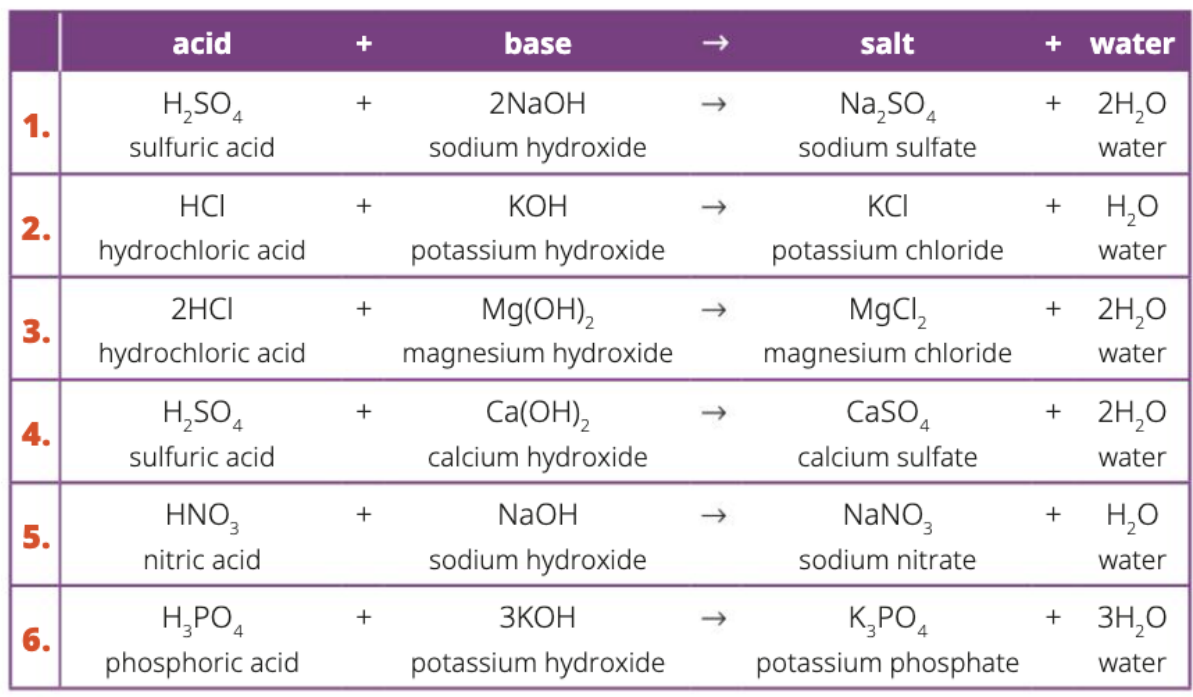
These examples show how different acids and bases can neutralise each other, always producing a salt and water. Notice how the chemical formulas change but the pattern remains constant.
Practical applications of neutralisation
Medicine and health
Neutralisation plays a vital role in treating stomach problems. When your stomach produces too much hydrochloric acid, antacids containing bases like sodium hydrogencarbonate can neutralise the excess acid:

Agriculture
Farmers regularly use lime (calcium hydroxide) to neutralise acidic soils. First, calcium oxide (quicklime) reacts with water to form calcium hydroxide:
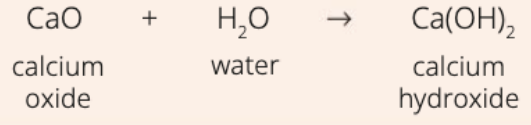
Then this calcium hydroxide neutralises soil acidity:

Personal care products
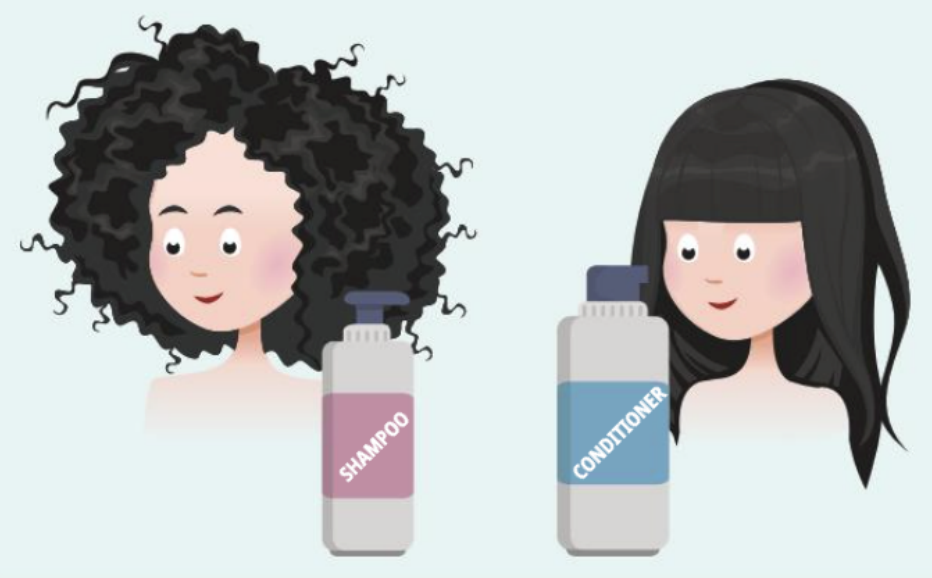
Even hair care involves neutralisation principles. Shampoos are often slightly basic to neutralise acidic buildup, while conditioners help restore the natural pH balance.
Reactions between acids and carbonates
The general pattern
When acids react with carbonates or hydrogencarbonates, a distinctive reaction occurs that's easy to identify:

Note
The key identifying feature is the production of carbon dioxide gas, which causes effervescence (fizzing or bubbling). This makes acid-carbonate reactions easy to spot in practical work.
Why carbon dioxide is produced
Carbonate compounds contain the CO₃²⁻ ion. When this encounters hydrogen ions from acids, it forms carbonic acid (H₂CO₃), which immediately decomposes into water and carbon dioxide gas. This decomposition is what causes the characteristic fizzing.
Example
Worked Example: Acid-Carbonate Reaction
When hydrochloric acid reacts with calcium carbonate:
Step 1: The carbonate ion (CO₃²⁻) reacts with H⁺ ions
Step 2: Unstable carbonic acid (H₂CO₃) forms briefly
Step 3: Carbonic acid decomposes: H₂CO₃ → H₂O + CO₂
Step 4: Carbon dioxide gas escapes, causing fizzing
Examples of acid-carbonate reactions
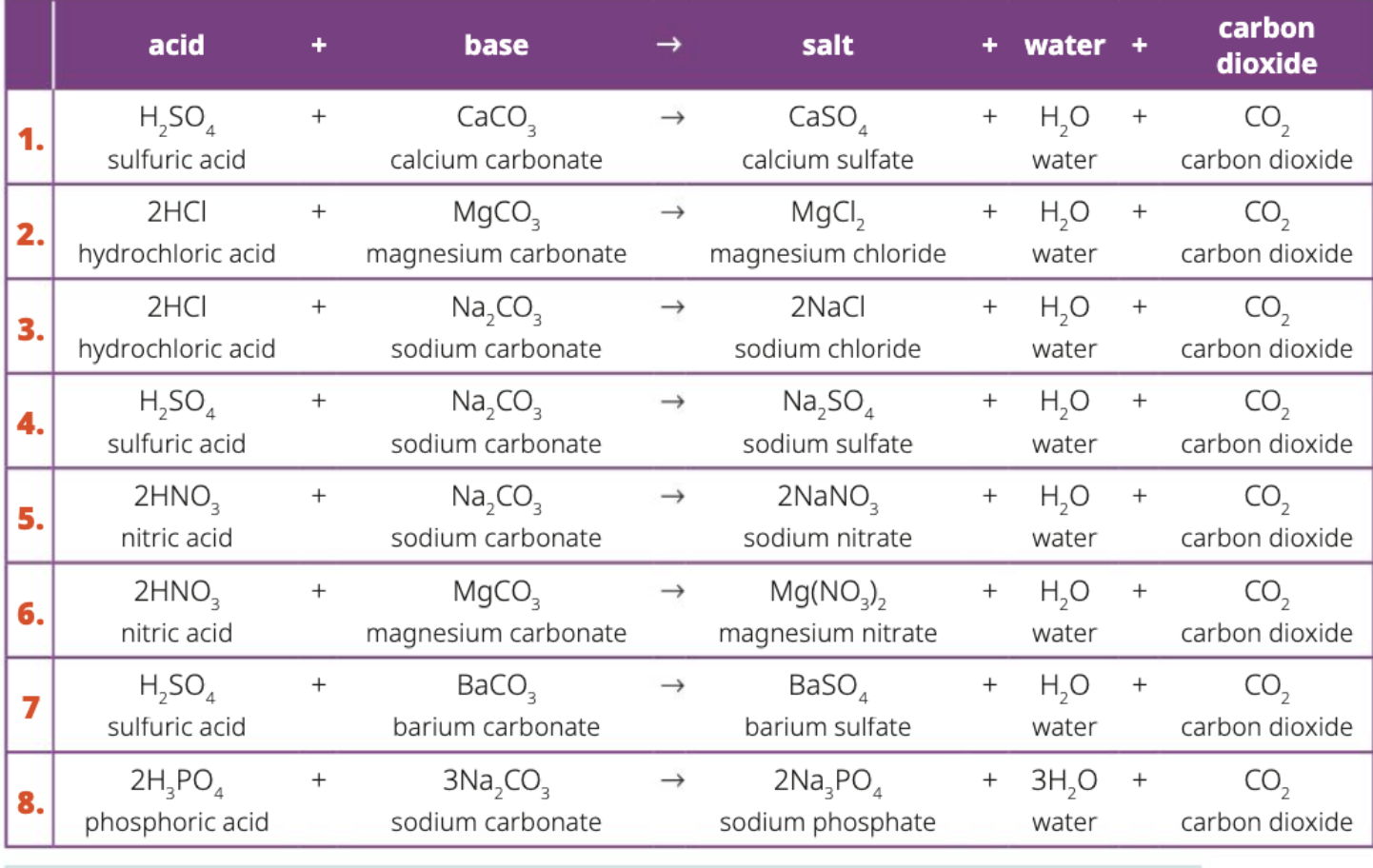
Notice how every reaction produces carbon dioxide as the third product, along with the expected salt and water.
Environmental applications
Limestone and acid rain
Limestone buildings and statues suffer damage from acid rain through this type of reaction:

The sulfuric acid in acid rain reacts with calcium carbonate in limestone, gradually dissolving the stone structure.
Reactions between acids and metals
The general pattern
When acids react with metals, hydrogen gas is produced:

Identifying hydrogen gas
Hydrogen gas can be identified using the "pop test" - when a lighted splint is brought near the gas, it produces a distinctive popping sound as the hydrogen ignites.
Example
Worked Example: Testing for Hydrogen Gas
When magnesium reacts with hydrochloric acid:
Step 1: Collect the gas produced in a test tube
Step 2: Bring a lighted splint to the mouth of the tube
Step 3: Listen for the distinctive "pop" sound
Step 4: A positive pop test confirms hydrogen gas production
Examples of acid-metal reactions
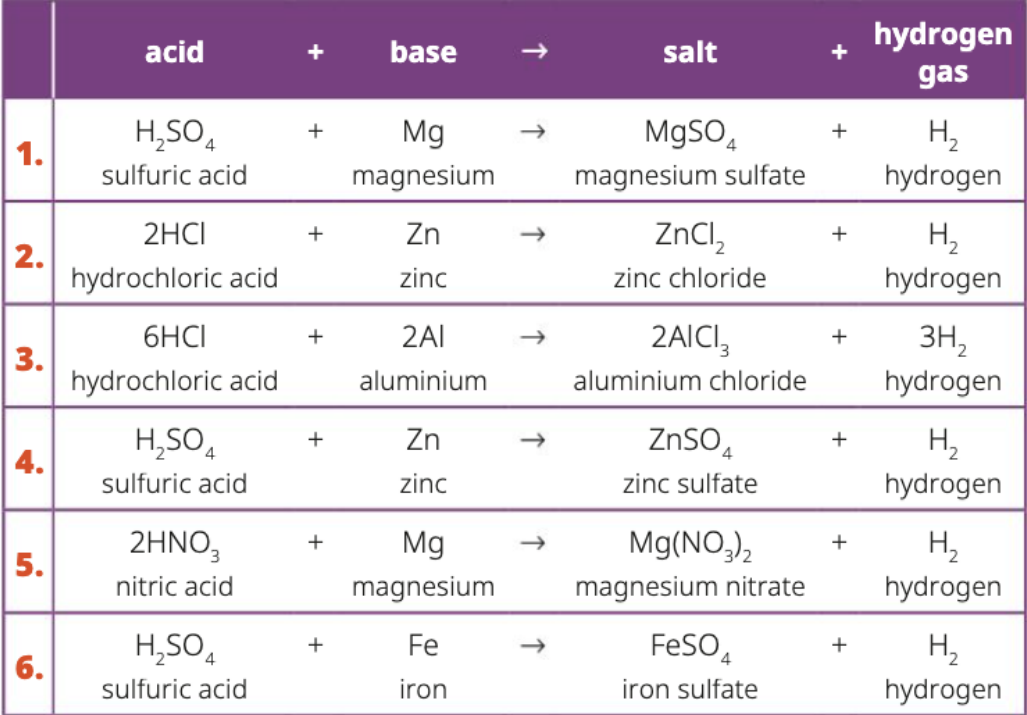
These reactions show how different metals react with various acids, always producing hydrogen gas alongside the metal salt.
Important safety considerations
Important
Safety Warning: Acid-Metal Reactions
Acid-metal reactions can be highly reactive and potentially dangerous:
- Hydrogen gas is flammable and can explode in the right concentrations
- Some metals react very vigorously with acids
- Strong acids like sulfuric acid should never be mixed with reactive metals like sodium or potassium without proper safety precautions
- Always work in well-ventilated areas when producing hydrogen gas
Not all metals react with dilute acids - precious metals like gold and platinum are unreactive and won't produce hydrogen gas.
Everyday examples
These reactions occur in various practical situations:
- Metal corrosion when acidic substances contact metal surfaces
- Laboratory preparation of hydrogen gas
- Industrial metal cleaning processes
Exam tips for success
Summary
Key Points to Remember:
Predicting products:
- Neutralisation: Always salt + water
- Acid-carbonate: Always salt + water + carbon dioxide
- Acid-metal: Always salt + hydrogen gas
Writing balanced equations:
- Count atoms on both sides and adjust coefficients as needed
- Remember that hydrogen gas is H₂, not H
Identifying reaction types:
- Fizzing = carbonate reaction (CO₂ production)
- Pop test positive = metal reaction (H₂ production)
- No gas produced = simple neutralisation
Chemical formulas to memorise:
- Water: H₂O
- Carbon dioxide: CO₂
- Hydrogen gas: H₂
Summary
Summary
Essential Takeaways:
- Neutralisation occurs when acids react with hydroxide bases, producing only salt and water
- Acid-carbonate reactions always produce carbon dioxide gas, causing effervescence
- Acid-metal reactions always produce hydrogen gas, which gives a positive pop test
- All three reaction types produce a salt as one of their products
- These reactions have important practical applications in medicine, agriculture, and environmental protection
- Safety is paramount when working with acid-metal reactions due to hydrogen gas production