The Circus Maximus (Leaving Cert Classical Studies): Revision Notes
📚Revision Notes
The Circus Maximus
Introduction and location
The Circus Maximus was Rome's most spectacular entertainment venue, designed specifically for chariot racing. This massive stadium was strategically built in the valley that lay between two of Rome's most important hills - the Palatine Hill (where the emperor's palace stood) and the Aventine Hill. This location made it easily accessible to Romans from all parts of the city.
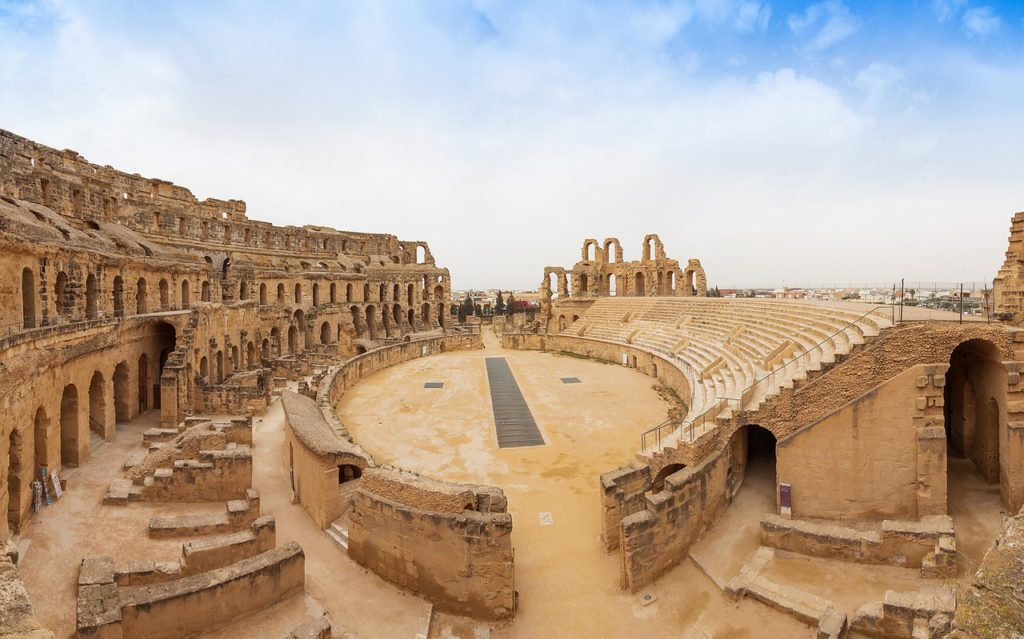
The sheer scale of this ancient stadium is breathtaking - it could accommodate up to 250,000 spectators, making it the largest mass entertainment venue in the entire Roman world.
Note
To put this enormous capacity in perspective, the Circus Maximus could hold roughly five times more people than Wembley Stadium today! This made it not just the largest venue in Rome, but one of the largest gathering places in human history.
Key architectural features
The Circus Maximus featured several distinctive architectural elements that made chariot racing both exciting and organised:
The spina (central barrier)
Running down the centre of the long racetrack was the spina - a decorated central barrier that served multiple purposes. This wasn't just a practical dividing wall, but an elaborate showcase decorated with:
- Obelisks imported from Egypt
- Shrines dedicated to various gods
- Metae - the turning posts at each end where charioteers had to make sharp, dangerous turns
Important
The metae (turning posts) were the most dangerous part of any chariot race. Charioteers had to navigate these tight turns at high speed, often resulting in spectacular crashes that could seriously injure or kill both horses and drivers. These moments created the most excitement for spectators.
The carceres (starting gates)
At one end of the track stood the carceres - a series of starting gates from which the chariots would begin their races. These gates ensured fair starts and added to the dramatic tension as spectators waited for them to open.
Seating arrangements
The stadium featured tiered seating that rose up the valley sides. Initially constructed from wood, these seats were later rebuilt in stone for greater durability and safety. The seating reflected Roman social structure, though it was more mixed than in other venues like the Colosseum.
Imperial box (pulvinar)
Perhaps most significantly, there was a special pulvinar - the imperial box - which was directly connected to the emperor's palace. This allowed the emperor easy access and emphasised his role as the provider of entertainment for the people.
The spectator experience
Atmosphere and audience
The Circus Maximus created a unique atmosphere that was notably different from other Roman entertainment venues. The atmosphere was described as noisy and passionate, with fans becoming deeply invested in the races. Spectators were divided into factions based on the colours worn by different racing teams:
- Reds
- Blues
- Greens
- Whites
These factions created intense rivalries and added to the excitement, with supporters cheering wildly for their chosen teams.
Example
A Typical Race Day Experience:
Imagine arriving at the Circus Maximus on a festival day. You'd join a crowd of up to 250,000 Romans, all cheering for their favourite faction. The day might include 24 separate races, each consisting of seven laps around the spina. Between races, you'd witness the dramatic moment when chariots crashed at the metae, sending crowds into either despair or celebration depending on which team they supported.
Social mixing
Unlike the strictly hierarchical seating at the Colosseum, the Circus Maximus featured more social mixing. While social hierarchy was still reflected in seating arrangements, there was greater interaction between different social classes, making it a genuine social hub where Romans from all backgrounds could mingle.
Types of entertainment
The primary entertainment was chariot racing, with races typically involving seven laps of the track. The venue could host up to 24 races in a single day during major festivals. However, the Circus wasn't limited to racing - it also hosted:
- Religious festivals
- Public processions
- Organised hunts
- Various public gatherings
Political and social significance
State funding and organisation
The Circus Maximus was funded and maintained by the Roman state and successive emperors. This wasn't simply generous public spending - it served crucial political purposes.
Events were typically organised by emperors or magistrates, especially during important festivals like the Ludi Romani (Roman Games). This gave political leaders direct control over one of the most popular forms of public entertainment.
Political motivations
The provision of spectacular entertainment served several key political functions:
Free entertainment for the masses: By providing exciting races at no cost to ordinary Romans, rulers could maintain popular support and prevent social unrest.
Political loyalty and stability: Regular entertainment helped secure the loyalty of the Roman people and contributed to overall political stability in the city.
Display of power and wealth: The scale and luxury of the events demonstrated Rome's power and wealth to both citizens and foreign visitors, reinforcing the empire's prestige.
Important
This concept is perfectly captured in the famous phrase "bread and circuses" - the idea that the Roman people could be kept content with basic food provision and spectacular entertainment. This strategy was essential for maintaining political control over Rome's massive population.
Evidence from ancient writers
Livy's perspective
The historian Livy provides early accounts of chariot races and their religious connections. His writings help us understand how these events were originally linked to religious festivals and Roman traditions.
Ovid's social commentary
The poet Ovid, in his work Ars Amatoria (The Art of Love), presents the Circus as a place for social interaction and romance. He describes how young Romans used race days as opportunities to meet potential partners, highlighting the venue's role as a social meeting place.
Juvenal's criticism
The satirist Juvenal was highly critical of what he saw as the Roman people's obsession with entertainment. His famous quote "The people only want bread and circuses" reflects his disapproval of how Romans seemed to care more about free food and entertainment than serious political engagement.
Historical significance of sources
These different ancient sources reveal how the Circus Maximus functioned as both a political tool for controlling the masses and a vital social hub where Romans could gather, socialise, and escape from daily life.
Note
The variety of perspectives from ancient writers - from Livy's historical documentation to Ovid's romantic observations to Juvenal's social criticism - demonstrates just how central the Circus Maximus was to Roman life. It wasn't just a sports venue, but a crucial part of Roman politics, society, and culture.
Summary
Key Points to Remember:
- The Circus Maximus could hold up to 250,000 spectators, making it the largest entertainment venue in ancient Rome
- Key architectural features included the spina (central barrier), carceres (starting gates), and the imperial pulvinar connected to the emperor's palace
- Chariot racing was the main entertainment, with fans supporting different coloured factions (Reds, Blues, Greens, Whites)
- The venue served crucial political purposes - providing "bread and circuses" to maintain popular support and prevent unrest
- Ancient sources like Livy, Ovid, and Juvenal provide different perspectives on the Circus's role in Roman society, from religious significance to social criticism