Summary (Leaving Cert Classical Studies): Revision Notes
📚Revision Notes
Summary
The Odyssey is structured around Odysseus's long journey home from the Trojan War, spanning 24 books. This epic poem explores themes of loyalty, hospitality (xenia), and divine justice through various interconnected episodes.
The Telemachy (Books 1-4)
The opening section centres on Telemachus, Odysseus's son, who has grown up without his father. This portion establishes the situation in Ithaca and shows Telemachus's development into manhood.
Note
The Telemachy serves as more than just an introduction - it establishes the parallel structure between father and son's journeys, both involving travel, challenges, and personal growth.
Key developments:
- Suitors' abuse of xenia: The suitors are consuming Odysseus's household resources and pressuring Penelope to remarry, violating the sacred Greek principle of hospitality
- Athena's guidance: The goddess inspires Telemachus to take action and search for news of his father
- Telemachus's journey: He travels to Pylos (visiting Nestor) and Sparta (meeting Menelaus and Helen) to gather information about Odysseus
This section demonstrates the young prince's transformation from passive youth to active hero. Telemachus shows his newfound authority when he tells Penelope: "Mother, go back to your quarters... as for giving orders, men will see to that."
Odysseus' adventures (Books 5-12)
After seven years trapped on Calypso's island, Odysseus is finally released and welcomed by the Phaeacians, to whom he recounts his extraordinary adventures:
The Lotus-Eaters: Odysseus encounters people who eat lotus flowers, which cause forgetfulness and remove the desire to return home. This represents the temptation to abandon one's responsibilities.
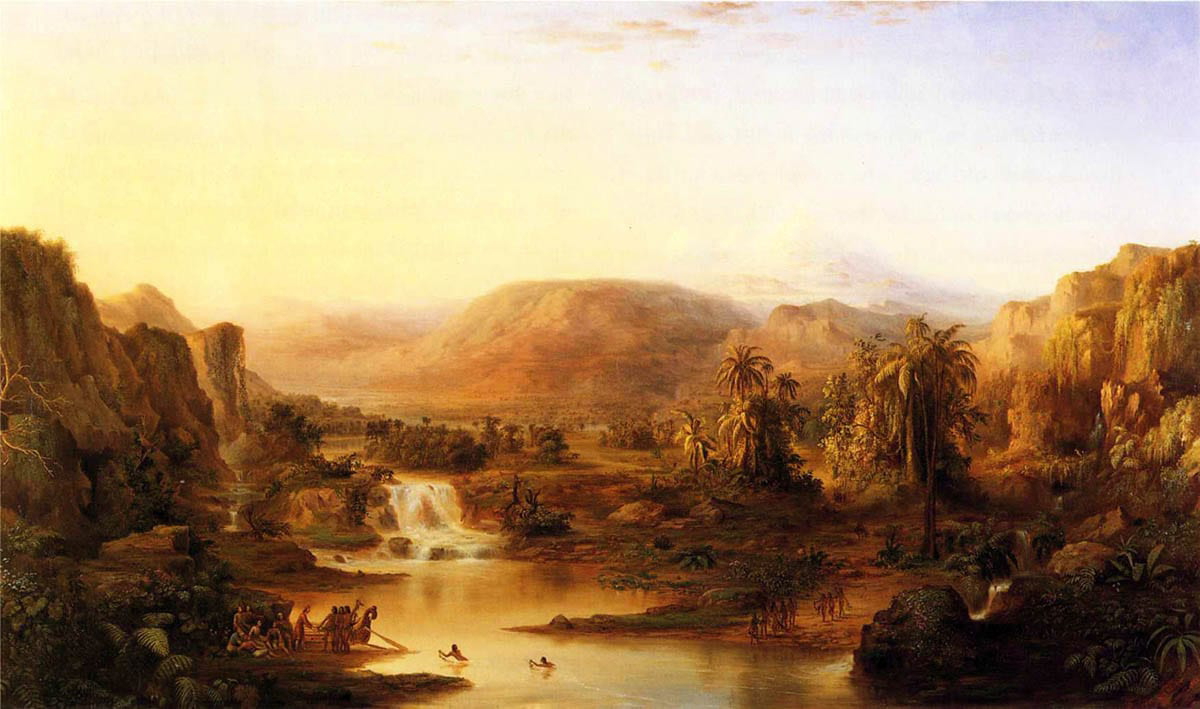
Cyclops (Polyphemus): Odysseus demonstrates both cunning and dangerous pride in his encounter with the one-eyed giant. His cleverness saves his men, but his boastful revelation of his identity brings Poseidon's wrath upon him. Polyphemus shows his contempt for the gods: "We Cyclopes care nothing for Zeus with his aegis..."
Example
Worked Example: The Cyclops Episode as Character Study
Step 1: Odysseus shows intelligence by devising the "Nobody" trick Step 2: He demonstrates leadership by saving his men from the cave Step 3: His fatal flaw (hubris) emerges when he reveals his true name Step 4: This pride brings divine punishment from Poseidon
This episode perfectly illustrates how Homer uses adventures to reveal character complexity.
Aeolus: The god of winds gives Odysseus a bag containing adverse winds, but the crew's foolishness in opening it destroys their chance of reaching home quickly.
Laestrygonians: These destructive giants destroy most of Odysseus's fleet, leaving only his own ship.
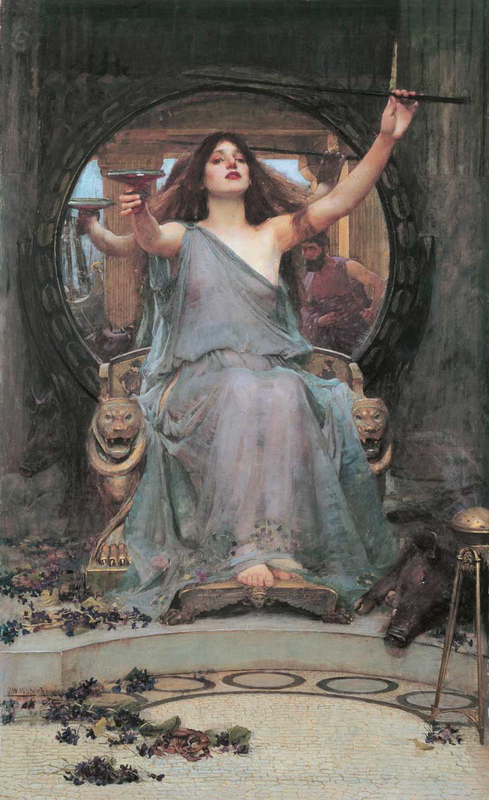
Circe: The witch initially turns Odysseus's men into pigs but becomes an ally, providing crucial guidance for the journey ahead.
The Underworld (Book 11): Odysseus visits the realm of the dead, where he meets great heroes like Tiresias, Agamemnon, and Achilles. This episode provides prophecy and wisdom for his journey.
Sirens, Scylla & Charybdis: These represent the perils of the sea - the Sirens' deadly song, the six-headed monster Scylla, and the whirlpool Charybdis force Odysseus to make difficult choices.
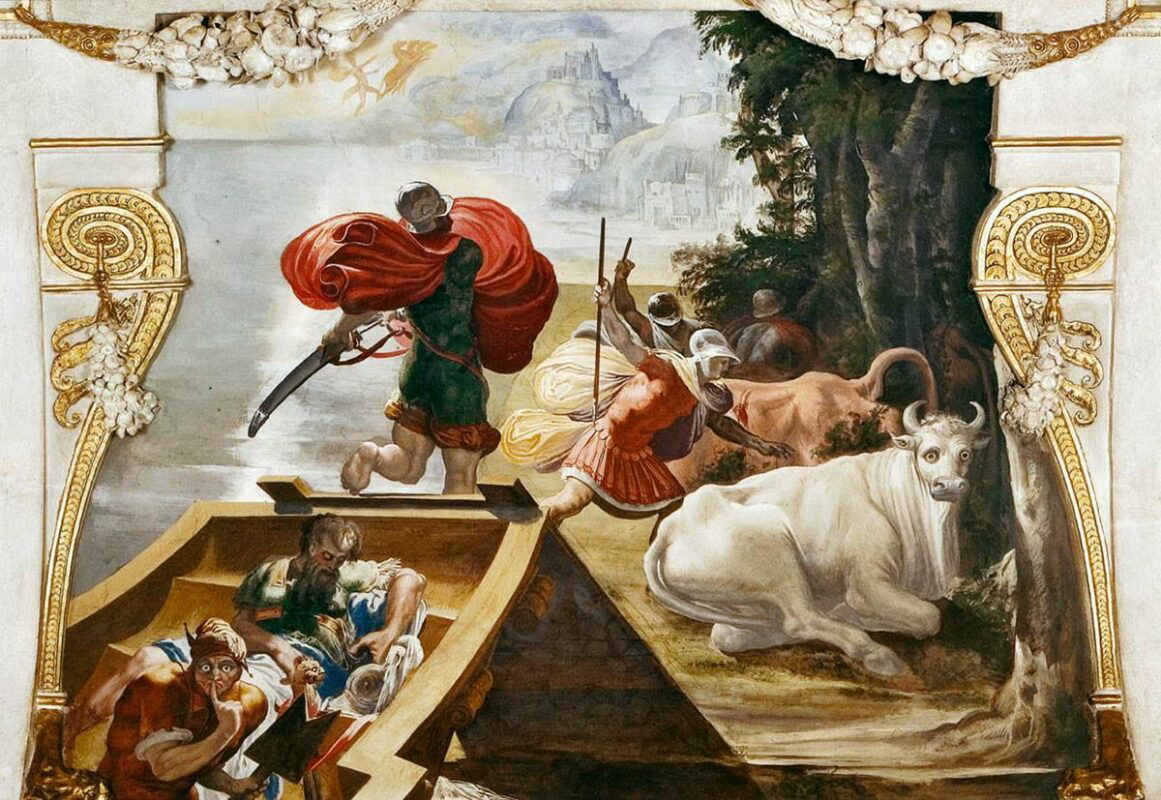
Helios's Cattle: Despite warnings, the crew disobeys and eats the sacred cattle, resulting in their destruction. Only Odysseus survives, washing up on Calypso's island.
Important
Notice how each adventure tests different aspects of heroism - intelligence, leadership, self-control, and respect for divine authority. The crew's failure with Helios's cattle demonstrates the consequences of disobeying divine commands.
Return to Ithaca (Books 13-16)
Odysseus finally reaches home but must proceed carefully to reclaim his position:
Divine assistance: Athena helps Odysseus return disguised as a beggar, allowing him to assess the situation without revealing his identity.
Eumaeus the swineherd: Odysseus stays with this loyal servant, who demonstrates proper xenia despite the stranger's humble appearance. Eumaeus wisely states: "Stranger, it is wrong to send a stranger packing... all strangers and beggars come from Zeus."
Father-son reunion: Odysseus reveals himself to Telemachus in an emotional recognition scene, and together they begin planning revenge against the suitors.
This section emphasises themes of loyalty and proper treatment of strangers, contrasting the faithful servants with the corrupt suitors.
The recognition and revenge (Books 17-22)
The climactic section builds tension as Odysseus infiltrates his own palace:
Testing loyalty: Disguised as a beggar, Odysseus endures humiliation from the suitors and disloyalty from some servants, whilst being aided by faithful ones like Eumaeus and Eurycleia.
Example
Worked Example: The Bow Contest as Plot Device
Step 1: Penelope sets an impossible task - string Odysseus's bow and shoot through twelve axe heads Step 2: The suitors fail, demonstrating their unworthiness Step 3: Odysseus (still disguised) requests to try the bow Step 4: He accomplishes the task effortlessly, proving his identity and right to rule
This scene combines recognition, proof of identity, and preparation for revenge in a single dramatic moment.
The bow contest: Penelope announces that whoever can string Odysseus's bow and shoot an arrow through twelve axe heads will win her hand. This test seems impossible for the suitors but is easily accomplished by the disguised hero.
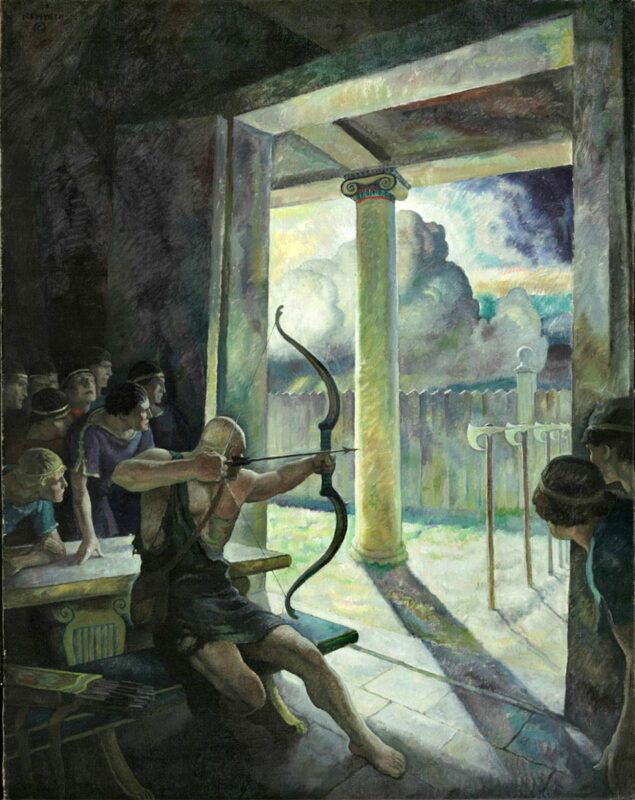
The massacre: Once Odysseus reveals his identity, he and Telemachus systematically kill all the suitors. The violence is swift and merciless: "Odysseus aimed and shot Antinous in the throat... the cup fell from his hand."
This section demonstrates divine justice - the suitors' violations of xenia and their abuse of Odysseus's household are finally punished.
Reunion and resolution (Books 23-24)
The final section resolves the epic's conflicts:
The bed trick: Penelope tests Odysseus with a reference to their marriage bed, which only he would know cannot be moved. This proves his identity beyond doubt. She acknowledges: "This secret sign of our bed is known to us alone."
Recognition by Laertes: Odysseus's father finally recognises his son, completing the family reunion.
Divine intervention: Athena intervenes to end the cycle of revenge, bringing peace between Odysseus and the families of the slain suitors.
Note
The multiple recognition scenes serve different purposes: Telemachus (planning), Eurycleia (domestic loyalty), Penelope (marital bond), and Laertes (paternal connection). Each tests a different relationship and aspect of Odysseus's identity.
Exam tips
Important
Essential Study Strategies for The Odyssey:
Link episodes to themes: Don't simply retell the story. Connect specific episodes to major themes like xenia (hospitality), loyalty, divine justice, and nostos (homecoming).
Learn key quotes: Memorise 2-3 important quotations from each section for quick reference in essays. These provide excellent textual evidence.
Understand the Telemachy connection: Be prepared to explain how Telemachus's journey parallels his father's - both involve travel, challenges, and growth towards maturity.
Focus on recognition scenes: The meetings between Odysseus and various characters (Telemachus, Eurycleia, Penelope, Laertes) are frequently examined topics.
Use episodes to analyse character: Support arguments about characters and Greek values by referencing specific adventures and encounters from the text.
Remember!
Summary
Key Points to Remember:
- The Odyssey follows a clear five-part structure chronicling Odysseus's journey home and its consequences
- Recognition scenes between family members are central to the epic's emotional impact
- The contrast between loyal and disloyal characters illustrates Greek values about proper behaviour
- Divine justice ultimately prevails - those who violate xenia and other sacred principles are punished
- Telemachus's parallel journey shows his growth from boy to man, mirroring his father's heroic qualities