Fatigue Testing (Leaving Cert Engineering): Revision Notes
📚Revision Notes
Fatigue Testing
What is fatigue testing?
Fatigue refers to the ability of a material to resist failure when subjected to repeated loading over an extended period. This type of failure is particularly concerning in engineering because it can be unpredictable and occurs even when the applied loads are well below the material's ultimate strength.
Fatigue testing is a destructive testing method used to simulate the real-world conditions that materials experience during their service life. Engineers use this testing to predict how long a component will last under repeated loading conditions.
Note
Fatigue failure is one of the most common causes of mechanical failure in engineering structures, accounting for approximately 80-90% of all structural failures in metals.
Why is fatigue testing important?
Fatigue failure is extremely common in engineering applications and can sometimes occur without warning. Many engineering components experience repeated loading during normal operation:
- Aircraft wings flex repeatedly during flight
- Car suspension systems experience constant loading from road conditions
- Bridge structures face repeated loading from traffic
- Rotating machinery parts undergo cyclic stresses
Because fatigue failure can be unpredictable, engineers need to understand how materials behave under these conditions before designing critical components.
Important
Critical Safety Concern: Fatigue failure can occur suddenly and without visible warning signs, making it essential to understand a material's fatigue properties before using it in critical applications.
How fatigue testing works
The basic principle of fatigue testing involves subjecting a test specimen to repeated loading cycles until failure occurs. Here's how the process works:
Test setup
- A test specimen is mounted in a testing machine
- The specimen is subjected to a controlled, repeated load
- The load is typically applied in a cyclic pattern (loading and unloading)
Testing process
- The specimen is repeatedly bent or loaded at a set force level
- Engineers count the number of loading cycles the material can withstand
- Testing continues until the component fractures or shows signs of failure
- The relationship between applied load and number of cycles to failure is recorded
Note
The testing process can take hours to weeks depending on the material and load levels being tested. Some materials may withstand millions of cycles before failure occurs.
Key measurements
- Load level - the magnitude of force applied during each cycle
- Number of cycles - how many loading cycles occur before failure
- Failure mode - how and where the material eventually fails
Applications and benefits
Engineers can modify fatigue tests to match the expected usage conditions of their specific components. This allows them to:
- Predict component lifespan under real operating conditions
- Compare different materials for the same application
- Optimise component design to resist fatigue failure
- Set maintenance schedules based on predicted fatigue life
- Ensure safety margins in critical applications
Note
Modern fatigue testing can simulate various real-world conditions including different temperatures, environmental conditions, and complex loading patterns to provide more accurate predictions of component performance.
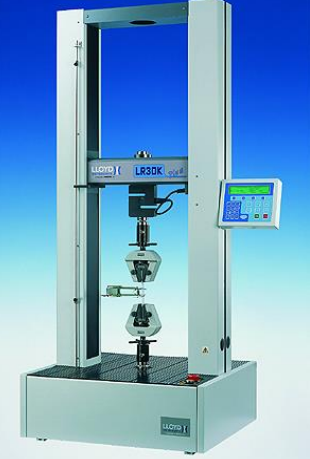
Modern testing equipment, such as universal testing machines, can be configured to perform various types of mechanical testing including fatigue testing with precise control over loading conditions.
Summary
Key Points to Remember:
- Fatigue testing simulates repeated loading to predict when materials will fail under cyclic conditions
- This testing is crucial because fatigue failure can occur unexpectedly, even at loads below the material's normal strength
- The test involves counting cycles to failure under controlled repeated loading
- Engineers can adjust test conditions to match real-world usage patterns
- Results help predict component lifespan and improve design safety