Visual Inspection (Leaving Cert Engineering): Revision Notes
📚Revision Notes
Visual Inspection
Visual inspection represents the most fundamental and crucial form of non-destructive testing (NDT). This testing method allows engineers to locate both surface and internal flaws in engineered components without causing damage to the parts being examined. These flaws may include cracks, voids, or inclusions that could lead to premature component failure, making visual inspection essential for safety-critical applications, particularly in the aerospace industry.
Understanding visual inspection methods
Visual inspection encompasses two main categories of examination techniques, each serving different purposes and offering distinct advantages in quality assurance procedures.
Note
Visual inspection is divided into two primary methods: macroscopic inspection (using the naked eye) and microscopic inspection (using magnification). Understanding when to apply each method is crucial for effective quality control.
Macroscopic inspection
Macroscopic inspection relies on natural human vision with minimal or no magnification assistance. This approach forms the backbone of quality control in manufacturing industries.

During macroscopic examination, inspectors use their naked eye to identify obvious manufacturing defects. These defects commonly include missing fasteners such as nuts, bolts, or rivets, as well as evidence of poor workmanship. The examination process serves as a critical first line of defence against faulty products reaching the market.
Example
Practical Application: Aircraft Pre-flight Inspection
Step 1: Visual examination of exterior surfaces for obvious damage Step 2: Check for missing or loose fasteners on panels Step 3: Inspect for signs of fluid leaks or corrosion Step 4: Verify proper installation of all external components
This macroscopic inspection can be completed quickly but identifies critical safety issues before flight.
The primary benefits of macroscopic inspection include:
- Speed and efficiency - Quick visual assessment of large components
- Cost-effectiveness - No special equipment required beyond good lighting
- Immediate results - Defects identified instantly during examination
- Wide applicability - Suitable for various component sizes and materials
This method proves particularly valuable in production environments where rapid quality checks are essential to maintain manufacturing schedules while ensuring product standards.
Microscopic inspection
When detailed examination of materials is required, microscopic inspection becomes necessary. This technique employs microscopes with high magnification capabilities to reveal defects invisible to the human eye.
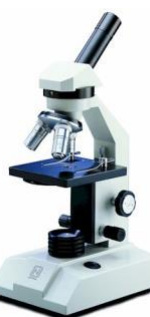
Microscopic examination enables engineers to locate tiny surface cracks or flaws that would otherwise go undetected. This enhanced visibility proves invaluable when examining critical components where even minute defects could compromise safety or performance.
The technique offers several advantages:
- Enhanced detection capability - Reveals microscopic surface irregularities
- Precision examination - Allows detailed assessment of small components
- Quality verification - Confirms integrity of precision-manufactured parts
Important
Limitation Alert: Time Considerations
While microscopic inspection is highly effective for examining small components, the method becomes very time-consuming when applied to larger items. This time factor must be carefully considered when planning inspection schedules and determining cost-effectiveness for different component sizes.
The choice between macroscopic and microscopic inspection often depends on the component's intended application, size, and the level of detail required for safety verification.
Summary
Key Points to Remember:
- Visual inspection is the most fundamental form of NDT, serving as the first line of defence against component failure
- Macroscopic inspection uses the naked eye to quickly identify obvious manufacturing defects and poor workmanship
- Microscopic inspection employs high magnification to detect tiny surface flaws invisible to natural vision
- Both methods are essential for maintaining safety standards, particularly in aerospace applications where component failure could have serious consequences
- The choice of inspection method depends on component size, required detail level, and time constraints