Life Cycle of a Volcano (Leaving Cert Geography): Revision Notes
📚Revision Notes
Life Cycle of a Volcano
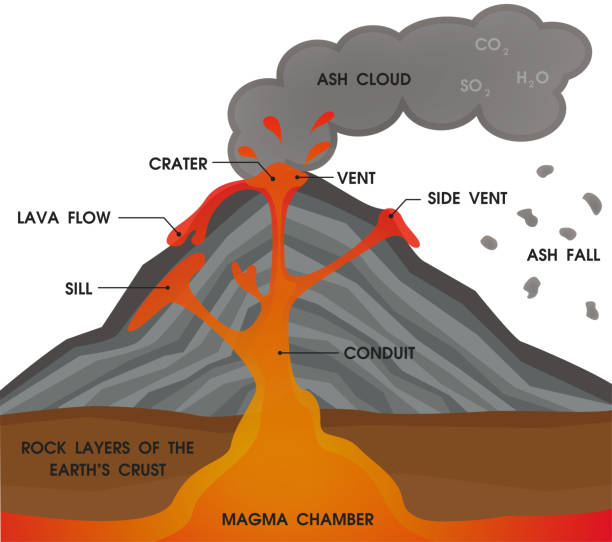
Volcanoes are not static features - they change over time, moving through different stages of activity during their lifetime. Understanding the life cycle of a volcano helps us classify them and predict their future behaviour.
Note
Volcanic prediction is a complex science that combines geological monitoring, historical data, and understanding of each volcano's unique characteristics and life cycle stage.
The three stages of volcanic life cycle
All volcanoes can be categorised into one of three main stages based on their current level of activity. These stages represent different points in a volcano's life cycle, from active and dangerous to completely inactive.
Active volcanoes
Important
An active volcano is one that has erupted recently, is currently erupting, or is expected to erupt again in the near future.
Active volcanoes represent the most energetic stage of the volcanic life cycle. These volcanoes still have a strong connection to their magma source deep underground, allowing them to erupt regularly. The timeframe for "recent" activity varies, but generally refers to eruptions within recorded human history.
Key characteristics of active volcanoes:
- Regular eruption patterns
- Strong magma supply from below
- Ongoing geological activity
- Pose immediate risks to nearby populations
Example
Case Study Examples: Active Volcanoes
Mount Etna, Sicily - One of the world's most active volcanoes, erupting frequently with spectacular displays that can be seen for miles.
Mount Vesuvius, Italy - Famous for its destruction of Pompeii in 79 AD and still considered active today, with its last major eruption occurring in 1944.
Dormant volcanoes
Important
A dormant volcano (also called "sleeping" volcanoes) has not erupted in recent history, but scientists believe it could become active again in the future.
Dormant volcanoes represent a middle stage in the volcanic life cycle. While they appear inactive now, they still maintain a connection to magma sources underground. This means they retain the potential to "wake up" and become active again, sometimes after thousands of years of inactivity.
Key characteristics of dormant volcanoes:
- No recent eruptions but magma supply still present
- Long periods between eruptions (hundreds to thousands of years)
- Still monitored by scientists for signs of renewed activity
- Can become active again with little warning
Example
Case Study Examples: Dormant Volcanoes
Parcutín, Mexico - A dormant volcano that scientists believe could erupt again, representing the unpredictable nature of volcanic reactivation.
Yellowstone Supervolcano, USA - Estimated to erupt approximately once every 700,000 years, making it one of the world's most closely monitored dormant volcanic systems.
Extinct volcanoes
Important
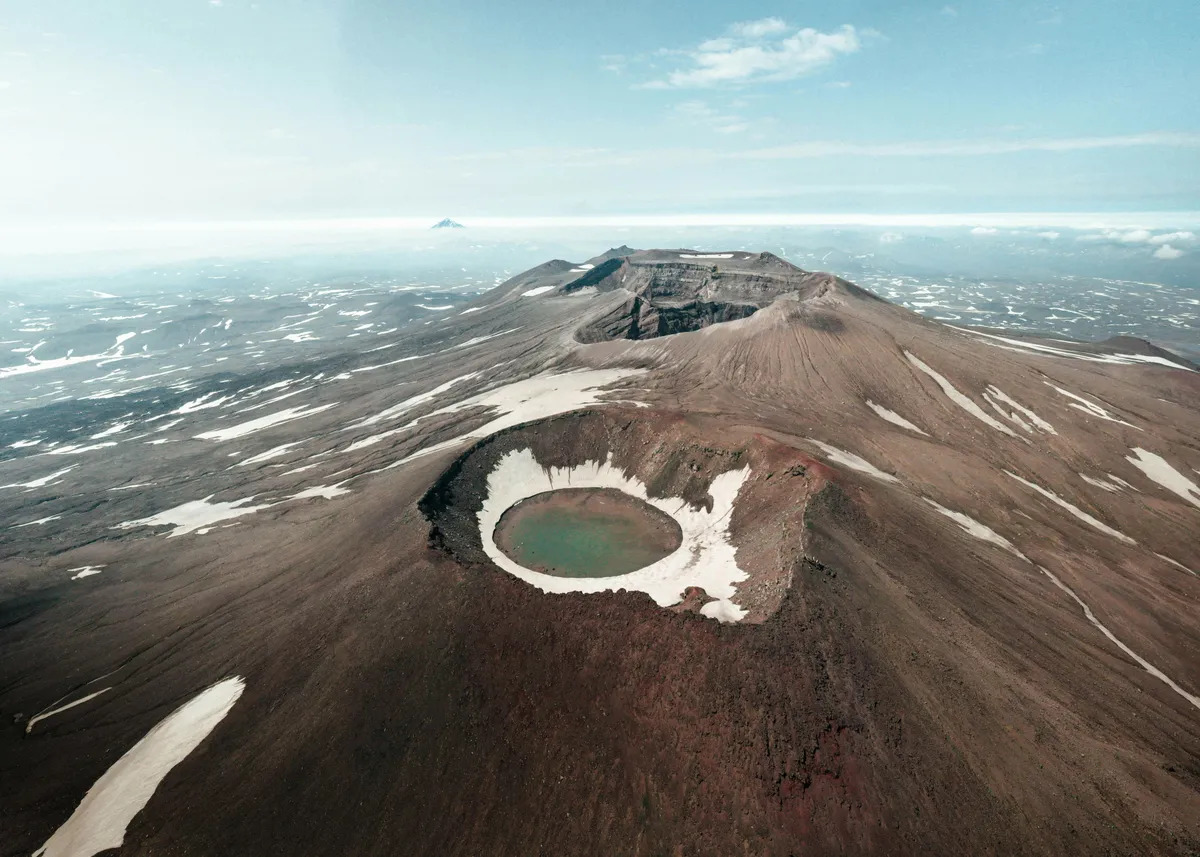
An extinct volcano has not erupted in recorded history (over 2,000 years) and is not expected to erupt again because it no longer has a magma supply.
Extinct volcanoes represent the final stage of the volcanic life cycle. These volcanoes have lost their connection to active magma sources, often due to changes in the Earth's tectonic plates or the cooling of underground magma chambers. Without a magma supply, they cannot erupt again.
Key characteristics of extinct volcanoes:
- No eruptions in over 2,000 years
- No longer connected to active magma sources
- Often result from tectonic plate movement
- Safe for human settlement and development
Example
Case Study Examples: Extinct Volcanoes
Slemish, Co. Antrim, Northern Ireland - An extinct volcano that was active millions of years ago but ceased erupting as Ireland moved away from its original position on a plate boundary approximately 15 million years ago.
Lambay Island, off Ireland's east coast - Formed by volcanic activity that is now completely extinct, demonstrating how geological time scales affect volcanic life cycles.
Why volcanoes change over time
The life cycle of a volcano is closely linked to geological processes happening deep beneath the Earth's surface. As tectonic plates move and shift over millions of years, volcanoes can lose their connection to magma sources. Additionally, magma chambers can cool and solidify over time, cutting off the supply needed for eruptions.
Note
Tectonic plate movement occurs at a rate of only a few centimetres per year, but over millions of years, this movement can completely separate a volcano from its original magma source, leading to extinction.
This means that what starts as an active, dangerous volcano can eventually become a dormant feature, and ultimately an extinct geological formation that poses no threat to human populations.
Summary
Key Points to Remember:
- Volcanoes progress through three main stages: active, dormant, and extinct
- Active volcanoes erupt regularly and pose immediate dangers to nearby areas
- Dormant volcanoes haven't erupted recently but could become active again in the future
- Extinct volcanoes have lost their magma supply and will not erupt again
- The life cycle is driven by changes in tectonic plates and underground magma sources over millions of years