An Interdependent Global Economy (Leaving Cert Geography): Revision Notes
📚Revision Notes
Deforestation - Global Environmental Issues
What is deforestation?
Deforestation is the large-scale removal of forests to make space for human activities, agriculture, animal grazing, and to obtain raw materials for fuel, manufacturing and construction. This practice has dramatically changed landscapes worldwide over many centuries.
The scale of historical deforestation is striking. Around 2,000 years ago, approximately 80 per cent of western Europe was covered by forests. Today, this figure has dropped to just 34 per cent, showing how human development has transformed entire continents.
Note
This dramatic reduction in European forest cover demonstrates that deforestation is not a new phenomenon. However, the rate and scale of modern deforestation, particularly in tropical regions, far exceeds historical patterns and poses unprecedented environmental challenges.
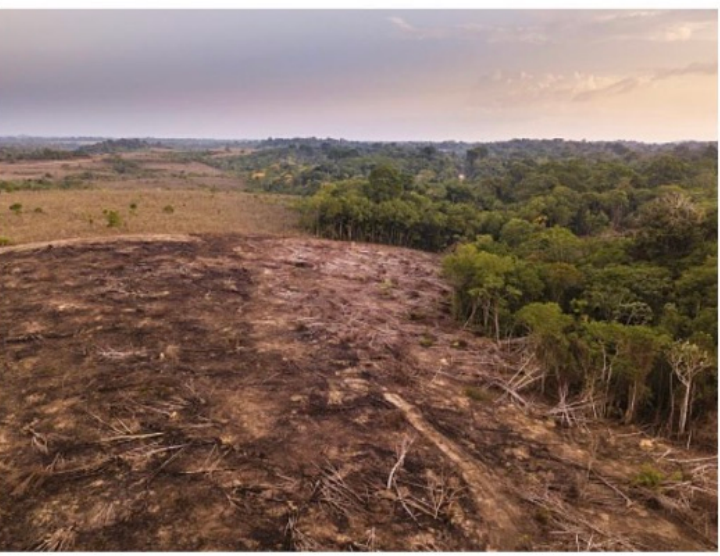
Currently, the most severe deforestation occurs in tropical rainforests. The Amazon Rainforest in Brazil represents the most significant example, having faced intensive deforestation since the 1970s. Between 1978 and 2022, approximately 761,000 square kilometres of Amazon forest were cleared - an area larger than the size of Turkey. The rate of destruction continues to accelerate, with 2020 alone seeing 11,088 square kilometres deforested, representing a 9.5 per cent increase from the previous year.
Causes of deforestation
There are four main drivers of deforestation in today's global economy: global demand for timber, expansion of urban areas and settlement, intensive agricultural practices, and industrial development.
Global demand for timber
The global timber and wood product market was valued at $626 billion in 2022, creating enormous pressure on forest resources. This demand is met through logging - the commercial process of cutting down trees for timber extraction.
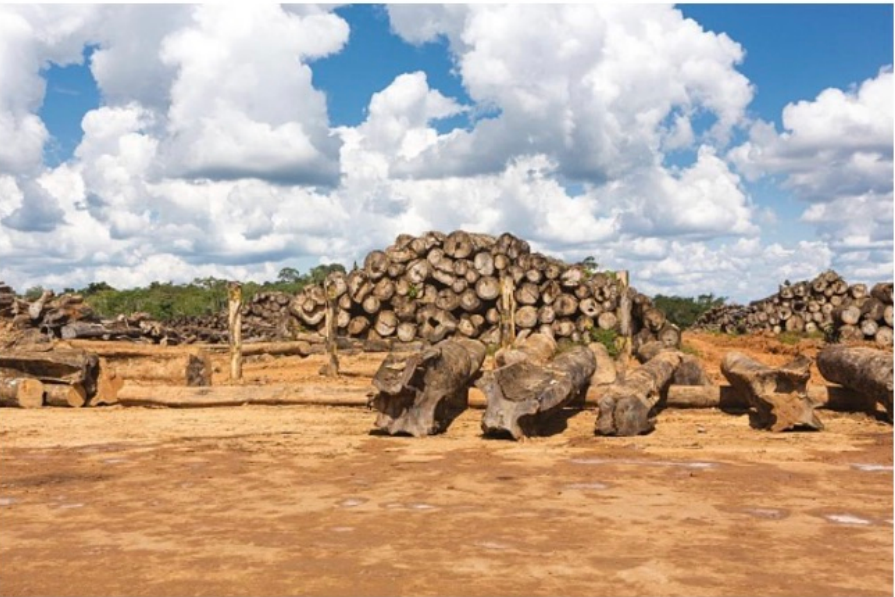
Large areas of the Amazon Rainforest are cleared to supply global wood product markets. However, illegal logging represents a major problem, accounting for an estimated 50 to 90 per cent of all logging activities in the Amazon. These illegal operations often involve bribery, corruption, and deliberately breaking environmental regulations, leading to unsustainable and destructive exploitation of the rainforest.
Important
Illegal Logging Crisis Studies from the late 1990s found that 80 per cent of all logging in the Amazon was illegal, with 12 out of 13 investigated companies having broken the law. This represents one of the most significant threats to rainforest conservation efforts.
The scale of illegal logging is evident from enforcement actions. In March 2021, Brazilian police conducted their largest ever seizure of illegal timber, recovering 226,000 cubic metres of wood on the border between Amazonas and Pará states.
Expansion of urban areas and settlement
Rapid population growth creates pressure for new housing and livelihoods, leading people to seek opportunities in forested areas. Brazil's population has grown to over 215 million people, making it the seventh most populous country globally. This growing population increases demand for land and resources, resulting in settlement expansion into the Amazon Rainforest.
The Amazon's abundant natural resources and fertile land make it attractive for settlement. As populations expand, people clear large sections of rainforest for housing and livelihood opportunities, causing intensive deforestation.
Example
Case Study: Rondônia State Colonisation
In the 1970s, the Brazilian government implemented policies encouraging settlement and economic development in Rondônia state. Large numbers of people migrated to the region seeking agricultural and cattle ranching opportunities.
Results:
- Vast rainforest areas were cleared for settlements, roads and agricultural activities
- Between 2001 and 2021, Rondônia experienced a 25 per cent decrease in tree cover
- Became one of the states with the highest deforestation rates in the Amazon
Intensive agricultural practices
Intensive agricultural practices involve farming methods designed to maximise productivity and yields within limited land areas. Two types of intensive agriculture are causing widespread tropical rainforest deforestation: cattle ranching and cash crop farming.
Cattle ranching represents the major driver of Amazon deforestation. Approximately 80 per cent of Amazon deforestation is linked to cattle ranching operations. Brazil operates one of the world's largest beef industries, with continuing rising demand for beef products. Expanding cattle ranching requires clearing vast rainforest areas to create grazing pastures.
Large-scale cattle ranching operations need significant land for pasture, resulting in millions of hectares of Amazon Rainforest being cleared. Pará state exemplifies this impact - between 1978 and 2022, it lost over 270,000 square kilometres of forest due to cattle ranching, an area larger than the United Kingdom.
Cash crop farming, particularly soybean production, significantly impacts deforestation across Brazil and the Amazon Rainforest. Global soybean demand has increased due to their use in animal feed, vegetable oils and biofuels. Consequently, vast rainforest areas have been cleared to establish soybean plantations.
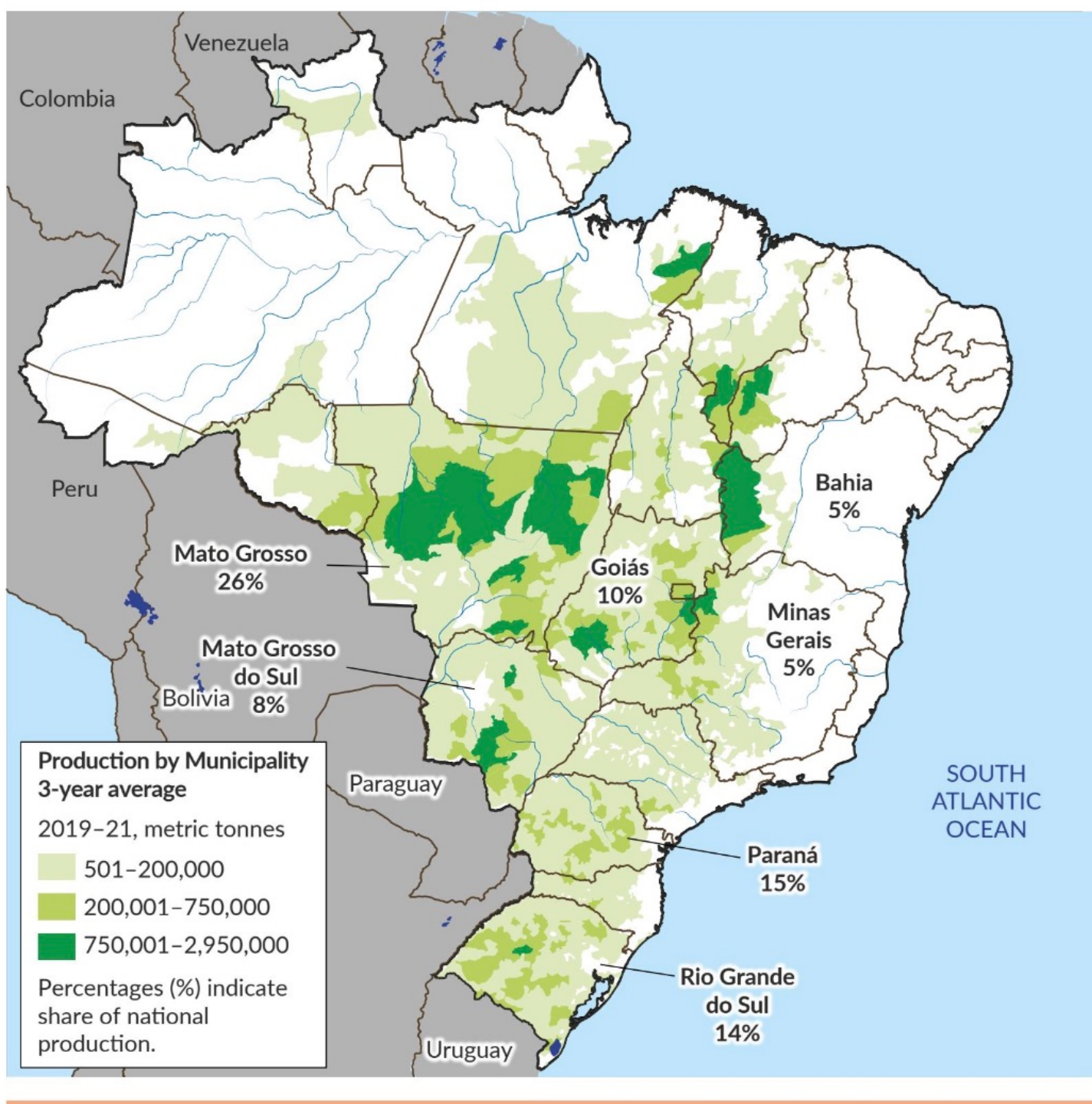
Example
Case Study: Mato Grosso Soybean Production
Mato Grosso state serves as a key example of soybean-driven deforestation:
Key Statistics:
- Produces approximately 26 per cent of Brazil's total soybean production
- Plantation sizes have increased over the past decade
- Between 2001 and 2019, lost 22 per cent of its tree cover as soybean operations expanded
- Annual soil erosion rates reach 100 tonnes per hectare in some areas
Industrial development
Mining activities in the Amazon Rainforest create significant deforestation impacts. Mineral and precious metal extraction has become a major deforestation driver, resulting in severe environmental and social consequences.
Mining operations require clearing large forest areas to access underground mineral deposits. Heavy machinery and equipment are used to excavate and process minerals, destroying trees and vegetation while disrupting natural habitats. Additionally, mining often necessitates constructing roads, infrastructure and settlements, further contributing to deforestation and land degradation.
Note
Between 2005 and 2022, mining-related activities accounted for approximately 9 per cent of deforestation in the Brazilian Amazon. The rate of illegal mining-related deforestation increased by more than 90 per cent from 2017 to 2022, showing the escalating scale of this problem.
Impact of deforestation
Deforestation creates four main observable impacts: loss of carbon sinks, disruption to the water cycle, loss of soil fertility, and loss of biodiversity.
Loss of a carbon sink
The Amazon Rainforest is often called the 'lungs of the Earth' due to its crucial role in mitigating climate change through its capacity to absorb and store massive amounts of carbon dioxide (CO₂). Areas performing this vital function are known as 'carbon sinks'.
The Amazon's vast expanse houses diverse plant life. Trees particularly absorb CO₂ during photosynthesis and store it as carbon within their biomass and soils. The Amazon Rainforest stores an estimated 140-150 billion metric tonnes of carbon, making it one of the planet's largest carbon sinks.
Note
The Greenhouse Effect Process
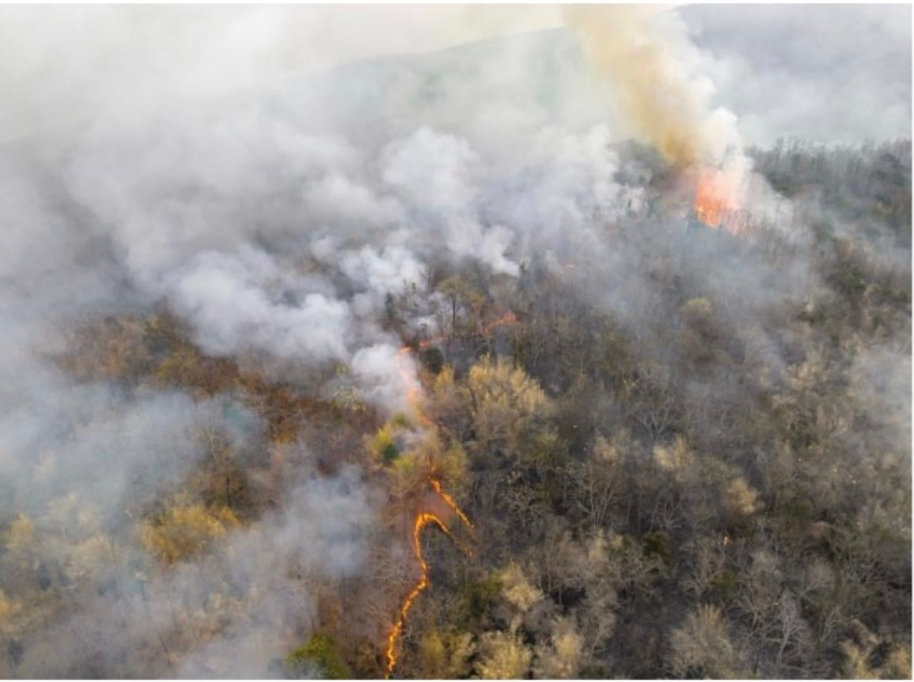
When trees are felled, stored carbon is released back into the atmosphere as CO₂ through decomposition and burning processes. This contributes to the greenhouse effect and accelerates climate change. Increasing atmospheric CO₂ concentrations trap heat, causing global temperatures to rise.
Tree loss in the Amazon Rainforest directly impacts the region's carbon sequestration ability. Rising temperatures result in more extreme weather events, including hurricanes, droughts and floods, affecting both local and global communities.
Disruption to the water cycle
Amazon Rainforest deforestation profoundly impacts the water cycle by disrupting the delicate balance of precipitation and evapotranspiration.
The Amazon Rainforest significantly drives the global water cycle. This vast tree expanse acts as a natural pump, influencing water movement and distribution regionally and beyond. The rainforest plays a crucial role in attracting moisture from the Atlantic Ocean, creating a 'flying river' effect. It contributes an estimated 25-30 per cent of total rainfall in some South American areas.
Note
Understanding Evapotranspiration
Evapotranspiration refers to the combined water loss through both soil evaporation and plant transpiration. Rainforest trees have extensive leaf surfaces that release moisture into the atmosphere through transpiration. This moisture contributes to cloud formation and subsequent rainfall.
When deforestation occurs, the natural landscape changes, affecting evapotranspiration processes. However, deforestation reduces evapotranspiration by removing trees and vegetation, leading to decreased local and regional rainfall.
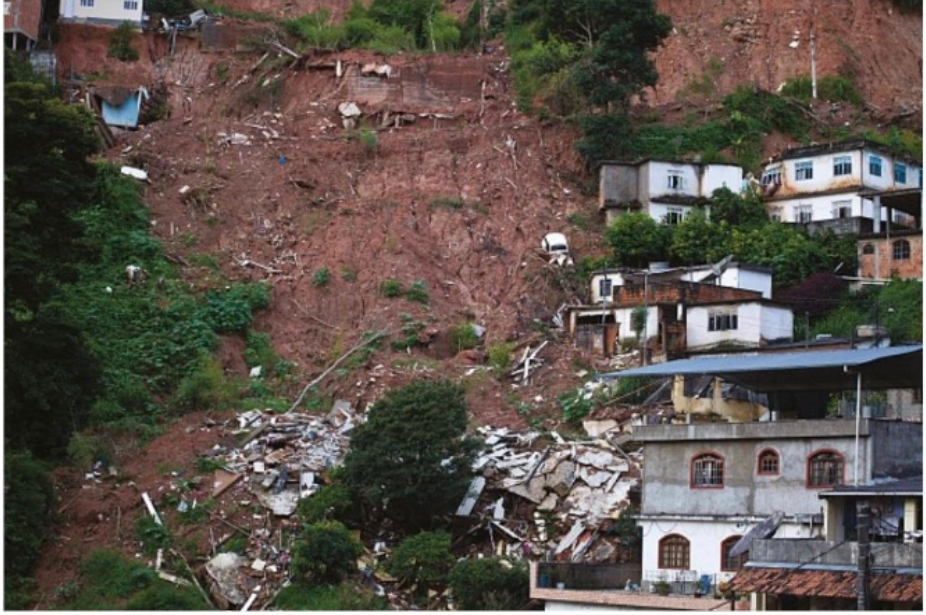
Deforestation's water cycle impact extends beyond reduced rainfall. Tree removal disrupts the natural balance of water absorption and retention. Trees act as natural sponges, absorbing and storing water in their root systems and releasing it slowly into soil and atmosphere. With deforestation, the land's water retention ability is compromised, leading to increased runoff and flood risk during heavy rainfall events.
Important
Climate Pattern Changes
Research suggests that Amazon deforestation can influence rainy season timing, leading to shorter duration and potentially more severe dry spells. This could increase mass movement events in Brazil, as already observed in Petrópolis.
Loss of soil fertility
Amazon Rainforest deforestation severely impacts soil erosion and soil fertility, affecting long-term land health and productivity.
The Amazon Rainforest features dense vegetation cover that plays a vital role in preventing soil erosion. Trees with extensive root systems hold soil in place, reducing erosion risk from wind and water. However, when deforestation removes trees, the protective barrier against erosion is lost.
Tree removal leaves soil exposed and vulnerable to wind and rain erosion. Erosion impact is twofold:
- First, nutrient-rich topsoil erodes, leading to soil fertility loss. This fertility loss reduces the soil's capacity to support agricultural activities and sustain healthy plant growth
- Second, soil erosion carries eroded sediments downstream, potentially clogging rivers and streams, impacting water quality and aquatic ecosystems
Note
Sedimentation in water bodies reduces light penetration and oxygen levels, affecting aquatic plant and animal survival. This creates a cascade effect that impacts entire aquatic ecosystems beyond the immediate deforestation area.
Mato Grosso state exemplifies significant soil erosion and fertility loss due to deforestation. This region has experienced extensive rainforest clearing for agriculture, particularly soybean production. Mato Grosso has lost approximately 4,472 square kilometres of forest, resulting in annual soil erosion rates reaching 100 tonnes per hectare in some areas.
Loss of biodiversity
Amazon Rainforest deforestation profoundly impacts biodiversity, endangering numerous plant and animal species that inhabit this remarkable ecosystem.
When trees are removed, entire habitats are destroyed. The forest canopy, understorey vegetation, and forest floor provide diverse niches and microhabitats supporting an astounding variety of species. Birds, mammals, reptiles, amphibians and countless insects depend on specific ecological conditions within the rainforest. Deforestation disrupts these habitats, leaving many species without places to live and thrive.
Important
Habitat Destruction Impact
The Amazon Rainforest is home to an estimated 10% of the world's biodiversity. When deforestation occurs, species lose not just their homes, but entire ecological networks that have evolved over millions of years. Many species cannot adapt quickly enough to survive in altered environments.
Summary
Key Points to Remember:
-
Deforestation has accelerated dramatically - Western Europe's forest cover dropped from 80% to 34% over 2,000 years, while the Amazon lost 761,000 square kilometres between 1978-2022
-
Four main causes drive deforestation: global timber demand (often illegal), urban settlement expansion, intensive agriculture (cattle ranching and soybean farming), and industrial mining operations
-
The Amazon case study shows interconnected impacts - Mato Grosso state produces 26% of Brazil's soybeans but lost 22% of its tree cover, while Rondônia experienced 25% tree cover decrease due to settlement policies
-
Deforestation disrupts global systems - The Amazon stores 140-150 billion tonnes of carbon and contributes 25-30% of rainfall in some South American areas, making its preservation crucial for climate stability
-
Environmental consequences cascade - Loss of carbon sinks accelerates climate change, water cycle disruption increases flood risks, soil erosion reduces agricultural productivity, and habitat destruction threatens countless species