Global Environmental Issues: Desertification (Leaving Cert Geography): Revision Notes
📚Revision Notes
Desertification
What is desertification?
Desertification describes the complex process where productive, fertile land gradually transforms into arid, desert-like terrain. This environmental phenomenon results from both natural factors and human activities, causing serious damage to ecosystems and threatening the livelihoods of millions of people worldwide.
The process involves the deterioration of land quality through resource depletion, ecosystem destruction, and harmful human practices that leave once-fertile areas barren and unproductive.
Note
Desertification is not simply the expansion of existing deserts, but rather a complex degradation process that can occur in any dryland area where human activities and climate factors combine to reduce land productivity.
The Sahel region
The Sahel serves as a critical case study for understanding desertification. This semi-arid belt stretches approximately 5,000 kilometres across North Africa, positioned between the Sahara Desert to the north and more fertile savannas to the south.
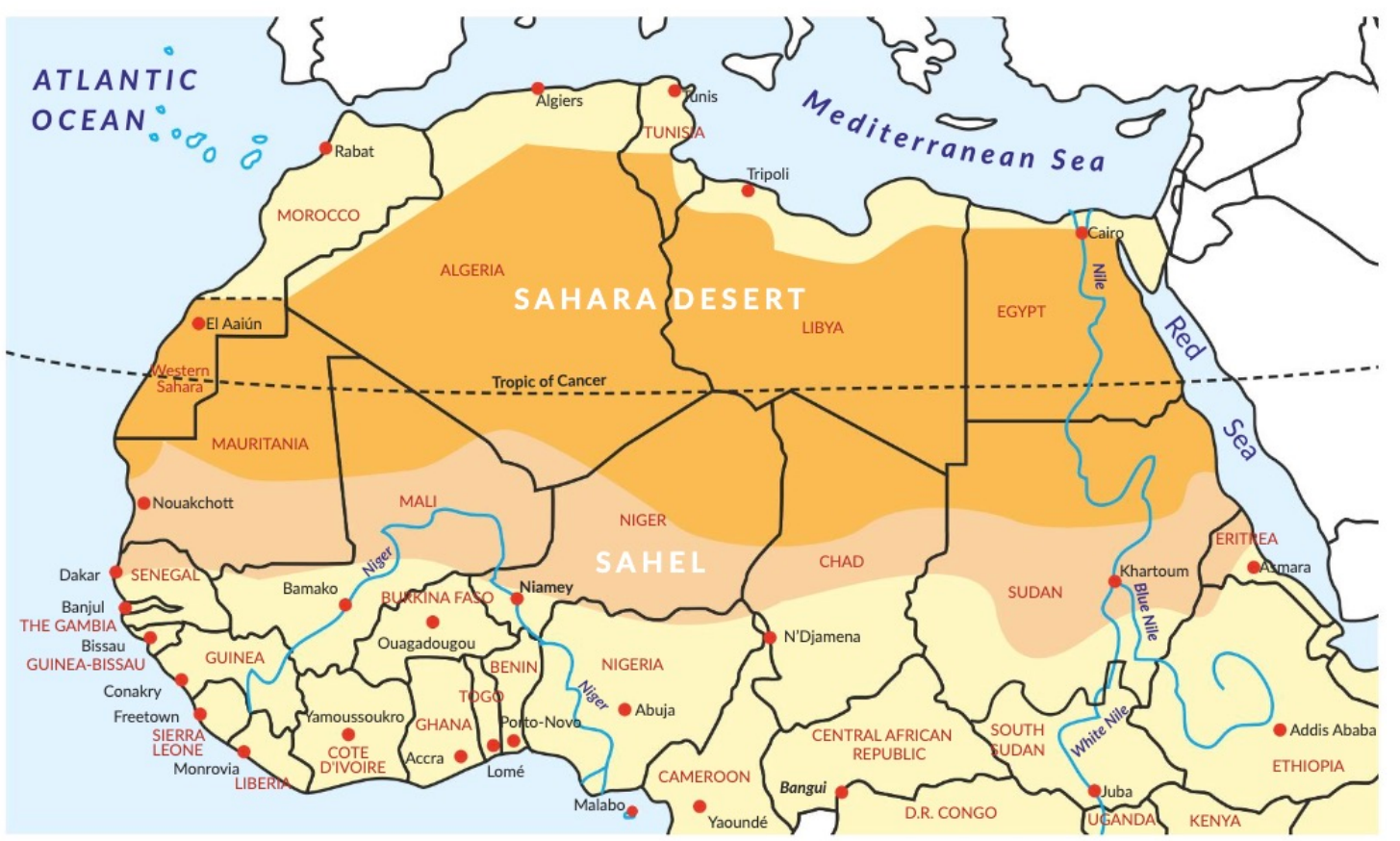
The region supports over 100 million people, with most communities depending heavily on agriculture and livestock herding for survival. However, the Sahel faces rapid desertification that threatens the foundation of these traditional livelihoods.
Note
The Sahel region includes countries such as Senegal, Mauritania, Mali, Burkina Faso, Niger, Nigeria, Chad, Sudan, and Eritrea. Its name comes from the Arabic word "sahil," meaning "shore" or "border," referring to its position as the border between the Sahara Desert and the more humid regions to the south.
Causes of desertification
Overpopulation
The Sahel experiences significant population pressure as a primary driver of desertification. Since the 1960s, the region's population has doubled, creating unprecedented demand for essential resources including water, food, and arable land.
This population boom strains the region's capacity to provide adequate resources. As more people compete for limited land and water, communities face increasing difficulty maintaining sustainable agricultural practices.
Important
The growing population has triggered several critical consequences that accelerate land degradation:
- Agricultural productivity has declined by 30% since the 1960s
- Soil degradation has reduced potential crop yields by 12%
- Food insecurity affects communities as local production cannot meet demand
- Many families now rely on external food aid for survival
Climate change
Climate change significantly contributes to desertification in the Sahel through altered weather patterns and rising temperatures. The region experiences temperature increases at 0.5°C per decade - double the global average rate.
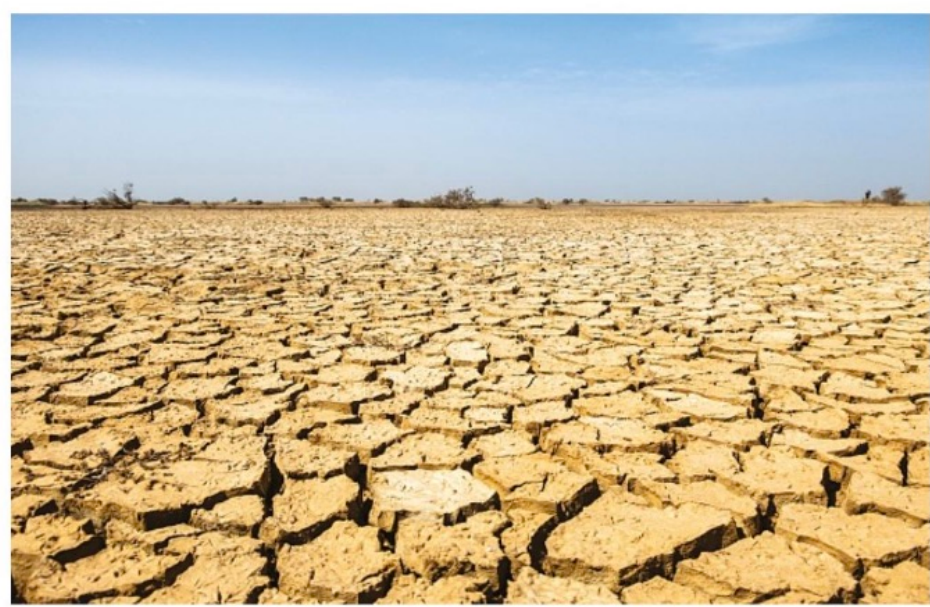
These changing conditions create several challenges:
- Increasingly unpredictable rainfall patterns disrupt traditional farming cycles
- Extended drought periods reduce water availability for crops and livestock
- More frequent and intense flooding damages agricultural land
- Extreme weather events destroy harvests and kill livestock
Recent years have brought some of the worst droughts in the region's history, leading to widespread crop failures and livestock deaths. These climate shocks have intensified resource scarcity and worsened food insecurity. According to the World Food Programme, over 31 million people currently face acute food insecurity in the Sahel, with children particularly vulnerable.
Important
Climate change also reduces the amount of arable land available for agriculture, forcing many people to migrate to urban areas or neighbouring countries seeking better living conditions. The United Nations projects the Sahel's population will grow from approximately 135 million to over 340 million by 2050, with climate change contributing to this demographic pressure.
Impacts of desertification
Environmental degradation
Environmental degradation represents one of the most severe consequences of desertification in the Sahel. This deterioration occurs through resource depletion, ecosystem destruction, and pollution from harmful activities.
Three main processes drive environmental degradation in the region:
Overgrazing
Overgrazing happens when excessive numbers of animals graze the same land area, depleting vegetation and causing soil erosion. Population growth in the Sahel has increased demand for livestock, putting enormous strain on available grazing lands.
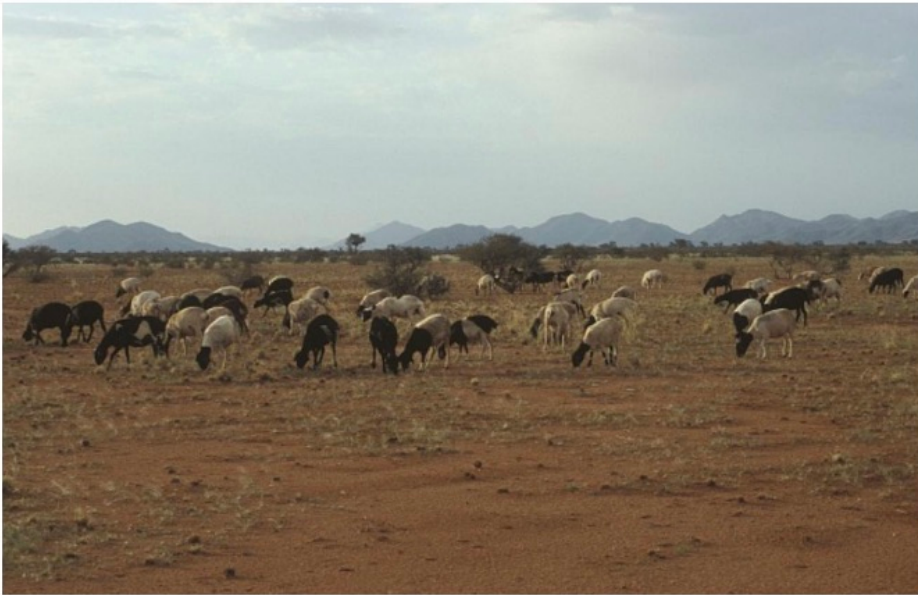
As communities rely more heavily on livestock for their livelihoods, grazing land demand has grown beyond sustainable levels. This situation worsens as populations continue expanding, making it increasingly difficult for farmers to provide adequate food for their animals without overexploiting limited grazing areas.
Example
Case Study: Overgrazing in the Sahel
Approximately 70% of the Sahel's rangelands are now overgrazed, causing significant productivity decline. When vegetation disappears, land becomes more vulnerable to soil erosion, accelerating desertification. This creates devastating impacts on both environmental health and community livelihoods, as degraded soil becomes less fertile and unable to support crop growth.
Overcropping
Overcropping involves repeatedly planting crops on the same land without proper rotation or rest periods. This practice has become increasingly common in the Sahel due to overpopulation and the urgent need for more arable land to feed growing communities.
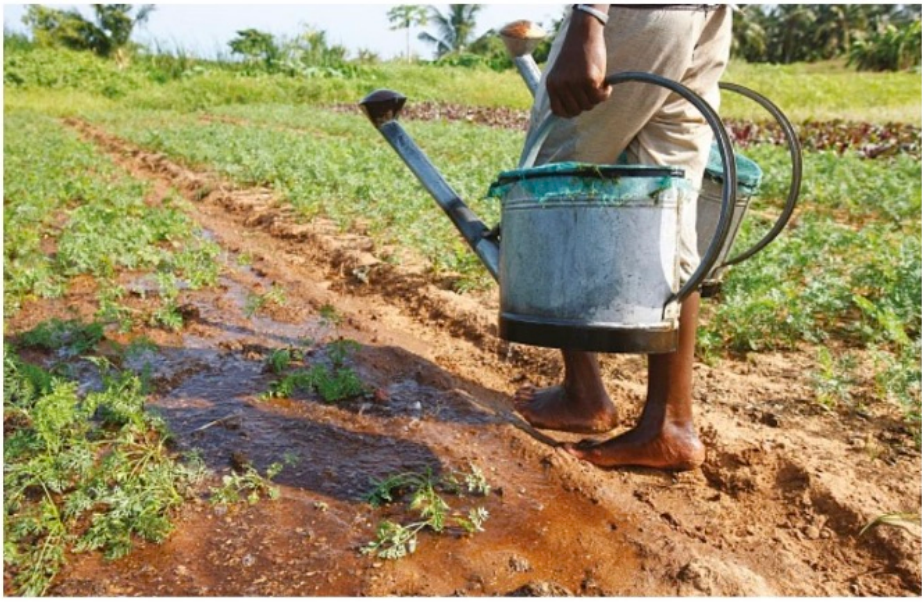
The Sahel contains some of the world's poorest and most vulnerable communities, with millions living in extreme poverty and facing food insecurity. Overcropping worsens these conditions as soil becomes degraded, nutrients are depleted, and crop yields decline.
Note
Agricultural productivity in the Sahel has decreased by 30% since the 1960s, largely due to desertification, soil degradation, and climate variability. Overcropping serves as a major contributor to this decline, creating a cycle where desperate communities further damage the land they depend upon for survival.
Deforestation
Population growth has created increased demand for land, primarily for agriculture and grazing, putting pressure on the region's natural forests and woodlands. Communities cut down trees for fuelwood, charcoal production, and to clear land for farming.
The Sahel has experienced a 40% reduction in forest cover since the 1970s. This deforestation eliminates wildlife habitat, reduces biodiversity, and increases soil erosion. Additionally, fewer trees mean reduced capacity to absorb carbon dioxide from the atmosphere, worsening climate change effects.
Important
Deforestation directly contributes to desertification by removing vegetation cover and exposing bare soil to wind and sun. This makes land increasingly dry and infertile, creating greater difficulty for farmers growing crops and grazing livestock. According to United Nations data, desertification now affects over 45% of Sahel land, leading to widespread food insecurity and poverty.
Migration and conflicts
Desertification significantly impacts migration patterns and fuels conflict development throughout the region. Rapid population growth creates increased demand for resources like water, food, and land, while intensive environmental degradation reduces agricultural productivity and makes survival increasingly difficult.
These pressures force people to migrate to urban areas or neighbouring countries seeking better living conditions. Resource conflicts, particularly over land and water access, worsen migration patterns. In 2021, the Sahel region housed 4.6 million refugees and 7.5 million internally displaced persons due to conflict and other factors including climate change and economic hardship.
Important
Resource scarcity increasingly drives conflicts as populations grow and resources become scarcer. The United Nations identifies the Sahel as one of the world's most conflict-affected regions, with disputes driven by various factors including ethnic tensions, political instability, and resource scarcity.
These conflicts displace millions of people and further strain regional resources. The ongoing crisis in Mali exemplifies this pattern - over 270,000 people have been displaced within Mali, while more than 200,000 Malians have fled to neighbouring countries such as Burkina Faso and Niger. This conflict has significantly impacted the regional economy through trade disruptions, food production interference, and rising food prices.
Food security
The Sahel faces increasingly unpredictable rainfall patterns that result in drought and desertification, leading to crop failures and livestock deaths. These conditions pressure regional resources and worsen food insecurity.
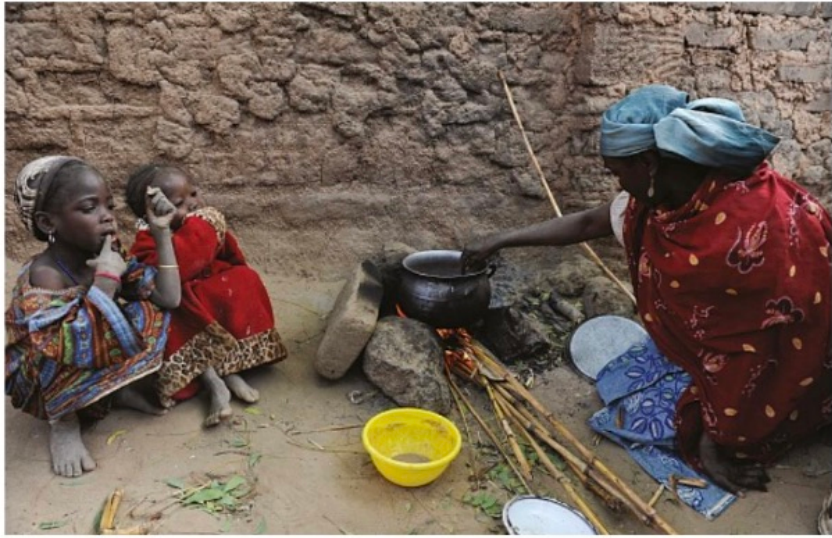
Growing numbers of people experience severe hunger and malnutrition. Over 31 million people in the Sahel currently face acute food insecurity, with children being particularly vulnerable. Additionally, 7.4 million children under age five in the Sahel suffer from acute malnutrition.
Note
The situation has worsened due to the COVID-19 pandemic and ongoing regional conflicts, further increasing the number of people facing food insecurity and malnutrition. The United Nations reports that by the end of 2023, approximately 29 million people in the region required humanitarian assistance.
Summary
Key Points to Remember:
-
Desertification definition: Transforms fertile land into barren, desert-like terrain through both natural and human factors, severely impacting ecosystems and livelihoods
-
Sahel region impact: Population doubled since the 1960s with agricultural productivity declining by 30%
-
Climate change acceleration: Rising temperatures (0.5°C per decade) and unpredictable rainfall affect over 31 million people with food insecurity
-
Environmental degradation processes:
- Overgrazing affecting 70% of rangelands
- Overcropping depleting soil nutrients
- Deforestation causing 40% forest cover reduction since 1970s
-
Human displacement crisis: 4.6 million refugees and 7.5 million internally displaced people in 2021, with 29 million requiring humanitarian assistance by 2023