Human Rights Issues (Leaving Cert Geography): Revision Notes
📚Revision Notes
Human rights issues
Introduction to human rights challenges
Economic migrants and political refugees face significant human rights violations due to various governmental actions and societal attitudes. These challenges encompass a broad spectrum of issues including people trafficking, xenophobic attitudes, and inadequate living standards for migrants seeking better opportunities or safety.
The scope of these problems extends beyond individual experiences to affect entire communities and influence national policies across different countries.
Note
The impact of human rights violations extends far beyond individual cases, creating ripple effects that influence community dynamics, national policies, and international relations across multiple countries and regions.
Xenophobia and racism in society
Xenophobia represents the fear or prejudice directed towards individuals from different cultural backgrounds. When combined with racism, these attitudes create hostile environments that can result in discrimination, social exclusion, and even violence against migrant communities.
Addressing these issues requires comprehensive approaches including:
- Promoting diversity in educational settings
- Fostering intercultural understanding between communities
- Implementing anti-discrimination policies and legislation
Recent research by the European Union Agency for Fundamental Rights revealed that 31% of people surveyed across EU member states had experienced discrimination based on their ethnic or immigrant background in 2022.
Important
This concerning statistic demonstrates that nearly one in three people from ethnic or immigrant backgrounds face discrimination across EU countries, highlighting the widespread nature of these human rights challenges.
Case study: Ireland's multicultural transformation
Since joining the European Union in 1973, Ireland has experienced rapid transformation into one of Europe's most diverse multicultural societies. By 2000, the country had achieved the fastest population growth rate in Europe, with a 32% increase in population.
The 2022 Census recorded 703,700 non-Irish nationals residing in Ireland, originating from over 200 different countries. The largest non-Irish communities include Polish and UK citizens, followed by significant populations from India, Romania, Lithuania, Brazil, Italy, Latvia, and Spain.
Note
Ireland's transformation into a multicultural society represents one of the most dramatic demographic changes in modern European history, with the country evolving from a traditionally homogeneous society to one of the continent's most diverse nations in just a few decades.
Experiences of discrimination in Ireland
Despite progress in tackling racism, significant challenges remain for international communities in Ireland. Research from 2023 highlighted concerning patterns of discrimination experienced by international students:
- Nearly two-thirds (63%) reported experiencing or witnessing racism
- Verbal abuse was the most common form, affecting 42% of respondents
- Indirect racism through unfair treatment affected 39% of individuals
- Physical racism, including assaults, impacted 12% of the surveyed population
- Only 10% of those experiencing racist incidents reported them to authorities
- 67% of victims expressed dissatisfaction with the response they received
Important
The stark contrast between the high rates of racist incidents (63%) and the extremely low reporting rates (10%) reveals a critical gap in support systems and confidence in institutional responses to racism in Ireland.
Impact of political changes
The rise of right-wing politics across Europe, including Ireland, has created additional challenges for non-Irish nationals. These political movements often promote nationalist sentiments and anti-immigrant attitudes while focusing on preserving 'traditional' national identity.
Right-wing political influence can lead to:
- Social exclusion of immigrant communities
- Reduced opportunities for cultural exchange
- Creation of barriers to acceptance and belonging
- Development of 'us versus them' mentalities in society
- Polarisation that hinders unity and inclusivity efforts
Important
This political climate particularly affects asylum seekers and refugees, who represent some of the most vulnerable non-Irish populations, by creating stigmatisation and increasing challenges in accessing essential support services.
Poor living conditions for political refugees
Ireland operates a Direct Provision system that provides accommodation and basic necessities for asylum seekers while their refugee status applications are processed. Although designed as a temporary solution, this system has faced substantial criticism for failing to uphold basic human rights standards.
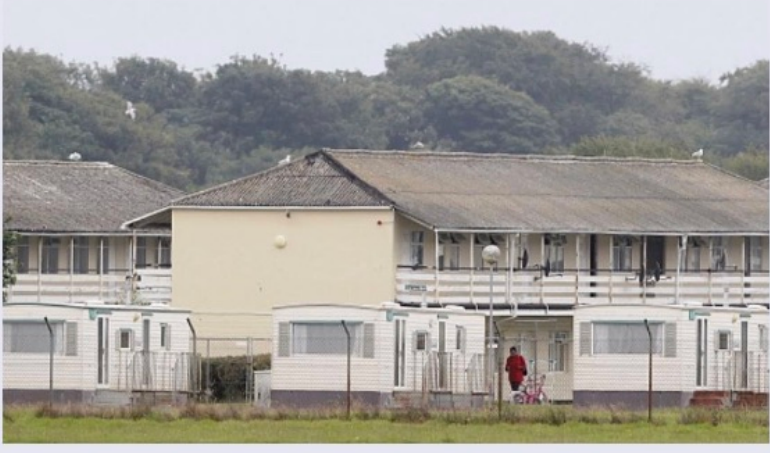
Challenges within direct provision centres
Asylum seekers often endure prolonged periods in Direct Provision accommodation while awaiting application outcomes. According to the Irish Refugee Council, the average length of stay in these centres reached 26 months in 2020, with some individuals remaining in the system for several years.
Extended stays create significant problems including:
- Uncertainty and anxiety about future prospects
- Difficulties in planning for integration into Irish society
- Limited ability to develop independence and life skills
Note
The prolonged nature of stays in Direct Provision centres transforms what was intended as temporary accommodation into long-term housing arrangements, creating psychological and social challenges that can have lasting impacts on residents' wellbeing and integration prospects.
Accommodation quality concerns
The Ombudsman's office has identified serious issues with Direct Provision facilities including:
- Overcrowding in shared accommodation
- Lack of privacy for residents and families
- Insufficient cooking facilities
- Poor overall living standards
These conditions negatively impact both physical and mental wellbeing, making it difficult for residents to maintain dignity and self-worth while attempting to integrate into Irish society.
Barriers to integration
Residents of Direct Provision centres face significant obstacles in accessing education and employment opportunities. While improvements have been made in allowing access to primary and secondary education, the right to work remained restricted until asylum seekers had been in the system for at least nine months. This restriction limits their ability to contribute to society and develop valuable skills for future integration.
The system also leads to social isolation, as limited opportunities for interaction with the wider community prevent the development of meaningful relationships and cultural exchange. Research by the Economic and Social Research Institute found that Direct Provision residents reported feelings of isolation and lack of belonging in Irish society.
System reform efforts
In 2021, Ireland announced plans to end the Direct Provision system and replace it with a new accommodation model for asylum seekers. The government initially planned to end Direct Provision by 2024. However, by 2023, a total of 20,140 people were still living in Direct Provision centres across Ireland, highlighting the urgent need for systemic change to address these ongoing challenges.
Important
Despite government commitments to reform, the continued presence of over 20,000 people in Direct Provision centres demonstrates the significant gap between policy intentions and implementation, emphasising the urgent need for accelerated systemic change.
Summary
Key Points to Remember:
-
Human rights violations affect both economic migrants and political refugees, including trafficking, xenophobia, and poor living conditions
-
31% of EU residents experienced discrimination based on ethnicity or immigrant background, with Ireland housing 703,700 non-Irish nationals from over 200 countries
-
Racism remains prevalent in Ireland, with 63% of international students experiencing or witnessing racist incidents, though only 10% report these to authorities
-
Direct Provision system creates significant hardships, with average stays of 26 months, overcrowding, and limited access to work and education opportunities
-
Right-wing politics across Europe has intensified challenges for migrants through promoting anti-immigrant attitudes and creating social polarisation