Impact of MNCs on Global Trading Patterns (Leaving Cert Geography): Revision Notes
📚Revision Notes
Impact of MNCs on Global Trading Patterns
What are multinational corporations?
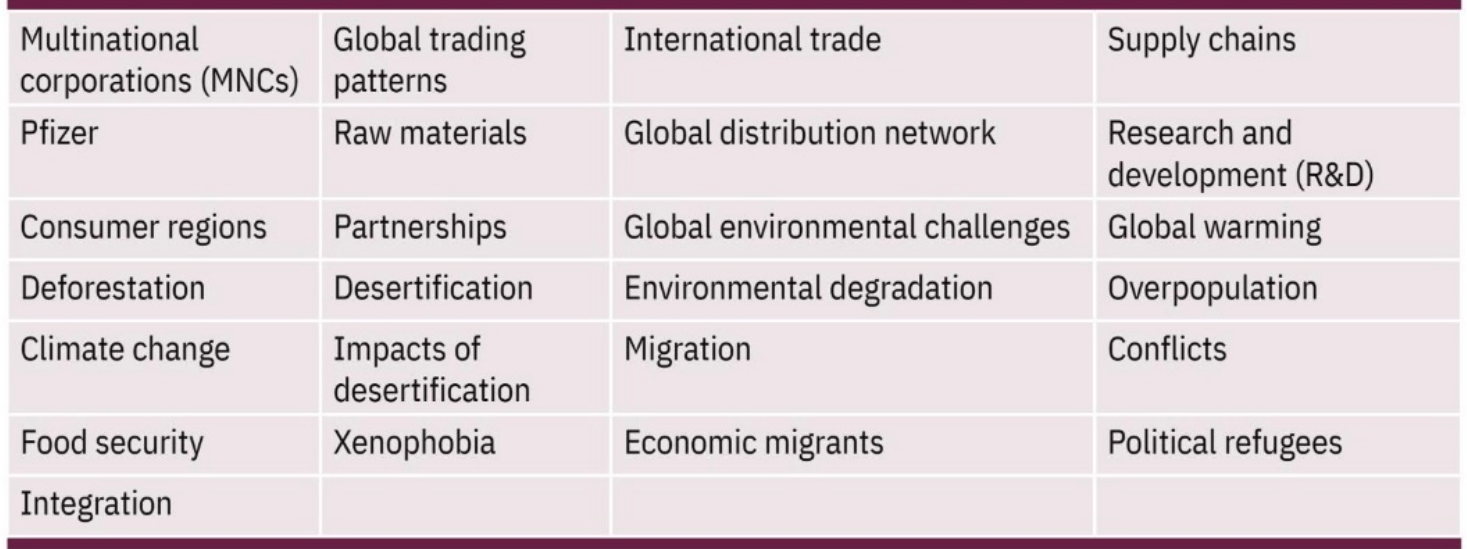
Multinational corporations (MNCs) are large companies that operate across multiple countries, with business activities spanning various continents. These corporate giants have become the driving force behind modern global trading patterns, fundamentally reshaping how goods, services, and capital move around the world.
Note
MNCs are characterised by their ability to coordinate complex operations across multiple countries, managing everything from sourcing raw materials to final product distribution. This global presence allows them to take advantage of different countries' comparative advantages and optimise their operations worldwide.
MNCs engage in international trade with the primary goal of reaching vast numbers of consumers across multiple countries. Their operations involve complex supply chains that span various continents, sourcing raw materials from different nations and distributing finished products globally.
The dramatic growth of global trade
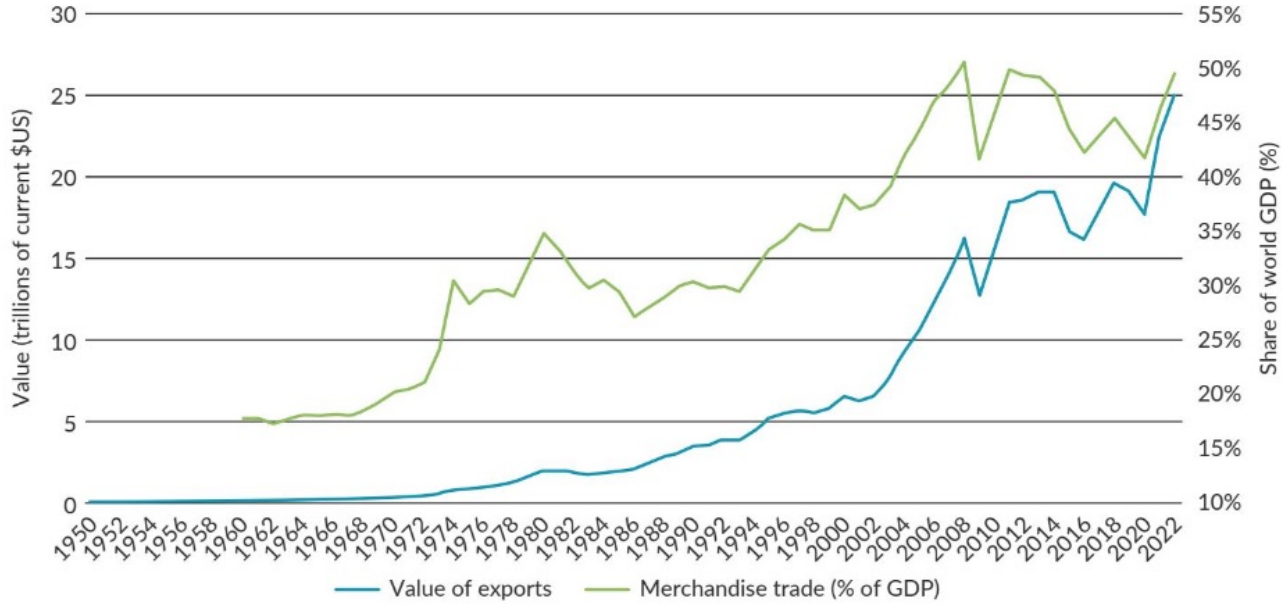
Global trade has experienced remarkable expansion over the past seven decades. The volume and value of international trade has grown exponentially, transforming our interconnected world economy.
Note
This exponential growth demonstrates how MNCs have contributed to the increasing importance of international trade in the global economy. Trade now represents a much larger percentage of world GDP compared to the 1950s, highlighting the central role that multinational corporations play in our modern economy.
MNCs' dominance in global trade
Today's multinational corporations wield enormous influence over global trading patterns. According to the UN Conference for Trade and Development, MNCs account for a staggering 80% of the annual $32 trillion trade volume as of 2022. This statistic reveals just how central these corporations have become to international commerce.
Important
The dominance of MNCs in global trade means that a relatively small number of large corporations control the vast majority of international commerce. This concentration of economic power has significant implications for global economic stability and development patterns.
As MNCs continue to expand and establish their presence worldwide, they contribute significantly to the development of global trading patterns. They facilitate the movement of goods, services and capital across borders, and promote economic growth and integration on a global scale.
Case study: Pfizer's impact on global trading patterns
Pfizer serves as an excellent example of how MNCs shape global trading patterns. This leading pharmaceutical manufacturing corporation demonstrates the extensive impact that multinational companies have on international trade.
Example
Case Study Analysis: Pfizer's Global Operations
Pfizer's business model perfectly illustrates MNC complexity:
- Design: Products developed in research centres (primarily in MEDCs)
- Sourcing: Raw materials obtained from multiple countries worldwide
- Manufacturing: Production facilities in strategic global locations
- Distribution: Final products delivered to over 100 countries
This demonstrates how a single MNC can create intricate webs of international trade relationships.
Pfizer's global supply chain
Pfizer sources the raw materials necessary for vaccine production through a well-established supply chain. The company collaborates with local and international suppliers to obtain the required raw materials, including specialised ingredients such as lipids, salts, sugars, and proteins needed for vaccine manufacturing.
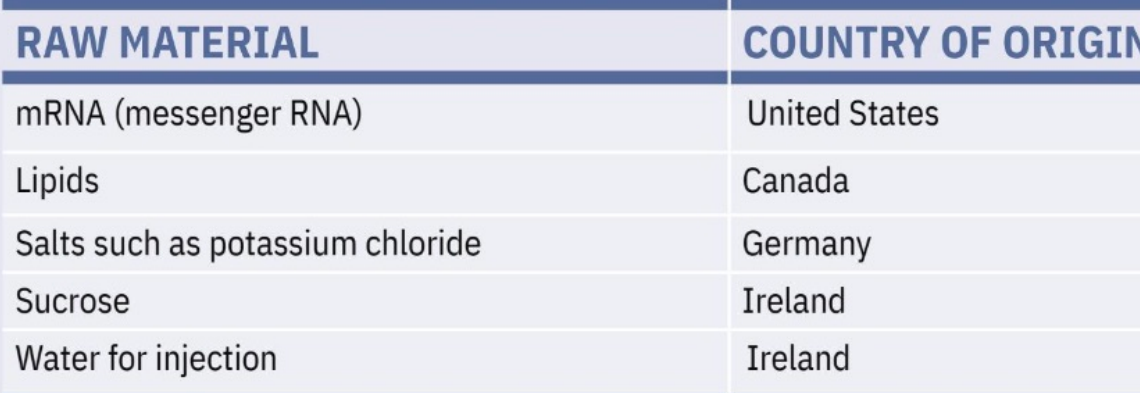
By sourcing raw materials both domestically and internationally, Pfizer can optimise its supply chain and ensure a consistent and reliable flow of materials for vaccine production. Most of the raw materials used by Pfizer are sourced from MEDCs, as their economies are equipped to manufacture the specialised materials required for pharmaceutical production.
Global distribution network
The medicines manufactured in Ireland are distributed to approximately 100 countries around the world, demonstrating Pfizer's extensive global reach.
This vast distribution network connects producer regions to consumer markets worldwide, creating complex trade relationships that span multiple continents.
Impact on producer regions
MNCs like Pfizer create significant economic benefits for producer regions where they establish their operations. These impacts can be understood through several key mechanisms.
Employment and investment opportunities
Pfizer's role as a leading producer of vaccines and medicines underscores its significance in the pharmaceutical industry. The company operates research and production facilities in various countries, sourcing raw materials, conducting research, and manufacturing drugs on a large scale. This creates substantial employment opportunities for local populations.
Example
Economic Impact Example: Pfizer in Ireland
Pfizer's presence in Ireland demonstrates the substantial economic benefits MNCs can bring to producer regions:
- Employment: Approximately 5,000 people employed across five locations
- Investment: Over €8 billion invested in Irish operations
- Locations: Operations span Cork, Dublin, and Kildare
- Scale: This represents one of the largest foreign direct investments in Ireland's pharmaceutical sector
Technology transfer and knowledge sharing
Pfizer's collaboration with local pharmaceutical companies in producer regions enhances technology transfer and knowledge sharing. Through partnerships, Pfizer transfers its expertise in pharmaceutical research, development and production, and empowers local industries to develop their capabilities. This cooperation fosters long-term sustainability in the pharmaceutical sector and contributes to the growth of global healthcare systems.
Note
Technology transfer is a crucial benefit of MNC operations. When companies like Pfizer establish facilities in producer regions, they bring cutting-edge manufacturing techniques, quality control systems, and research methodologies that can benefit the entire local industry ecosystem.
Connecting regions through trade networks
Pfizer's vast network of distribution and supply chains connects producer regions to the rest of the world. As Pfizer delivers its vaccines and medicines globally, trade routes are established, connecting countries and regions in complex trade webs. This interconnectivity strengthens economic ties and fosters regional cooperation.
Impact on consumer regions
MNCs also create significant impacts in consumer regions where their products are ultimately sold and used. These effects demonstrate both the benefits and challenges of MNC operations.
Enhanced access to pharmaceuticals
Pfizer's extensive distribution networks enable its vaccines and medicines to reach consumer regions worldwide. As demand for Pfizer's products remains high, the company establishes strong trade links with numerous countries, ensuring a steady flow of pharmaceuticals to meet healthcare needs.
During the COVID-19 pandemic, Pfizer's COVID-19 vaccine was distributed globally to combat the spread of the virus, demonstrating how MNCs can respond to global health emergencies through their established distribution networks.
Improving medication quality and affordability
Through extensive research and development, Pfizer has introduced innovative drugs that offer better treatment options for various medical conditions. These medications undergo rigorous testing and adhere to strict quality standards, ensuring their safety and efficacy.
Example
Affordability Impact Example: Lipitor Patent Expiry
Pfizer's approach to patent expiry demonstrates how MNCs can improve medication affordability:
Before patent expiry (pre-November 2011):
- Cost: Approximately $175 for one month's supply in the United States
After patent expiry (by 2013):
- Cost: As little as $4 for one month's supply of generic version
- This represents a price reduction of over 97%
This shows how MNC patent policies can dramatically affect global medication accessibility.
Stimulating economic activity
Pfizer's involvement in international trade stimulates economic activities in consumer regions. The presence of Pfizer's products creates employment opportunities and fosters economic growth, as local healthcare industries engage in distribution, sales and administration of Pfizer's medicines. This economic boost contributes to the overall development of consumer regions.
Research and development impacts
Pfizer's role in research and development influences global trading patterns in consumer regions. As Pfizer invests in cutting-edge research and innovation, new pharmaceutical products are introduced to the market, leading to increased demand for raw materials and intermediates sourced from various regions, which stimulates international trade.
Challenges and inequalities
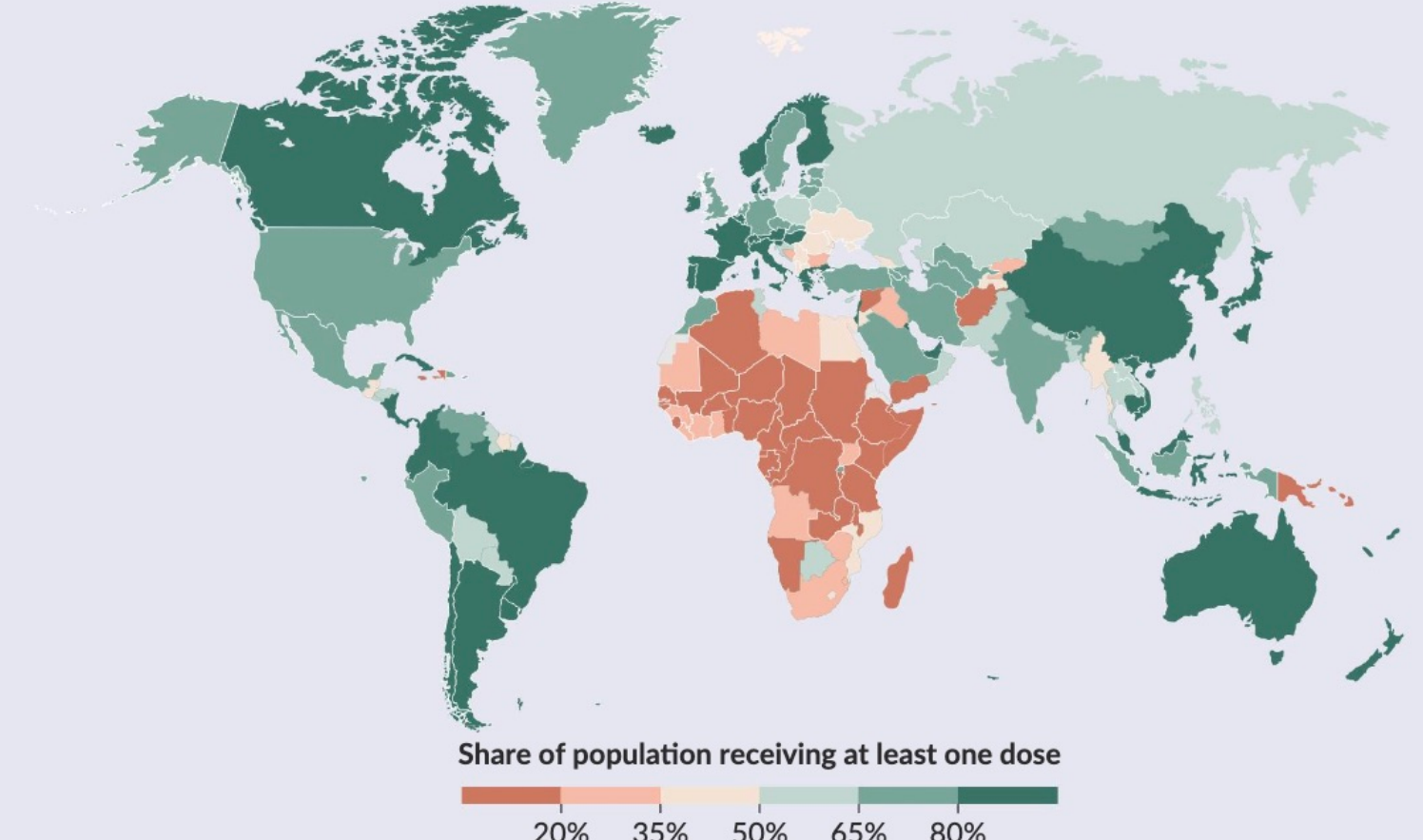
However, MNC influence on global trading patterns can also lead to challenges. During periods of high demand, such as during pandemics, certain regions may face supply shortages due to concentrated production.
Important
Global Health Inequalities: COVID-19 Vaccine Distribution
The COVID-19 pandemic starkly highlighted inequalities in MNC trading patterns:
- MEDCs: Received priority access to vaccines due to greater purchasing power
- LEDCs: Many achieved less than 10% population coverage in initial rollouts
- Impact: This disparity demonstrated how MNC trading patterns can reinforce existing global inequalities
The lack of access to vaccines during the pandemic highlights the widening poverty gap between MEDCs and LEDCs and demonstrates the importance of MNCs developing more equitable global trading patterns.
Summary
Summary
Key Points to Remember:
-
MNCs dominate global trade - They account for 80% of the annual $32 trillion global trade volume, making them the key drivers of international commerce
-
Complex supply chains span continents - Companies like Pfizer source raw materials from multiple countries (US, Canada, Germany, Ireland) and distribute to over 100 countries worldwide
-
Significant economic impact on producer regions - Pfizer alone employs 5,000 people in Ireland and has invested over €8 billion, demonstrating how MNCs create jobs and stimulate local economies
-
Technology transfer benefits local industries - MNCs share expertise and knowledge with local companies, fostering long-term development in producer regions
-
Global inequalities can be reinforced - The COVID-19 vaccine distribution showed how MEDCs received priority access while many LEDCs achieved less than 10% population coverage, highlighting persistent global inequalities in MNC trading patterns