Social and Political Decisions: Political Refugees (Leaving Cert Geography): Revision Notes
📚Revision Notes
Political refugees
What are political refugees?
A political refugee is someone who leaves their home country to find safety and protection in another nation because they have genuine fears of being persecuted. This persecution is typically based on their political beliefs, ethnicity, religion, nationality, or because they belong to a particular social group.
Political refugees experience persecution in their homeland, where they face discrimination, violence, or threats to their life or freedom. This persecution often stems from their political views, affiliations, or personal characteristics that make them targets in their home country.
When people flee their country, political refugees become asylum seekers in the nation where they seek protection. They must apply for refugee status to gain legal recognition and the right to live and work in the host country whilst their asylum application is processed.
Note
Political refugees have legal protections under international law, specifically the 1951 Refugee Convention and its 1967 Protocol. These international agreements require signatory countries to provide safety and support to individuals fleeing persecution, regardless of their race, religion, or political beliefs.
EU policy responses to political refugees
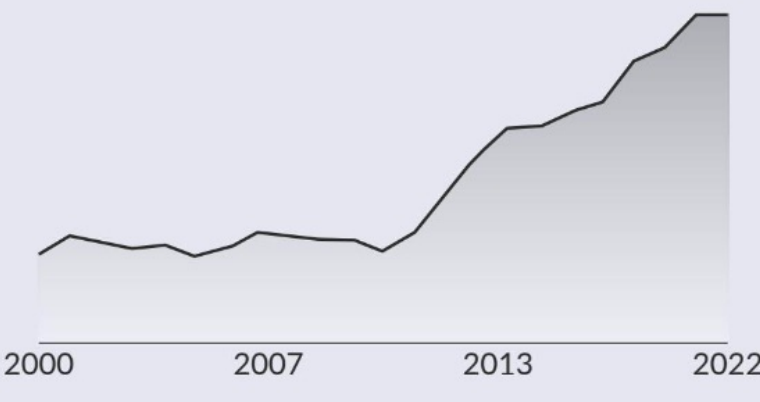
The number of political refugees has grown dramatically in recent years due to conflicts and political instability worldwide. Wars in Syria, Afghanistan, and the Russian invasion of Ukraine have forcibly displaced millions of people.
Important
According to the United Nations High Commissioner for Refugees, there were 114.4 million forcibly displaced people worldwide in 2023. Over 53% of these people came from Ukraine, Syria, and Afghanistan.
EASO's role in managing refugee applications
Social and political decisions that resulted in wars in Ukraine, Syria, and Afghanistan have forced the EU to adapt its migration policies to handle increased numbers of political refugees seeking asylum.
The increased refugee numbers have significantly impacted EU migration policy. The EU created new policies to manage the influx of refugees and asylum seekers, including the European Asylum Support Office (EASO) and the relocation of refugees across member states. The EU has also strengthened its external borders to prevent illegal migration and assist countries dealing with migration challenges.
Example
Worked Example: EASO Support in Greece
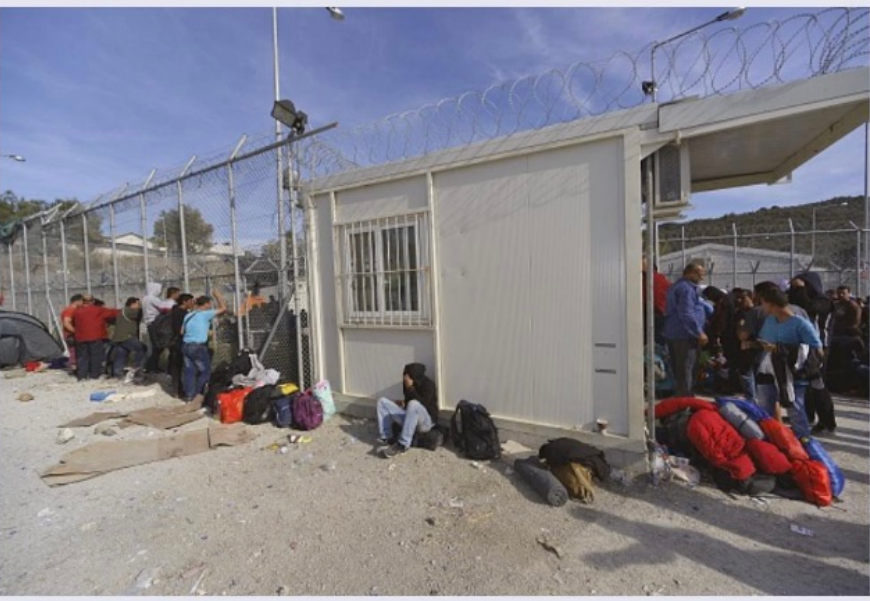
During the peak of the refugee crisis in 2015-2016, EASO deployed staff to help Greek authorities process asylum applications and provide technical assistance in managing reception and accommodation facilities. EASO also provided training to Greek officials on conducting asylum interviews and managing reception centres.
The hotspot approach
EASO established a 'hotspot' approach in Greece, which aimed to identify, register, and fingerprint migrants as quickly as possible after their arrival. This system helped distinguish between irregular migrants who should be returned to their country of origin and those eligible for international protection.
The hotspot approach included a relocation scheme, where refugees eligible for international protection were relocated to other EU member states. This aimed to ease the burden on Greece and ensure a more equitable distribution of responsibility for asylum seekers in the EU.
Important
However, several human rights advocacy groups have criticised the failure of this hotspot approach, as thousands of refugees and asylum seekers continue to suffer whilst waiting to be processed.
Response to the Ukrainian crisis
The Russian invasion of Ukraine in 2022 highlighted how the EU has adapted its policies to meet the needs of political refugees. The conflict resulted in a significant increase in Ukrainians seeking asylum in the EU. Over 8.2 million Ukrainian refugees were recorded in EU member states.
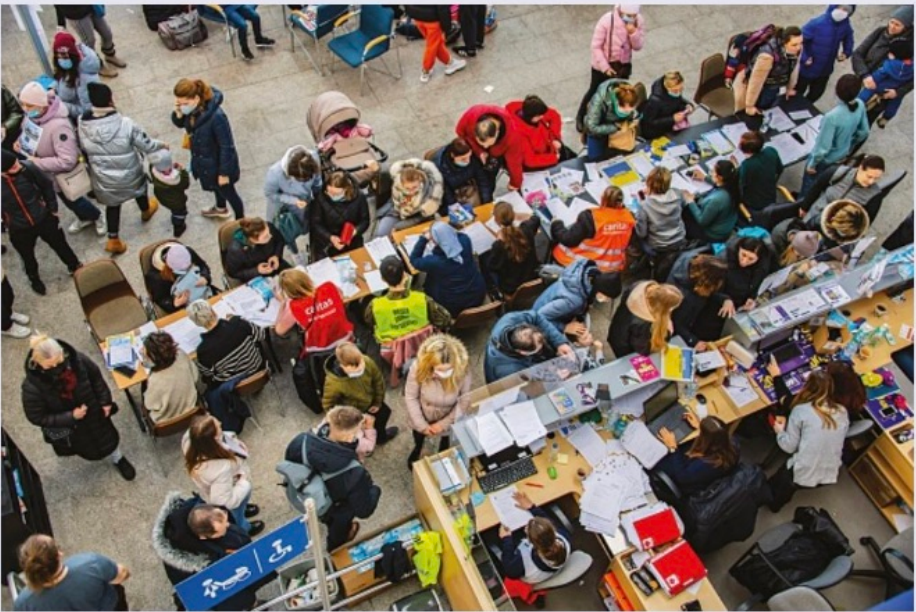
The EU responded quickly by providing financial assistance to Ukraine. The EU allocated more than €18 billion to Ukraine to help the country deal with the humanitarian crisis caused by the conflict. This assistance included funding for shelter, food, and medical assistance for those affected by the war.
The EU also aided member states that experienced an increase in Ukrainian asylum seekers. Funding was provided to help member states cope with the increase in asylum applications. Officials processing asylum applications received training. The Asylum, Migration and Integration Fund (AMIF) and the Internal Security Fund (ISF) provided significant funding to member states to support their efforts to manage the influx of Ukrainian asylum seekers.
Note
This funding improved reception conditions, provided language and cultural training, and supported integration programmes for Ukrainian nationals granted asylum. In total, €3.5 million was provided to member states to support the integration of Ukrainian refugees.
Despite these efforts, the increase in asylum seekers from Ukraine has put significant strain on the EU's asylum system. In some member states, this has led to long delays in processing asylum applications, which can have serious consequences for those waiting for their applications to be processed.
Migration patterns of political refugees in Europe
The migration patterns of political refugees in Europe involve an extremely difficult and dangerous process for people seeking safety and stability in European countries.
Syrian refugee crisis
Since the outbreak of the Syrian civil war in 2011, most Syrian refugees sought asylum in neighbouring countries including Turkey, Lebanon, Jordan, and Iraq. However, a significant number also embarked on treacherous journeys to Europe. European countries host over one million Syrian refugees, with 70% of those refugees hosted in just two countries: Germany (59%) and Sweden (11%).
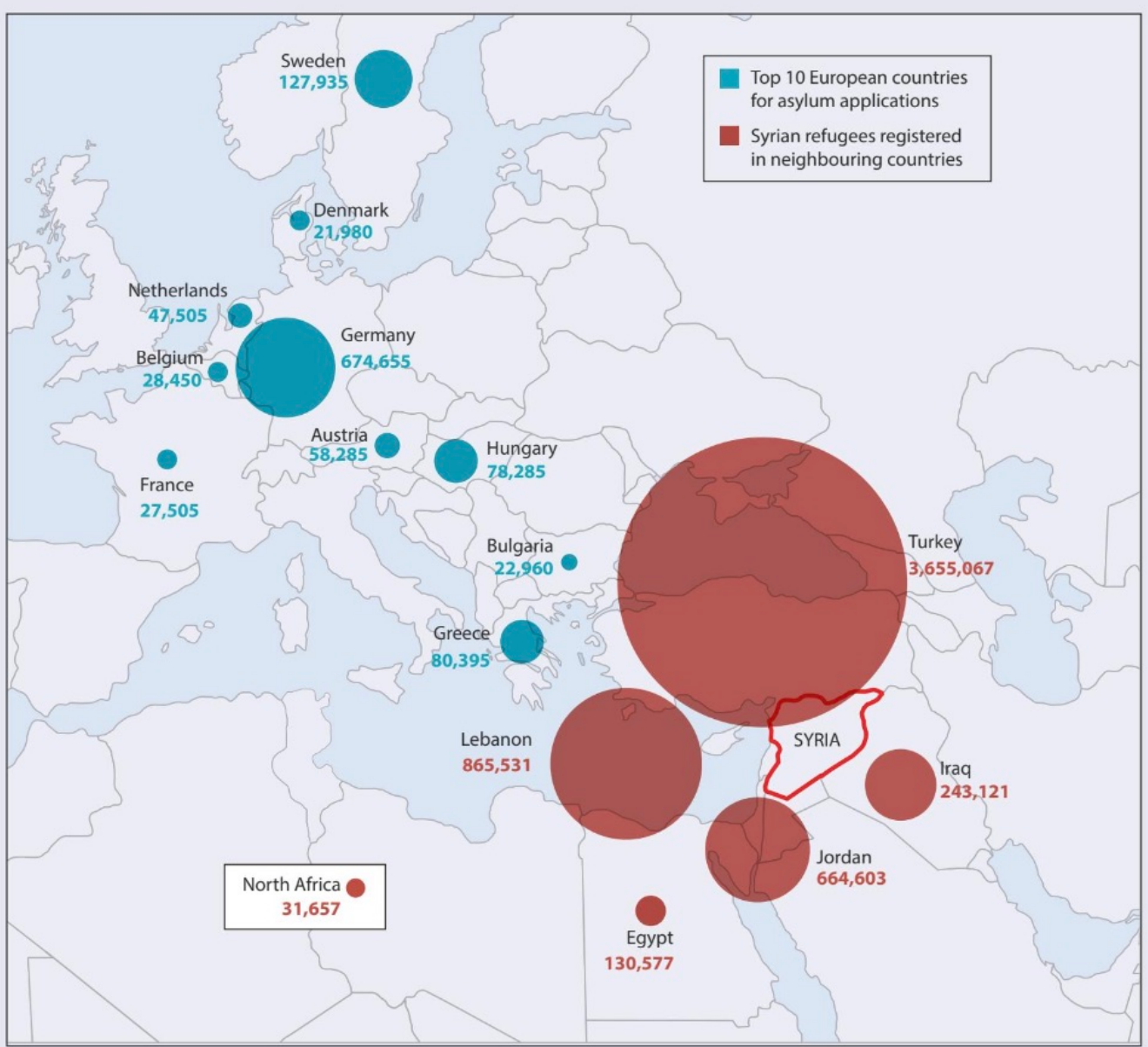
The year 2015 witnessed a surge in Syrian refugees arriving in Europe, with many attempting to cross the Mediterranean Sea to reach countries such as Greece and Italy. According to the UNHCR, over one million Syrian refugees arrived in Europe between 2015 and 2016.
The influx of Syrian refugees has significantly affected migration patterns in Europe. It led to increased pressure on border controls, reception facilities, and social services in host countries. Additionally, the situation has sparked debates on immigration policies and the handling of asylum applications.
Example
Example: Hungary's Response to Migration
In 2015, Hungary built a fence along its border with Serbia to prevent migrants from entering the country. The government also launched an advertising campaign linking migration with terrorism and crime. This led to an increase in hostility towards migrants in Hungary, with reports of hate crimes and discrimination against refugees and asylum seekers.
Ukrainian refugee patterns
The war in Ukraine has also resulted in waves of refugees seeking safety in Europe. Many Ukrainians fled to neighbouring EU countries, such as Poland and Romania, due to ongoing conflict and political instability. For example, over 1.8 million refugees from Ukraine crossed the Polish border seeking refuge there.
Since the Russian invasion in February 2022, over 8 million Ukrainian refugees have been registered in Europe, representing 18% of the country's total population.
The arrival of Ukrainian refugees has created additional challenges for European countries already dealing with an influx of migrants from other regions. It has put pressure on social services, housing, and integration efforts. Moreover, the situation has raised questions about the effectiveness of asylum policies and the need for a coordinated approach among European nations.
Note
Some countries have shown different levels of welcome for Ukrainian asylum seekers. For example, Ireland, with a population of 5.1 million, has accepted 80,000 Ukrainian refugees, whilst France, with a population of 67.8 million, has taken 118,000 Ukrainian refugees.
Summary
Key Points to Remember:
-
Political refugees flee their home countries due to well-founded fears of persecution based on political beliefs, ethnicity, religion, nationality, or social group membership
-
International legal protection is provided under the 1951 Refugee Convention and its 1967 Protocol, which obligate signatory countries to provide safety and support
-
EU policy responses include EASO support, the hotspot approach for processing, and financial assistance through AMIF and ISF funding programmes
-
Syrian refugee crisis resulted in over 1 million refugees arriving in Europe between 2015-2016, with 70% hosted in Germany and Sweden
-
Ukrainian refugee crisis since 2022 has seen over 8 million Ukrainian refugees registered in Europe, representing 18% of Ukraine's total population