Sustainable Development (Leaving Cert Geography): Revision Notes
📚Revision Notes
Energy resources
Sustainable energy management
Sustainable energy management plays a crucial role in securing our planet's future stability. Energy resources fall into two main categories: fossil fuels and renewable sources. Both types power our daily lives and drive economic systems worldwide.
Current energy consumption patterns place significant strain on available resources. This leads to environmental degradation and contributes to climate change. The challenge lies in meeting growing energy demands while protecting our environment.
Important
Fossil fuels create major environmental problems. When we burn coal and oil, harmful pollutants like carbon dioxide and sulphur dioxide enter the atmosphere. These substances reduce air quality and damage public health.
Note
In contrast, renewable sources such as solar, wind, and hydropower produce minimal or zero greenhouse gas emissions, offering a cleaner alternative to traditional energy sources.
Global energy consumption trends
World energy consumption has grown dramatically since 1965. The data shows total consumption rising from around 2 billion tonnes in 1965 to over 17 billion tonnes by 2035. This represents more than an eight-fold increase over 70 years.
Note
The energy mix has evolved significantly during this period. Oil dominated early consumption patterns, followed by substantial growth in natural gas usage. Coal consumption also expanded considerably.
However, recent decades show promising growth in renewable sources, particularly hydropower and other renewables. By 2035, projections indicate renewables will form a much larger share of the global energy mix. This shift represents a crucial transition towards more sustainable energy systems.
Case study: Iceland's renewable energy success
Iceland's energy transformation
Iceland demonstrates exceptional leadership in sustainable energy development. The country has achieved nearly 100% renewable electricity production, and around 85% of its total energy consumption comes from renewable sources, primarily geothermal and hydropower.
Note
This achievement results from a strategic combination of hydropower and geothermal energy. Iceland's unique geographical features make this energy mix possible and highly effective.
Hydropower dominance
Hydropower provides approximately 75% of Iceland's electricity production. The country's glacial rivers and abundant waterfalls create ideal conditions for hydroelectric generation. Iceland's distinctive landscape, shaped by volcanic activity and glacial processes, offers numerous suitable sites for hydropower development.
Geothermal energy potential
Geothermal energy contributes around 24% to Iceland's electricity mix. The island's volcanic activity creates exceptional geothermal resources. Over 200 volcanoes and numerous hot springs characterise Iceland's geological landscape.
High-temperature steam fields reach temperatures up to 250°C. These heat sources serve multiple purposes beyond electricity generation. Around 89% of Icelandic households use geothermal heating, demonstrating the versatility of this renewable resource.
Example
Case Study: Nesjavellir Geothermal Power Station
The Nesjavellir Geothermal Power Station exemplifies Iceland's geothermal capabilities. This facility harnesses underground heat efficiently while maintaining environmental harmony with the surrounding landscape, demonstrating how renewable energy infrastructure can integrate successfully with natural environments.
Innovation and future goals
Iceland's renewable energy leadership extends beyond domestic achievements. The country has developed innovative technologies like Carbon Recycling International, which converts carbon dioxide into methanol fuel. This represents a significant step towards reducing fossil fuel dependence.
Important
Iceland aims to become carbon neutral by 2040. This ambitious target aligns with global climate change mitigation efforts and serves as an example for other nations seeking sustainable energy transitions.
Wind energy development
Iceland continues expanding its renewable energy portfolio through wind energy exploration. While hydropower and geothermal energy dominate current production, wind energy offers additional diversification opportunities. This multi-source approach strengthens energy security and demonstrates forward-thinking energy planning.
Iceland's collaboration in East Africa
Geothermal potential in the East African Rift Zone
The East African Rift Zone possesses enormous geothermal potential. This geological feature results from tectonic plates separating at approximately half a centimetre annually. As plates split, volcanic activity increases significantly throughout the region.
Note
Countries along the rift system could potentially generate up to 20 gigawatts of electricity from geothermal sources. This represents substantial untapped energy resources in a region where 25-89% of the population currently lacks reliable energy access.
International cooperation and knowledge transfer
Iceland has partnered with the United Nations Environment Programme (UNEP) to share its geothermal expertise with East African nations. This collaboration focuses on countries including Eritrea, Ethiopia, Kenya, Rwanda, Tanzania, and Uganda.
Through UNEP's African Rift Geothermal Development Facility Project, Iceland provides financial support, technical training, and expertise sharing. These initiatives help bridge the energy gap in East Africa while promoting sustainable development.
Training and capacity building
Iceland operates comprehensive training programmes for African professionals. The Geothermal Training Programme and support for the African Geothermal Centre of Excellence represent key initiatives. These programmes build local expertise and promote long-term sustainable energy development.
Note
The partnership also focuses on empowering women entrepreneurs in the energy sector. This approach contributes to broader societal development while addressing gender equality concerns.
Success in Kenya
Example
Success Story: Kenya's Geothermal Development
Kenya exemplifies the potential for geothermal energy development in East Africa. The country has developed approximately 950 MW of geothermal production capacity, meaning geothermal energy now contributes nearly 50% of Kenya's total electricity generation.
Kenya's geothermal development began in the 1950s and has evolved into global leadership in this renewable energy sector. The Hell's Gate National Park hosts geothermal facilities that demonstrate how energy production can coexist with wildlife conservation.
Sustainable development benefits
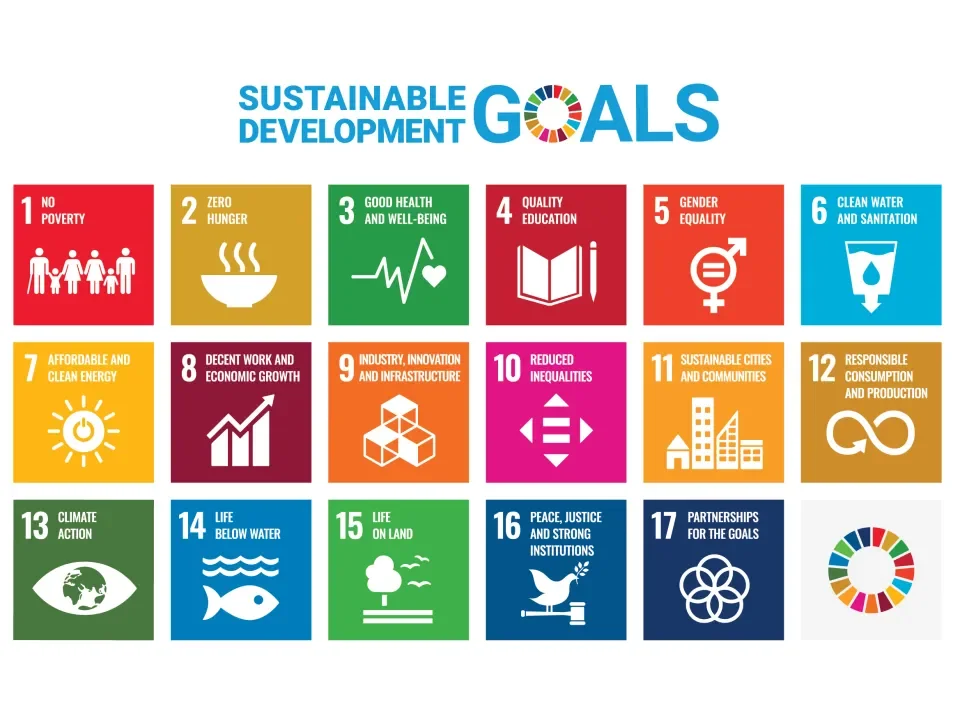
Geothermal energy development in East Africa supports multiple Sustainable Development Goals (SDGs):
- Energy access improvements directly support SDG 7 (Affordable and Clean Energy) by providing reliable, sustainable energy access to previously underserved populations.
- Economic development connects to SDG 8 (Decent Work and Economic Growth) through job creation and industrial development opportunities.
- Climate action advances SDG 13 (Climate Action) by reducing greenhouse gas emissions and promoting low-carbon energy sources.
- Environmental protection aligns with SDG 15 (Life on Land) since geothermal projects typically avoid resource depletion and ecosystem damage.
- Education and innovation contribute to SDG 4 (Quality Education) and SDG 9 (Industry, Innovation, and Infrastructure) through knowledge transfer and technological advancement.
Summary
Key Points to Remember:
- Sustainable energy management is essential for environmental protection and climate change mitigation
- Iceland achieves 100% renewable electricity through strategic use of hydropower (75%) and geothermal energy (24%)
- Global energy consumption has increased dramatically since 1965, but renewable sources are growing rapidly
- Geothermal energy offers massive potential in the East African Rift Zone, with up to 20 gigawatts of possible generation capacity
- International cooperation enables knowledge transfer and capacity building, helping developing nations access sustainable energy technologies