The Irish Literary Revival (Leaving Cert History): Revision Notes
📚Revision Notes
The Irish Literary Revival
-
The Irish Literary Revival, also known as the Celtic Revival, was a cultural movement in the late 19th and early 20th centuries that sought to revive and promote Irish literature, art, and folklore.
-
It emerged as a response to the growing sense of Irish national identity and the desire to reclaim and celebrate Ireland's unique cultural heritage.
-
The movement was partly fuelled by the decline of the Irish language and the anglicisation of Irish society.
-
Intellectuals and artists aimed to preserve and rejuvenate Irish culture by producing literature and art that reflected Irish themes, history, and mythology.
-
The revival was also influenced by the broader European romanticism and the nationalist movements that sought to assert the distinct identities of various nations under colonial rule.
-
Key figures in the revival drew inspiration from Ireland's rich oral traditions, ancient myths, and historical events.
-
They sought to create a body of work that would express the spirit of Ireland and foster a sense of pride among the Irish people.
-
The movement produced a wealth of poetry, plays, and prose that explored themes of nationalism, identity, and Ireland's natural beauty.
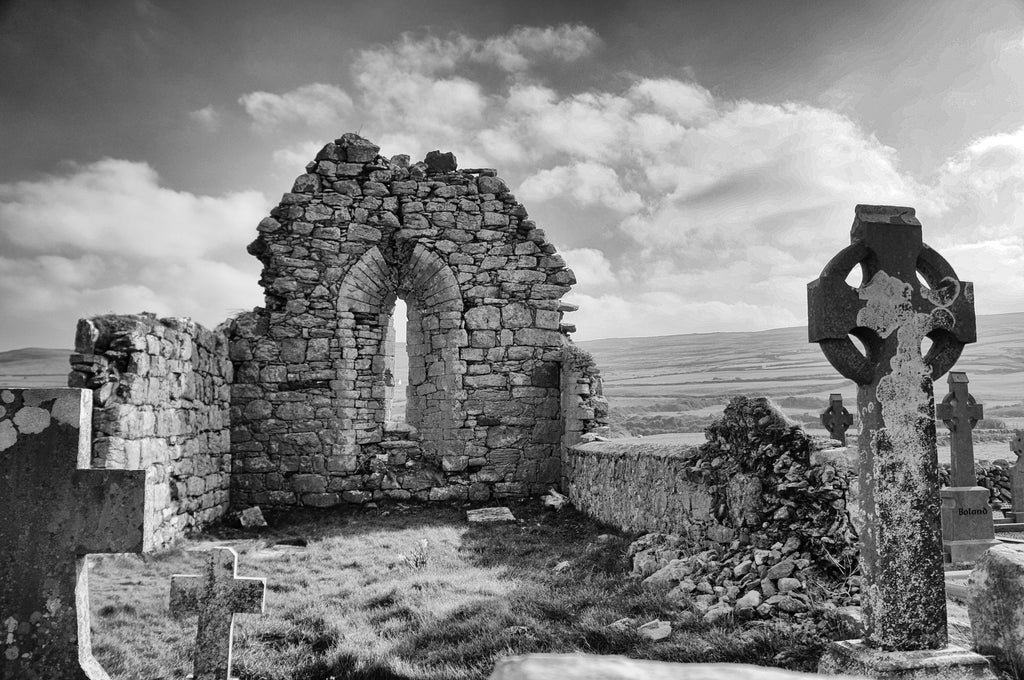
- The revival was not just a literary movement but a broader cultural renaissance that included the visual arts, music, and folklore.
- It aimed to provide a counter-narrative to the dominant English culture and create a sense of continuity with Ireland's past, laying the foundation for the country's cultural identity in the modern era.
The Roles of Lady Gregory and Edward Martyn
-
Lady Augusta Gregory and Edward Martyn were pivotal figures in the Irish Literary Revival. They played crucial roles in promoting Irish literature and drama and in establishing institutions that supported the movement.
-
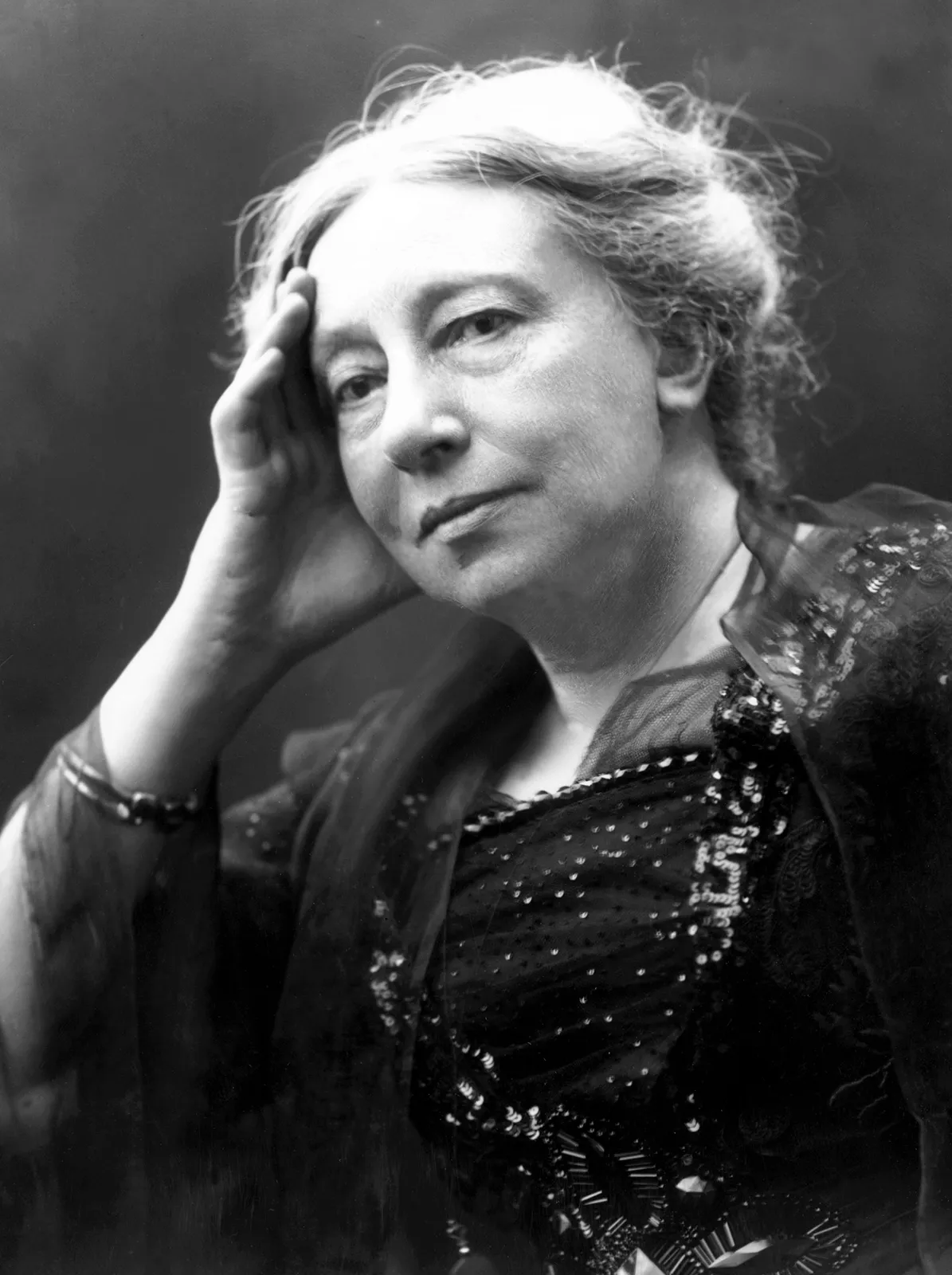
Lady Gregory, a playwright, folklorist, and patron of the arts, dedicated her life to preserving and celebrating Irish culture.
-
She collected and published Irish folklore and myths, making these stories accessible to a wider audience.
-
Her work provided a rich source of material for other writers and helped to revive interest in Ireland's literary heritage.
-
Lady Gregory also wrote numerous plays that drew on Irish themes and history. Her home, Coole Park, became a gathering place for writers, artists, and intellectuals involved in the revival.
-
She was instrumental in founding the Irish Literary Theatre in 1899, which later evolved into the Abbey Theatre, Ireland's national theatre.
- Edward Martyn, a playwright and political activist, was another key figure in the revival. He shared Lady Gregory's passion for Irish culture and was committed to promoting Irish drama.
- Martyn's play "The Heather Field" was among the first works performed by the Irish Literary Theatre, and he supported the theatre both financially and creatively.
- Together, Lady Gregory and Edward Martyn played crucial roles in establishing and succeeding the Irish Literary Theatre, which provided a platform for Irish playwrights and actors to showcase their work.
-
Their efforts helped to create a vibrant cultural scene that celebrated and promoted Irish literature and drama.
WB Yeats and the Abbey Theatre as a Hub of the Revival
-
W.B. Yeats, one of the most influential figures of the Irish Literary Revival, made significant contributions as a poet, playwright, and cultural leader. His work epitomised the movement's goals of celebrating Irish heritage and promoting a distinct national identity.
-
Yeats co-founded the Irish Literary Theatre with Lady Gregory and Edward Martyn in 1899, aiming to produce plays that reflected Irish themes and culture.
-
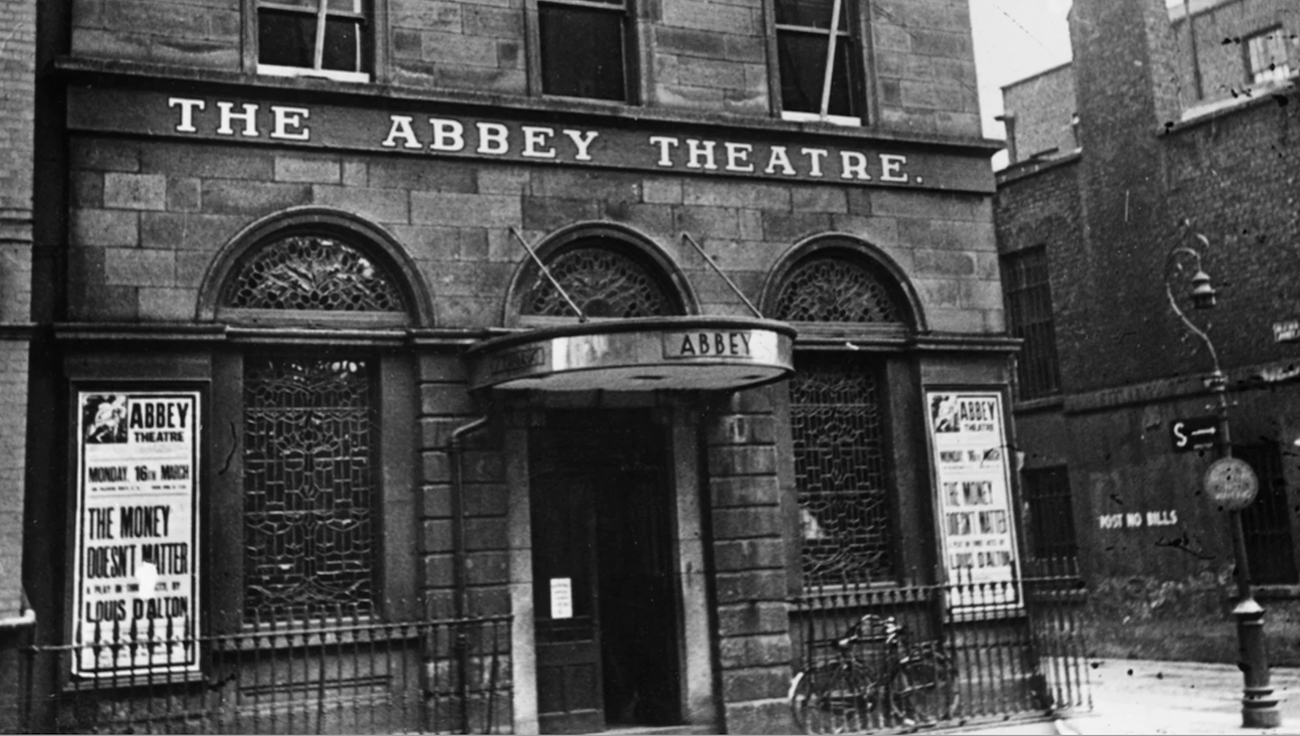
This initiative led to the establishment of the Abbey Theatre in Dublin in 1904, which became the heart of the Irish Literary Revival.
-
The Abbey Theatre served as a national stage for Irish playwrights and actors, fostering the development of a distinctly Irish dramatic tradition.
-
Yeats's plays often drew on Irish mythology and folklore, blending poetic language with themes of nationalism and identity.
-
His works, such as "The Countess Cathleen" and "Cathleen ni Houlihan", symbolised the revival, inspiring a sense of pride and cultural renewal among the Irish people.
-
The Abbey Theatre quickly became a hub for the revival, producing plays by Yeats, Lady Gregory, John Millington Synge, and other prominent writers of the time.
-
It provided a platform for exploring contemporary social and political issues through the lens of Irish culture and history. The theatre's productions often sparked debates and discussions about national identity and the role of art in society.
- Under Yeats's artistic direction, the Abbey Theatre also nurtured a new generation of Irish writers and actors. It played a crucial role in shaping Ireland's cultural landscape and establishing a vibrant literary and dramatic tradition that continues to influence Irish arts today.