Case Study: The GAA 1891 (Leaving Cert History): Revision Notes
📚Revision Notes
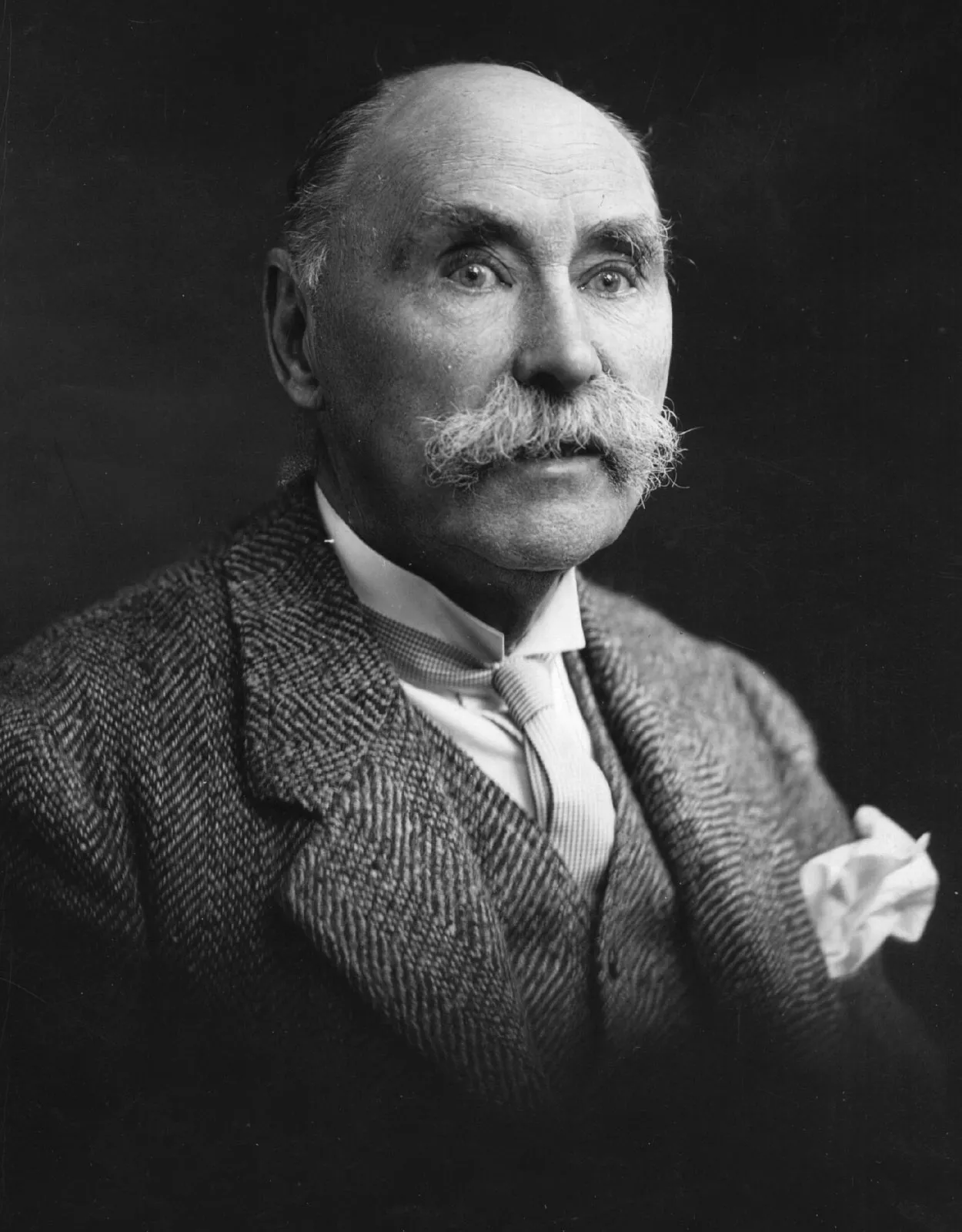
Key Focus on: Douglas Hyde
One of the key figures in this case study is Douglas Hyde. He is someone that can often be asked about when this unit is an essay topic and is a very important figure in Irish history. Below are several key points in him that you can use to guide your study and help incite further research.
-
Douglas Hyde co-founded the Gaelic League in 1893 alongside Eoin MacNeill. They aimed to revive and promote the Irish language and culture, which were in decline due to the influence of English.
-
As the first president of the Gaelic League, Hyde provided strong leadership and vision, steering the organisation towards its cultural revival and linguistic preservation goals.
-
Hyde was a key figure in the Irish Literary Revival, advocating for a cultural renaissance that celebrated Ireland's unique heritage and countered the anglicisation of Irish society.
-
Hyde, an accomplished scholar and linguist, dedicated much of his life to studying and preserving the Irish language, bringing academic rigour to the cultural movement.
- Hyde collected and published Irish folklore and mythology, making these stories accessible to a wider audience and ensuring their preservation for future generations.
- He championed the inclusion of the Irish language in the national school curriculum, advocating for children to learn Irish from a young age to ensure the language's survival.
- Hyde's work influenced many writers and poets of the Irish Literary Revival, providing them with themes and inspiration drawn from Irish folklore, history, and mythology.
- Maintaining that the Gaelic League should remain politically neutral, Hyde focused on cultural and linguistic revival, though his efforts naturally supported the broader nationalist cause.
- He promoted the use of Irish in everyday life, encouraging people to speak the language at home, in schools, and within their communities to foster a sense of national identity.
- Under Hyde's leadership, the Gaelic League organised language classes, published literature in Irish, and held cultural events to promote Irish language and traditions.
- Hyde's efforts contributed to a renewed sense of national pride and identity among the Irish people, linking cultural revival with the broader movement for Irish nationalism.
- Hyde's cultural and academic contributions were recognised when he became the first President of Ireland in 1938, symbolising the success of the cultural revival.
- His advocacy for the Irish language in education led to establishing Gaelscoileanna, schools where Irish is the medium of instruction, ensuring the language's transmission to future generations.
- Hyde's leadership and vision helped the Gaelic League become one of the most successful cultural nationalist movements in Ireland, significantly impacting the country's cultural landscape.
- His work laid the groundwork for future cultural and political leaders, influencing the direction of Irish nationalism and cultural policies long after his active involvement.