Space Technology (Leaving Cert History): Revision Notes
📚Revision Notes
Space Technology
Note
This will tie into the Moon landing notes but is still important context to have if you wish to avoid answering specifically on the Moon landing and prefer to write about advances in technologies. These notes are broken up into easily digestible chunks that will not only aid study but could actually double up as paragraph headings if you wish to write an essay on advances in space tech.
Early Milestones
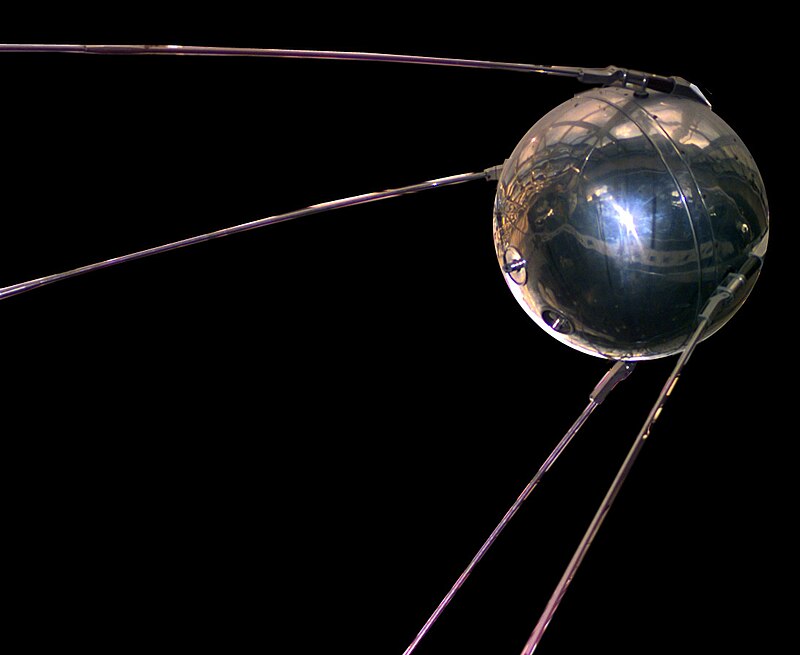
- Sputnik - The Soviet Union's launch of Sputnik 1, the first artificial satellite, on October 4, 1957, shocked the U.S. and highlighted the need for advancements in space technology. This event marked the beginning of the Space Race.
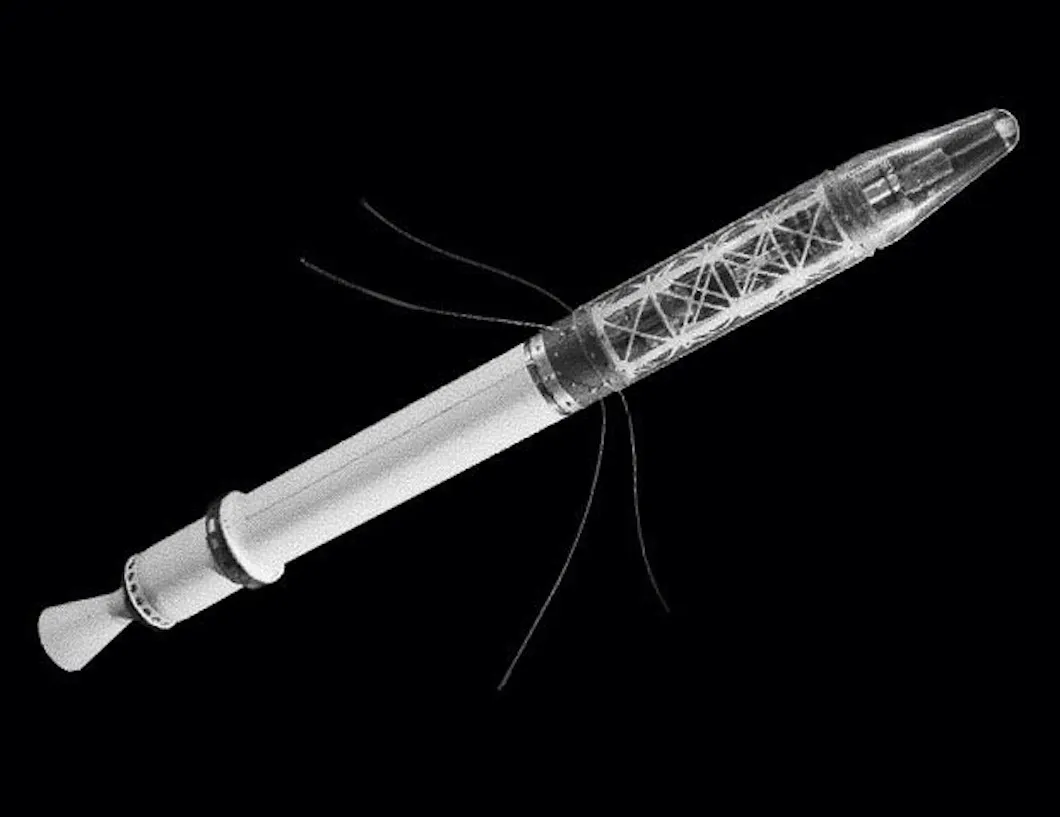
- Explorer 1 - In response, the U.S. launched its first satellite, Explorer 1, on January 31, 1958. It discovered the Van Allen radiation belts, a significant scientific finding.
Formation of NASA
- NASA Creation - In response to the Sputnik crisis, the U.S. government established the National Aeronautics and Space Administration (NASA) on July 29, 1958, to coordinate and advance its space efforts.
- Project Mercury - NASA's first major programme aimed to send a human into space. The programme successfully launched Alan Shepard, the first American in space, on May 5, 1961, aboard Freedom 7. John Glenn followed as the first American to orbit the Earth on February 20, 1962, in Friendship 7.
Moon Missions
- Apollo Program - Initiated in 1961, the Apollo programme aimed to land a man on the Moon and return safely. President John F. Kennedy's famous speech on May 25, 1961, set the ambitious goal of landing on the Moon before the decade's end.
- Apollo 11 - On July 20, 1969, Apollo 11 achieved this goal when astronauts Neil Armstrong and Buzz Aldrin became the first humans to set foot on the Moon. Armstrong's words, "That's one small step for man, one giant leap for mankind," became iconic.
Advancements in Rocketry
- Redstone Rockets - Initially developed for military purposes, Redstone rockets were adapted for space exploration, launching the first U.S. astronaut, Alan Shepard.
- Saturn V - The most powerful rocket ever built, the Saturn V was crucial for the Apollo missions. It successfully launched humans to the Moon and safely returned them to Earth.
Unmanned Missions and Satellites
- Pioneer and Ranger Programs - These early unmanned missions aimed to explore the Moon and other celestial bodies, providing vital data and paving the way for manned missions.
- Weather and Communication Satellites - Satellites like TIROS-1, launched in 1960, revolutionised weather forecasting, while communication satellites like Telstar improved global communications.
Technological and Scientific Impacts
- The demands of space missions accelerated the development of computer technology, leading to advancements in miniaturisation and reliability.
- Space exploration drove innovations in materials science, resulting in new materials capable of withstanding extreme conditions.