Vegetarian Diets (Leaving Cert Home Economics): Revision Notes
📚Revision Notes
Vegetarian Diets
Introduction
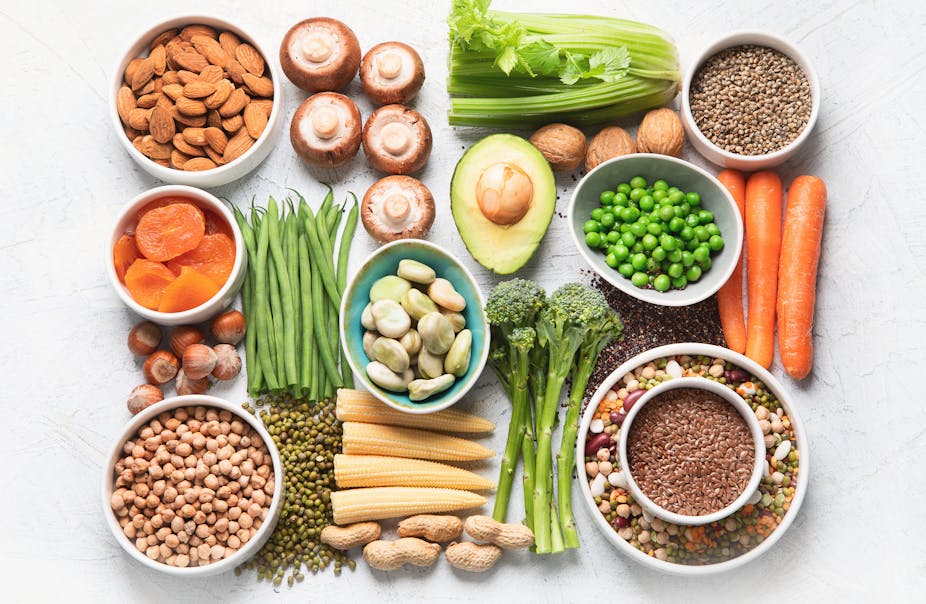
Vegetarian diets focus on consuming plant-based foods whilst limiting or completely avoiding animal products. These diets vary significantly depending on which animal products are excluded, creating different categories of vegetarian eating patterns. Understanding these variations is crucial for ensuring proper nutrition and meeting individual dietary needs.
Note
The flexibility within vegetarian eating patterns allows individuals to choose an approach that aligns with their personal values, health goals, and practical considerations while still maintaining nutritional adequacy.
Types of vegetarian diets
Each type of vegetarian diet has distinct characteristics that determine which foods are included or excluded. Understanding these differences helps in making informed dietary choices and ensuring nutritional needs are met.
Lacto-vegetarian diet
Important
A lacto-vegetarian diet includes plant-based foods and dairy products whilst excluding meat, poultry, fish, and eggs.
This type of vegetarian diet allows individuals to obtain protein and calcium from dairy sources. The inclusion of dairy products makes this diet relatively easy to balance nutritionally. Key foods include:
- Vegetables, fruits, grains, legumes, nuts, and seeds
- Dairy products such as milk, cheese, and yoghurt
Lacto-ovo vegetarian diet
Important
A lacto-ovo vegetarian diet incorporates both dairy products and eggs alongside plant-based foods.
This is often considered the most flexible vegetarian approach, providing multiple protein sources and making meal planning more straightforward. The combination of plant foods, dairy, and eggs offers excellent nutritional diversity. Key foods include:
- All lacto-vegetarian foods
- Eggs in various preparations
Vegan diet
Important
A vegan diet excludes all animal products, including dairy, eggs, and honey.
This is the most restrictive form of vegetarian eating, relying entirely on plant-based nutrition. While nutritionally complete when well-planned, vegan diets require more careful attention to certain nutrients. Key foods include:
- Vegetables, fruits, grains, legumes, nuts, and seeds only
- Plant-based alternatives to dairy and meat products
Pescetarian diet
Important
A pescetarian diet follows vegetarian principles but includes fish and seafood.
This diet provides access to marine-based proteins and omega-3 fatty acids, which can be beneficial for heart and brain health. Key foods include:
- Plant-based foods
- Fish and seafood
- May or may not include dairy products and eggs
Pollo-vegetarian diet
Important
A pollo-vegetarian diet excludes red meat and fish but includes poultry.
This represents a transitional approach for those moving towards full vegetarianism, allowing gradual dietary changes. Key foods include:
- Plant-based foods
- Poultry products
- Possibly dairy products and eggs
Reasons for choosing vegetarian diets
People adopt vegetarian diets for various interconnected reasons that often complement each other in their decision-making process.
Health benefits
Research suggests vegetarian diets may reduce the risk of chronic conditions such as:
- Heart disease
- Hypertension
- Type 2 diabetes
- Certain types of cancer
Note
Studies consistently show that well-planned vegetarian diets are associated with lower body mass index, reduced cholesterol levels, and improved overall longevity compared to typical omnivorous diets.
Ethical concerns
Many choose vegetarianism due to concerns about animal welfare and opposition to killing animals for food production. This ethical stance often extends to considerations about factory farming practices and animal treatment.
Environmental considerations
Animal farming requires significant resources and contributes to greenhouse gas emissions. Vegetarian diets typically have a lower environmental footprint, requiring less water, land, and energy to produce the same amount of nutrition.
Cultural and religious beliefs
Various cultures and religions promote vegetarian eating as part of their traditions and spiritual practices, making dietary choices deeply connected to personal identity and community values.
Nutritional requirements and considerations
Proper nutrition is achievable with all types of vegetarian diets, but requires understanding of key nutrients and their plant-based sources.
General nutritional needs
All vegetarian diets require careful planning to ensure adequate nutrition. Understanding where to obtain essential nutrients from plant sources is fundamental to maintaining good health.
Example
Practical Meal Planning Example:
Breakfast: Fortified plant milk with whole grain cereal and nuts Lunch: Lentil and vegetable curry with brown rice Dinner: Quinoa salad with chickpeas, vegetables, and tahini dressing
This combination provides complete proteins, iron, calcium, and various vitamins throughout the day.
Protein sources: Legumes, nuts, seeds, whole grains, and soy products provide essential amino acids. Lacto-ovo vegetarians also obtain protein from eggs and dairy products.
Iron requirements: Plant-based iron sources include legumes, fortified cereals, leafy green vegetables, and dried fruits. Consuming vitamin C-rich foods enhances iron absorption.
Calcium needs: Lacto-vegetarians obtain calcium from dairy products, whilst vegans require fortified plant milks, tofu, and leafy greens.
Vitamin B12 considerations: This vitamin occurs naturally only in animal products, making supplementation or fortified foods essential for vegans.
Omega-3 fatty acids: Plant sources include flaxseeds, walnuts, chia seeds, and hemp seeds.
Specific requirements for vegans
Vegan diets require additional attention to ensure nutritional completeness due to the exclusion of all animal products.
Important
Vegans must pay particular attention to vitamin B12, vitamin D, omega-3 fatty acids, and ensuring adequate protein combining to maintain optimal health.
Vegan diets require additional attention to:
- Complete proteins: Combining different plant proteins throughout meals ensures adequate amino acid profiles
- Vitamin D: Fortified foods or supplements, particularly important in regions with limited sun exposure
- Zinc: Available in whole grains, legumes, nuts, and seeds
Common nutrient deficiencies and prevention strategies
Understanding potential nutritional gaps helps vegetarians make informed choices and prevent health issues before they develop.
Primary concerns
Protein inadequacy: Risk of incomplete protein intake can be addressed by combining various plant proteins throughout the day.
Iron deficiency: Risk of iron-deficiency anaemia can be reduced by consuming iron-rich plant foods alongside vitamin C sources to enhance absorption.
Calcium deficiency: Particularly concerning for vegans, who should consume fortified plant milks and calcium-set tofu.
Important
Vitamin B12 deficiency is common in vegans and requires fortified foods or supplements to prevent serious health consequences including neurological damage and anaemia.
Omega-3 fatty acid insufficiency: Lack in vegan diets necessitates plant-based omega-3 sources or supplements.
Prevention strategies
Proactive approaches to nutrition help maintain optimal health throughout vegetarian eating patterns.
Note
Regular health monitoring through blood tests every 6-12 months can help identify potential deficiencies early, particularly for vitamin B12, iron, and vitamin D levels.
Prevention strategies include:
- Plan meals carefully to include diverse nutrient sources
- Use fortified foods when appropriate
- Consider supplements for critical nutrients like B12
- Combine foods to enhance nutrient absorption
- Regular health monitoring through blood tests
Summary
Key Points to Remember:
- Different types: Vegetarian diets range from lacto-vegetarian (includes dairy) to vegan (excludes all animal products)
- Multiple motivations: People choose vegetarian diets for health, ethical, environmental, and cultural reasons
- Careful planning required: All vegetarian diets need thoughtful meal planning to ensure adequate nutrition
- B12 supplementation essential: Vegans must supplement vitamin B12 or consume fortified foods to prevent deficiency
- Protein combining helpful: Mixing different plant proteins ensures complete amino acid profiles for optimal health