The Irish Food Industry (Leaving Cert Home Economics): Revision Notes
📚Revision Notes
The Irish Food Industry
Ireland's food industry represents a vibrant and essential component of the nation's economy. This sector contributes significantly to employment creation, international trade relationships, and overall economic growth throughout the country.
Structure of the Irish food industry
The Irish food industry encompasses several key sectors, each playing a distinctive role in the national economy and contributing to Ireland's reputation for producing high-quality food products.
Note
The Irish food industry's structure reflects the country's natural advantages, including its favourable climate, extensive coastline, and rich agricultural heritage. This foundation has enabled Ireland to develop expertise across multiple food production sectors.
Major sectors
The industry consists of six primary sectors that form the backbone of Irish food production:
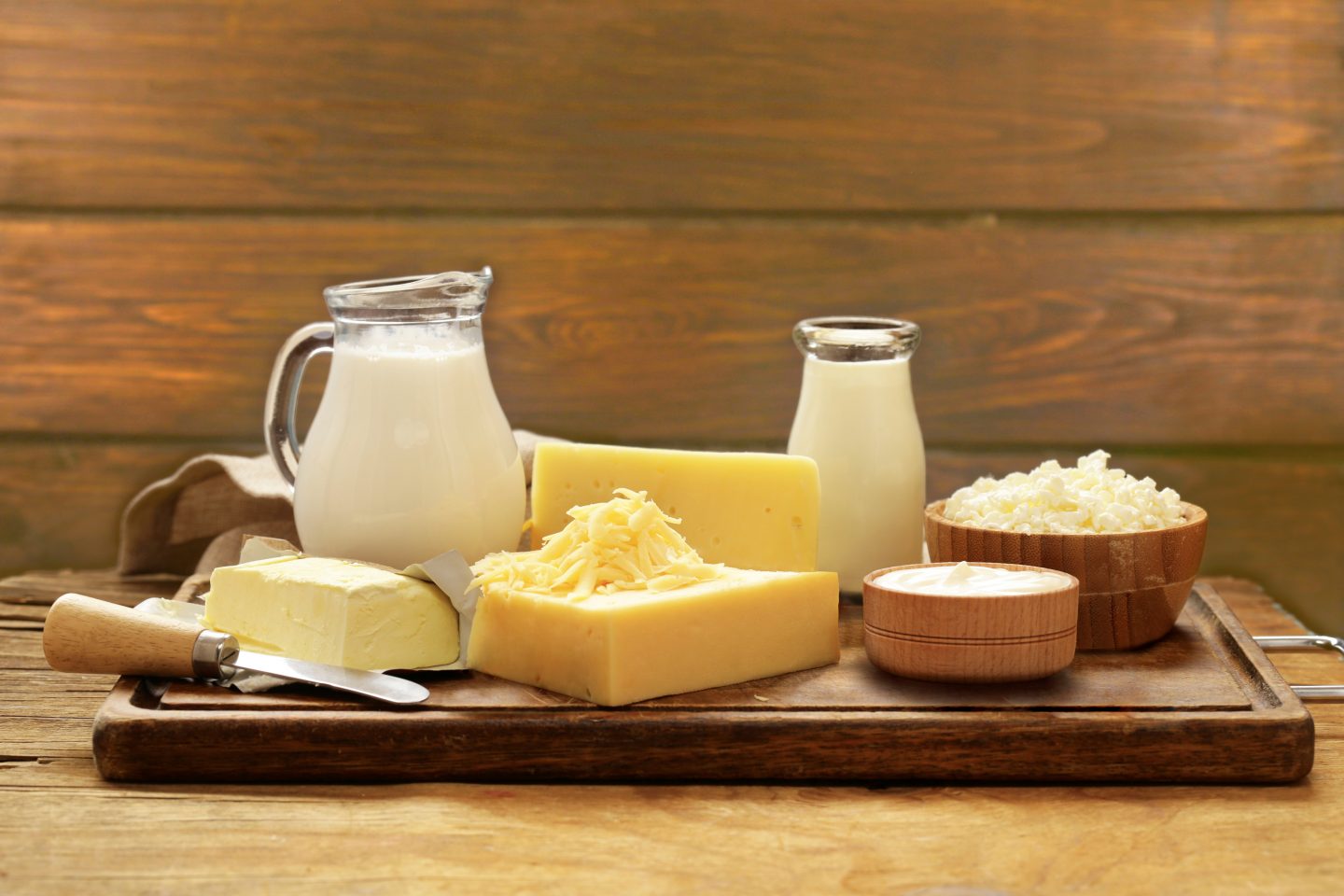
Dairy sector This sector stands as one of Ireland's most significant agricultural areas. The country has built a strong reputation internationally for producing exceptional milk and dairy products. Irish dairy farms benefit from the country's favourable climate and natural grasslands, which contribute to the superior quality of their output.
Meat and livestock sector This area encompasses the production of beef, lamb, pork, and poultry. Ireland has gained particular recognition globally for its grass-fed beef, which is highly valued in international markets due to the natural feeding methods used and the quality of Irish grasslands.
Seafood sector Ireland's extensive coastline provides excellent opportunities for both fishing and aquaculture operations. The sector particularly focuses on salmon, mackerel, and shellfish production, taking advantage of the country's clean coastal waters and maritime expertise.
Cereal and bakery products This sector involves producing bread, cereals, and various other bakery items. It serves both domestic consumption needs and export markets, contributing to Ireland's diverse food production portfolio.
Beverage sector Ireland has developed a notable reputation for producing whiskey, beer, and other alcoholic beverages. These products are particularly important for export markets and contribute significantly to Ireland's international brand recognition.
Convenience and prepared foods This represents a growing area within the industry, focusing on ready meals and snack foods. This sector has expanded in response to changing consumer lifestyles and demands for convenient food options.
Major food imports and exports
Ireland maintains a balanced approach to international food trade, both exporting its speciality products and importing items that complement the domestic food supply.
Key exports Irish food exports primarily consist of dairy products, beef, beverages (particularly whiskey and beer), and seafood. These products have gained international recognition for their quality and are essential contributors to Ireland's export economy. The success of these exports demonstrates the strength of Irish food production standards and the global appeal of Irish food products.
Essential imports Ireland imports various products including exotic fruits, coffee, spices, and speciality items that are not produced locally. These imports help diversify the food options available to Irish consumers and support the country's hospitality and retail sectors.
Career opportunities in the Irish food industry
The food industry offers diverse career paths across multiple disciplines, each requiring specific skills and qualifications.
Important
Success in food industry careers typically requires a combination of technical knowledge, practical skills, and understanding of food safety regulations. Many roles also demand strong communication abilities and business acumen.
Agriculture and farming
This field offers roles such as farm manager, agricultural consultant, and agronomist. Success in these positions requires knowledge of agricultural practices, business management skills, and understanding of environmental sustainability principles.
Food science and technology
Career options include food scientist, food technologist, and quality assurance officer. These roles demand scientific knowledge, research capabilities, and thorough understanding of food safety regulations.
Food marketing and sales
Opportunities exist as marketing manager, sales representative, and brand manager. These positions require business acumen, strong communication abilities, and knowledge of consumer trends and market dynamics.
Hospitality and culinary arts
This sector provides roles such as chef, restaurant manager, and food stylist. Success requires culinary skills, creativity, and customer service expertise.
Nutrition and dietetics
Career paths include dietitian, nutritional therapist, and food labelling specialist. These roles require understanding of nutrition science, diet planning, and health regulations.
Food processing and manufacturing
Opportunities exist as process engineer, production manager, and packaging specialist. These positions require technical knowledge of food processing methods, quality control systems, and production management principles.
Research and development
This field offers roles as R&D scientist, product development specialist, and food innovation consultant. These careers require scientific research skills, creativity, and focus on food innovation and development.
Small businesses and home enterprises
Small-scale food businesses play an essential role in Ireland's food industry landscape, contributing unique value that complements larger commercial operations.
Important
Small businesses are independently owned and operated companies with limited size and revenue compared to larger corporations. Home enterprises are typically operated from the home, usually family-run and often focus on niche or artisanal products.
Contributions to the food industry
Innovation leadership Small businesses and home enterprises often lead food industry innovation by experimenting with new recipes, ingredients, and production techniques. Their flexibility allows them to adapt quickly to market trends and consumer preferences.
Local economic support These businesses provide valuable local employment opportunities and contribute to the economic vitality of their communities. They help maintain economic diversity within regions and support local supply chains.
Cultural preservation Many small businesses and home enterprises preserve traditional food preparation methods and recipes, contributing to Ireland's cultural heritage. They maintain connections to historical food practices that might otherwise be lost.
Niche market fulfillment These businesses often serve specific market niches, such as organic foods, artisanal cheeses, or speciality baked goods. They can respond to specialised consumer demands that larger companies might not address.
Examples in Ireland
Example
Practical Example: Farmhouse Cheese Producers
These businesses typically produce cheese using milk from their own herds, emphasising quality and traditional production methods. They often sell directly to consumers or speciality food retailers, creating a direct farm-to-consumer relationship that ensures freshness and quality control.
Example
Practical Example: Boutique Bakeries
These establishments specialise in artisan bread, pastries, and cakes, often using locally sourced ingredients. They focus on quality, craftsmanship, and unique product offerings that differentiate them from mass-produced alternatives.
Example
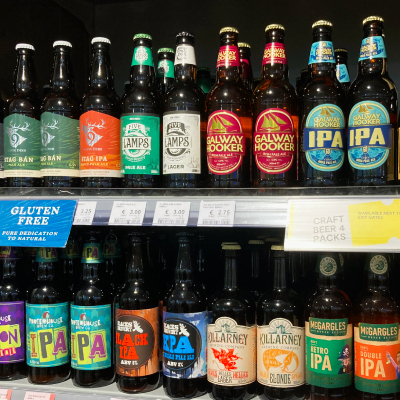
Practical Example: Craft Breweries
These businesses produce distinctive, small-batch beers and have contributed to the resurgence of the craft beer movement in Ireland. They often experiment with unique flavours and brewing techniques, creating products that reflect local tastes and traditions.
Challenges faced
Limited resources Smaller businesses often have restricted access to capital and resources compared to larger companies. This can limit their ability to invest in equipment, marketing, or expansion.
Market competition Small businesses face intense competition from larger, more established food companies that may have advantages in pricing, distribution, and brand recognition.
Regulatory compliance Meeting food safety standards and regulations can be challenging and costly for smaller enterprises, which may lack dedicated compliance resources.
Government support and initiatives
The Irish government recognises the importance of small food businesses and provides various forms of support.
Note
Government support for small food businesses reflects the recognition that these enterprises contribute significantly to economic diversity, cultural preservation, and innovation within the Irish food industry.
Financial assistance Government bodies offer grants and funding opportunities to support small food businesses. These financial resources help businesses overcome capital constraints and invest in growth.
Training and development programmes Educational and training opportunities are available for small business owners and entrepreneurs in the food industry. These programmes help develop business skills and industry knowledge.
Marketing and promotion Government initiatives work to promote local and artisanal products both domestically and internationally. This support helps small businesses reach broader markets and increase their visibility.
Summary
Key Points to Remember:
- The Irish food industry consists of six major sectors: dairy, meat and livestock, seafood, cereal and bakery products, beverages, and convenience foods
- Ireland exports high-quality dairy products, grass-fed beef, whiskey, beer, and seafood while importing exotic fruits, coffee, and spices
- Career opportunities span from agriculture and food science to marketing, hospitality, and research and development
- Small businesses and home enterprises contribute through innovation, local economic support, cultural preservation, and serving niche markets
- Government support includes grants, training programmes, and marketing initiatives to help small food businesses overcome challenges and thrive