An Appliance with a Heating Element (Leaving Cert Home Economics): Revision Notes
📚Revision Notes
An Appliance with a Heating Element
Kettles are essential household appliances that heat water quickly and efficiently for daily tasks like making hot drinks or preparing instant meals. Understanding how kettles work and how to use them properly ensures both safety and optimal performance.
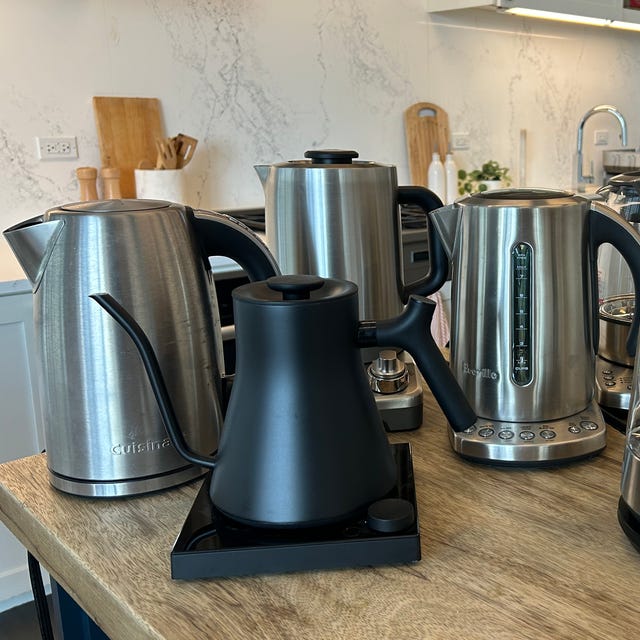
Design and construction
Modern kettles consist of several key components that work together to heat water safely and efficiently.
Jug
The main container holds the water during heating. Kettles are manufactured using various materials including stainless steel, glass, or plastic. Each material offers different benefits - stainless steel provides durability, glass allows you to see the water level clearly, and plastic keeps costs down whilst remaining lightweight.
Tightly fitting lid
This component serves a crucial role in maintaining efficiency. By keeping steam and heat contained within the kettle, the lid accelerates the boiling process and reduces energy waste. A properly fitting lid also prevents heat loss during operation.
Note
The lid design significantly impacts the kettle's energy efficiency. A poorly fitting lid can increase boiling time by up to 25% and waste considerable energy through heat loss.
Spout
The pouring mechanism allows controlled water flow whilst minimising spillage. Different spout designs can significantly impact how easy the kettle is to use, with some featuring wider openings for easier pouring and others designed for precision control.
Water level indicator
This feature shows users exactly how much water is inside the kettle. It prevents both overfilling (which wastes energy) and underfilling (which could damage the appliance). Most indicators show minimum and maximum fill levels clearly marked.
Heating element
The heating element is the core component that transforms electrical energy into thermal energy. It's typically concealed within the base to prevent limescale accumulation and make cleaning easier.
Important
The heating element is the most critical component of any electric kettle. Modern concealed elements are safer and more efficient than older exposed coil designs, as they prevent direct contact with water and reduce limescale buildup.
Handle
Designed with ergonomics and safety in mind, the handle uses heat-resistant materials to protect users from burns. Good handle design ensures comfortable grip and safe operation even when the kettle body becomes hot.
On/off switch
Usually positioned on the handle for convenient access, this switch activates the heating element to begin the boiling process. Many switches feature a spring mechanism that automatically returns to the 'off' position when the thermostat cuts power.
Indicator light
This visual signal confirms when the kettle is operating, helping users know the appliance is working correctly. The light typically turns off automatically when boiling is complete.
Flex and three-pin plug
The electrical connection links the kettle to the mains power supply. Flex length affects where you can position the kettle for use, so consider this when choosing a location for your appliance.
Thermostat
This temperature control mechanism automatically disconnects power once water reaches boiling point. By preventing overheating, the thermostat protects both the appliance and prevents the kettle from boiling dry.
Boil-dry device
An important safety feature that cuts electrical power if the water level becomes too low. This protection prevents the heating element from overheating and potentially causing damage to the appliance.
Working principle
The kettle operates through a straightforward process involving electrical energy conversion and heat transfer:
Example
Working Example: How a Kettle Heats Water
Step 1: Electrical activation - When switched on, electricity flows through the heating element, which converts this electrical energy into heat through electrical resistance
Step 2: Heat transfer - The generated heat moves from the element into the water through conduction, whilst convection currents distribute this heat evenly throughout the water
Step 3: Temperature monitoring - The thermostat continuously checks water temperature and automatically switches off the power once boiling point is reached
Step 4: Safety backup - The boil-dry device monitors water levels and cuts power if insufficient water is detected, preventing element damage
The process relies on two main types of heat transfer: conduction (direct heat transfer from element to water) and convection (heat distribution through water movement).
Guidelines for using a kettle
Note
Proper operation ensures both safety and energy efficiency. Following these guidelines will help you get the best performance from your kettle while maintaining safety standards.
- Fill appropriately: Always use the minimum and maximum level guides. Avoid overfilling to prevent spilling and ensure efficient boiling
- Operate safely: Ensure the lid closes securely and always use the handle to avoid contact with hot surfaces during and after use
- Energy efficiency: Only boil the amount of water actually needed to reduce energy consumption and waiting time
- Supervision: Never leave a kettle unattended whilst in operation to prevent potential accidents
Important
Common Mistake to Avoid: Never operate a kettle without sufficient water. The boil-dry device will protect the appliance, but repeatedly triggering this safety feature can reduce the kettle's lifespan.
Guidelines for caring for and cleaning a kettle
Regular maintenance extends appliance life and ensures optimal performance:
Note
Maintenance Schedule: Light cleaning after each use, thorough cleaning weekly, and descaling monthly (or more frequently in hard water areas).
- Regular cleaning: Empty and rinse the kettle after each use to prevent limescale accumulation. Clean the exterior with a damp cloth to maintain appearance
- Descaling: Use commercial descaling products or natural alternatives like vinegar or lemon juice to remove mineral deposits. This is especially important in hard water areas where limescale builds up quickly
- Check for wear: Regularly inspect the electrical flex and plug for signs of damage or wear that could create electrical hazards
- Storage: When not in regular use, empty the kettle completely and store in a dry location with the cord safely secured
Summary
Key Points to Remember:
- The heating element converts electrical energy into heat through resistance, making it the most important component
- Safety features like the thermostat and boil-dry device protect both users and the appliance from damage
- Proper filling prevents both energy waste and potential safety hazards
- Regular descaling maintains efficiency and extends appliance lifespan
- Always supervise operation and use the handle to avoid burns from hot surfaces