Preparation and Cooking Appliances (Leaving Cert Home Economics): Revision Notes
📚Revision Notes
Preparation and Cooking Appliances
Kitchen appliances play a crucial role in modern food preparation and cooking. Understanding the different types available, how to use them safely, and how to maintain them properly is essential for anyone working in a kitchen environment.
Types of appliances
Food preparation appliances
Food preparation appliances help with the initial stages of cooking by processing ingredients before the actual cooking begins. These tools save time and effort whilst ensuring consistent results.
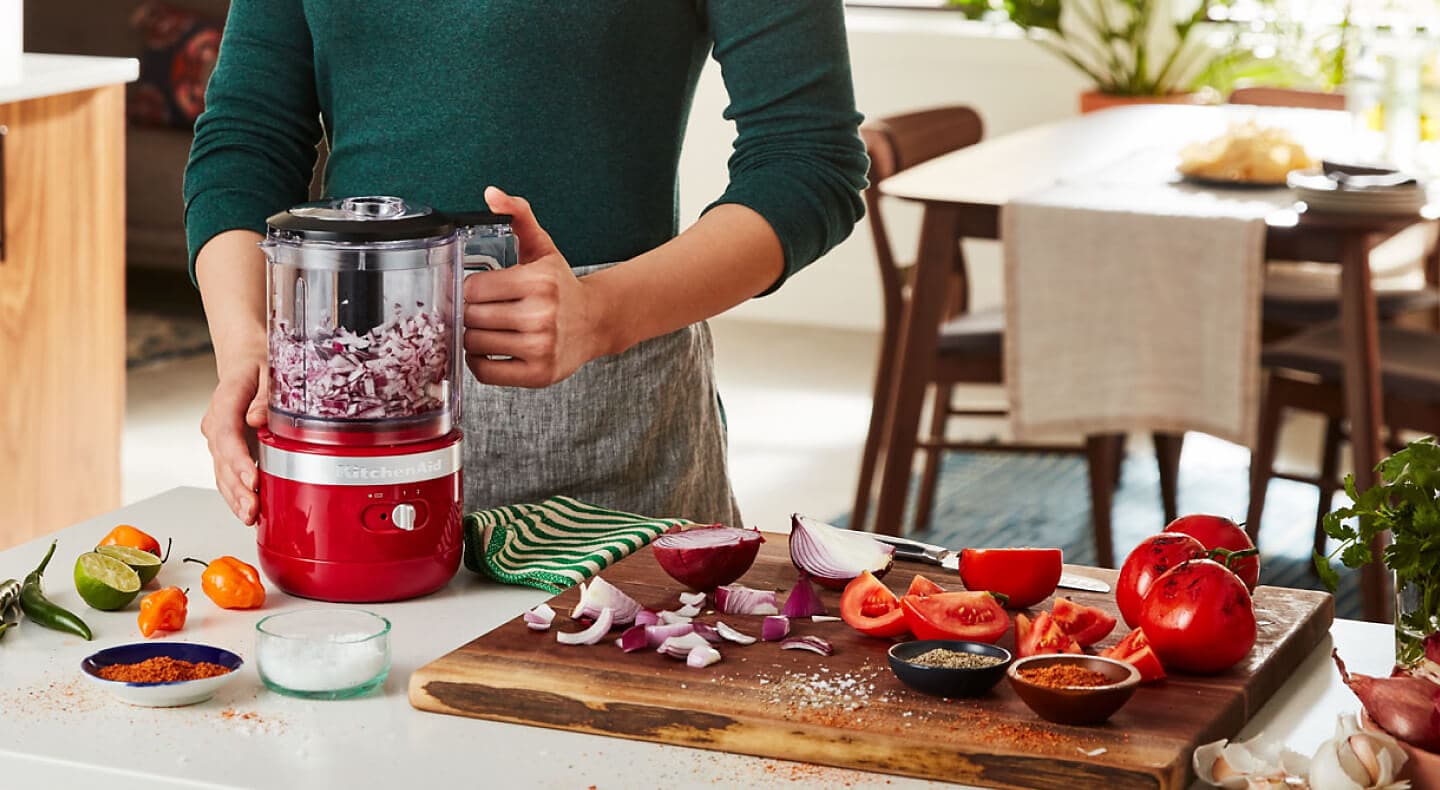
Blenders and food processors are versatile machines that can purée ingredients, blend smoothies, and chop vegetables. Food processors often come with multiple attachments for different tasks like slicing and grating.
Note
Food processors are particularly valuable in commercial kitchens where consistency and speed are essential. Many professional models can process large quantities of ingredients in minutes, making them indispensable for busy food service operations.
Mixers come in two main varieties: stand mixers and hand mixers. They excel at combining ingredients, whisking air into mixtures, and kneading dough for bread and pastries.
Juicers extract liquid from fresh fruits and vegetables, separating the juice from the pulp. This allows you to create fresh, nutritious drinks whilst removing the fibre content.
Coffee grinders break down coffee beans and other small seeds into fine particles. They ensure maximum flavour extraction when brewing coffee.
Cooking appliances
Cooking appliances use heat to transform ingredients into finished dishes. Each type offers different cooking methods and temperature controls.
Ovens are available in several types. Conventional ovens use heating elements, convection ovens circulate hot air for even cooking, and microwave ovens use electromagnetic waves. These appliances handle baking, roasting, and reheating tasks effectively.
Stovetops provide direct heat for cooking in pans and pots. Gas hobs offer instant heat control, electric hobs provide steady temperatures, and induction hobs use magnetic fields to heat compatible cookware directly.
Note
Induction cooking is becoming increasingly popular due to its energy efficiency and precise temperature control. The heat is generated directly in the cookware, making it faster and safer than traditional cooking methods.
Pressure cookers trap steam to create high-pressure environments that cook food much faster than traditional methods. They're particularly useful for tough cuts of meat and dried beans.
Toasters and grills apply direct heat to bread and other foods, creating crispy surfaces and distinctive flavours through browning reactions.
Guidelines for safe use of appliances
Safety should always be your top priority when working with kitchen appliances. Following proper procedures prevents accidents and ensures optimal performance.
Food preparation appliances safety
Before using any food preparation appliance, always read the instruction manual thoroughly. This helps you understand the specific features and limitations of your equipment.
Water and electricity don't mix, so keep all electrical appliances away from water sources and wet surfaces. This simple precaution prevents dangerous electric shocks.
When you're finished using an appliance, unplug it from the mains. This eliminates the risk of accidental activation and reduces electrical hazards.
Important
Always ensure that any attachments are properly secured before operating food preparation appliances. Loose attachments can cause serious injury or expensive equipment damage. Take a moment to double-check all connections before starting any appliance.
Cooking appliances safety
Never leave cooking appliances unattended whilst they're in operation. Food can burn quickly, creating fire hazards and producing harmful smoke.
When using induction hobs, you must use the correct type of cookware. Only pans made from ferrous metals (like cast iron or magnetic stainless steel) will work properly with induction technology.
Keep children well away from hot surfaces and operating appliances. Consider using appliances with child safety locks when young children are present.
Proper ventilation is crucial when cooking, especially when using gas appliances or high-temperature cooking methods. Ensure extractor fans are working and windows can be opened if needed.
Safety features in appliances
Modern appliances incorporate various safety mechanisms to protect users and prevent accidents. Understanding these features helps you choose safer equipment and use it more confidently.
Food preparation appliances safety features
Note
Safety locks prevent appliances from operating when they're not properly assembled. This feature stops the motor from running if the lid isn't secured or attachments aren't fitted correctly. This is one of the most important safety innovations in modern food preparation equipment.
Overheat protection automatically shuts down the appliance if it becomes too hot during operation. This prevents motor damage and reduces fire risks.
Non-slip feet provide stability during operation, preventing appliances from moving around on worktops when processing heavy or tough ingredients.
Cooking appliances safety features
Auto shut-off mechanisms turn appliances off after a preset time period. This feature is particularly valuable for busy kitchens where timing is crucial.
Cool-to-touch surfaces on oven doors and handles reduce the risk of burns, even when the internal temperature is very high.
Important
Flame failure devices on gas stoves automatically cut off the gas supply if the flame is extinguished. This prevents dangerous gas leaks that could lead to explosions or carbon monoxide poisoning. This safety feature is mandatory on all modern gas appliances and should never be bypassed or disabled.
Guidelines for the care of appliances
Regular maintenance extends the life of your appliances and ensures they continue to operate safely and efficiently.
Food preparation appliances care
Clean appliances thoroughly after every use to prevent food particles from building up and harbouring bacteria. Pay special attention to areas that come into direct contact with food.
Note
Regular maintenance is not just about cleanliness—it's about preserving your investment. Well-maintained appliances can last decades, whilst neglected ones may fail within a few years. The time spent on proper care pays dividends in reliability and performance.
Regularly inspect blades and attachments for signs of wear or damage. Dull blades work less efficiently and may cause motors to overheat.
Store appliances in dry locations and protect sharp blades with covers when not in use. This prevents rust and accidental cuts.
Cooking appliances care
Clean oven interiors and racks regularly to prevent grease buildup, which can cause unpleasant odours and potential fire hazards.
Descale appliances like kettles and coffee machines regularly, especially in areas with hard water. Mineral deposits reduce efficiency and can damage internal components.
Check door seals and heating elements periodically to ensure they're not damaged or worn. Faulty seals waste energy, whilst damaged heating elements pose safety risks.
Keep ventilation systems clean by regularly cleaning and checking extractor hoods and fans. Blocked ventilation reduces air quality and increases fire risks.
Summary
Key Points to Remember:
- Different appliances serve specific purposes - food preparation appliances process ingredients, whilst cooking appliances apply heat to transform them
- Safety features like overheat protection and safety locks help prevent accidents, but you must still follow proper operating procedures
- Induction hobs require ferrous metal cookware to function properly, as they use magnetic fields to generate heat
- Regular cleaning and maintenance extends appliance life and ensures safe operation
- Never leave cooking appliances unattended and always ensure proper ventilation when cooking