Textiles Overview (Leaving Cert Home Economics): Revision Notes
📚Revision Notes
Textiles Overview
Introduction to textiles
Textiles play a vital role in both our personal lives and home environments. They serve multiple purposes, from basic protection to aesthetic enhancement. Understanding textiles helps us make better choices for clothing, household items, and interior design.
Note
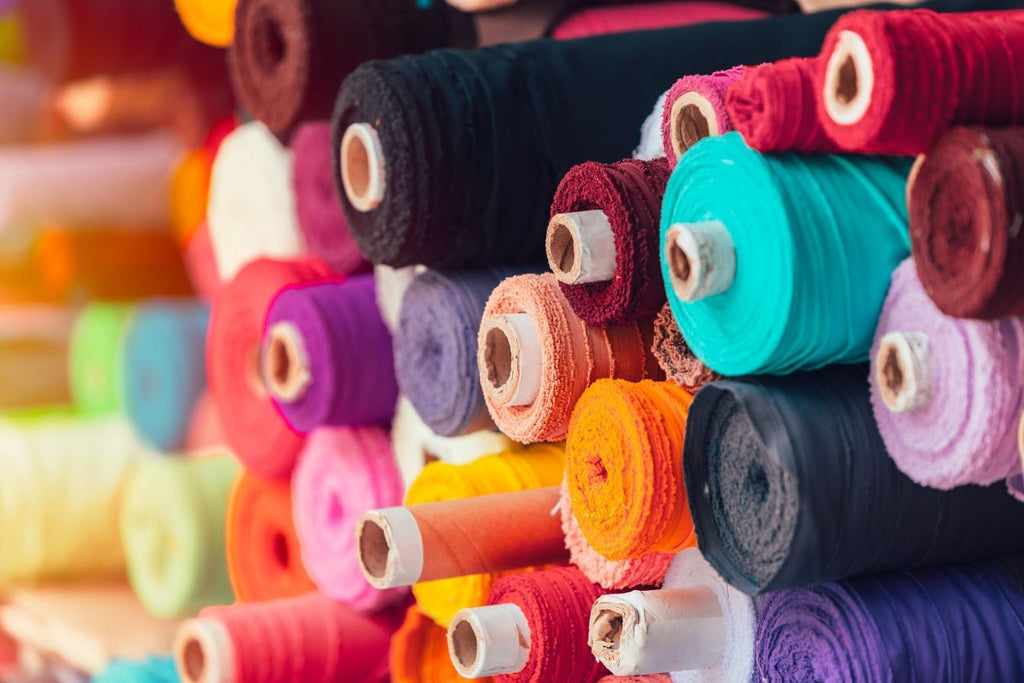
Textiles encompass all materials made from interlacing fibres, including woven, knitted, and non-woven fabrics used in clothing, household items, and industrial applications.
Functions of clothing
Clothing serves four main purposes that go beyond simply covering our bodies:
Important
Protection - Clothing acts as a barrier against environmental dangers including extreme temperatures, harmful UV rays, and dangerous substances. Specialised garments like fire-resistant clothing and insulating materials are designed for specific protective needs.
- Modesty - Social expectations require body coverage, though these standards differ significantly between cultures and time periods
- Identification - Uniforms and particular clothing styles help identify someone's job, social position, or group membership, making social interactions easier
- Adornment - Fashion enables people to show their personal style and taste, boosting confidence and helping with social connections
Example
Practical Example: Functions in Work Clothing
A firefighter's uniform demonstrates all four functions:
- Protection: Heat-resistant materials protect against flames and high temperatures
- Identification: Reflective stripes and badges identify the person as emergency services
- Modesty: Provides appropriate coverage for professional appearance
- Adornment: Well-maintained uniform shows pride in profession and creates confidence
Functions of household textiles
Household textiles, from bedding to curtains, improve our living spaces in several important ways:
- Comfort - Items like blankets and upholstered furniture provide warmth, softness, and physical support
- Protection - Curtains, carpets, and furniture covers shield against dust, sunlight, and general wear, helping items last longer
- Hygiene - Towels, bed linens, and kitchen textiles help maintain cleanliness and promote health in our homes
- Aesthetic appeal - Textiles add colour, texture, and style to interior spaces, creating ambiance and enhancing the overall look of rooms
Note
The choice of household textiles significantly impacts the functionality and atmosphere of living spaces, making them essential elements of interior design.
Factors to consider when choosing textiles
When selecting textiles, you need to think about several key aspects:
- Suitability for purpose - The textile's intended use determines what properties matter most, such as durability for heavy-use items, warmth for winter clothing, or easy cleaning for frequently washed items
- Cost - Budget limitations affect textile choices, requiring a balance between price and quality to meet needs without overspending
- Aesthetic appeal and personal preference - Individual taste in colour, pattern, and texture significantly influences textile selection, reflecting personal style and complementing overall design schemes
- Care and cleaning requirements - How easy something is to maintain matters greatly, especially for items that get dirty often or are highly visible
- Durability - A textile's ability to resist wear, pressure, and damage affects how long it will last and its overall value
- Environmental impact - The ecological effects of textile production, including manufacturing processes and recyclability, increasingly influence consumer decisions
Summary
Key Selection Criteria:
- Purpose and functionality requirements
- Budget and value considerations
- Personal style and aesthetic preferences
- Maintenance and care practicality
- Expected lifespan and durability needs
- Environmental and sustainability factors
The care of fabrics
Proper fabric care relies on understanding several scientific principles that work together during cleaning:
Detergents
Important
Detergents contain various components, each serving a specific cleaning function.
- Surfactants - These primary cleaning agents lower water's surface tension, allowing it to penetrate fabrics more easily and dissolve oils and dirt
- Conditioners - Added to soften water by preventing minerals in hard water from interfering with the cleaning process
- Bleach - Used for whitening and removing stains; chlorine-based bleach works powerfully whilst oxygen-based bleach is gentler on colours
- Fluorescents (optical brighteners) - These absorb ultraviolet light and re-emit it as visible blue light, making fabrics appear whiter and brighter
- Enzymes - Specific enzymes target particular stain types, such as proteases breaking down protein stains and lipases tackling fatty stains
Water properties
Water quality significantly affects cleaning effectiveness. Hard water contains minerals that can reduce detergent performance, whilst soft water typically requires less detergent for good results.
Water temperature
Temperature influences how well stains dissolve and how active detergent enzymes become. Hot water works better for oily stains and activating certain detergents, but can shrink or damage some fabrics.
Agitation
Physical movement helps loosen and remove dirt from fabrics. The amount of agitation needed varies depending on fabric type and soil level - delicate materials need gentler treatment to prevent damage.
Fabric softeners
These products coat fabric fibres with a thin layer that reduces static electricity, softens materials, and can add pleasant scents. However, excessive use can reduce fabric absorbency, particularly problematic for towels.
Water removal
Effective water extraction is crucial for fabric care, especially for heavy or highly absorbent materials. Removing excess water through spinning or pressing speeds drying and reduces the risk of mildew development.
Example
Worked Example: Enzyme Action in Stain Removal
For a grass stain on cotton fabric:
- Identify stain type: Grass contains chlorophyll (plant proteins) and tannins
- Select appropriate enzyme: Use proteases to break down protein components
- Apply pre-treatment: Soak in enzyme detergent for 30 minutes
- Wash normally: Use warm water to activate enzymes effectively
- Check results: Enzymes should have broken down protein bonds, releasing the stain
Practical fabric care applications
Understanding these principles helps with real-world fabric care decisions:
Note
Applying scientific principles to everyday fabric care ensures both effective cleaning and fabric preservation, extending textile lifespan while maintaining appearance and functionality.
- Reading care labels - Fabric care symbols provide essential guidance for proper treatment
- Choosing appropriate detergents - Selecting products based on fabric type (delicate, colour-safe, heavy-duty) ensures effective cleaning whilst preserving materials
- Water hardness adjustments - In hard water areas, using water conditioners or specially formulated detergents improves cleaning results
- Temperature matching - Using water temperatures suited to both fabric requirements and stain types prevents damage whilst ensuring effective cleaning
- Load balancing - Proper washing machine loading ensures adequate agitation without excessive wear on fabrics
- Wise use of softeners - Understanding when to use or avoid fabric softeners maintains textile performance where absorbency matters
Types of fabrics
Natural fabrics
Wool (animal fibre)
Important
Wool comes from animals and offers excellent insulating properties due to its ability to trap air.
Properties: Wool provides exceptional warmth, bounce-back ability, and stretch. It can absorb moisture up to one-third of its weight without feeling damp and has excellent insulating qualities. Wool fibres naturally resist flames and tend to repel light stains.
Care guidelines: Wool needs gentle treatment. It should be hand-washed or machine-washed using a wool cycle with cold water and mild detergent. Dry flat to maintain shape and prevent stretching. Avoid direct heat and strong sunlight to prevent shrinkage and colour fading.
Uses: Its warmth and durability make wool popular for jumpers, scarves, suits, and blankets. Moisture-managing properties also make it excellent for active wear and socks.
Cotton (plant fibre)
Properties: Cotton is famous for its softness, moisture absorption, and breathability. It feels comfortable in warm weather and is hypoallergenic, making it suitable for sensitive skin. Cotton fibres are strong and long-lasting but can wrinkle and shrink.
Care guidelines: Cotton garments can usually be machine washed in warm water to remove stains and dirt. Tumble drying is possible, but air drying is recommended to prevent shrinkage. High temperatures can cause cotton to shrink, so moderate ironing settings work best.
Uses: Cotton's versatility makes it suitable for many products, including clothing (t-shirts, dresses, underwear), home textiles (bed linens, towels), and industrial materials (canvas, medical supplies).
Human-made fabrics
Polyester (synthetic fibre)
Properties: Polyester is a strong, long-lasting synthetic fibre known for its resistance to shrinking, stretching, and quick-drying abilities. It's often blended with other fibres to combine the best qualities of each. Polyester holds its shape well and resists wrinkles and fading.
Care guidelines: Polyester is easy to care for and can be machine washed and dried. However, it should be washed with similar fabrics to prevent pilling and ironed on low heat settings to avoid melting or scorching.
Uses: Polyester is widely used in clothing, especially in blends with natural fibres to improve durability and wrinkle resistance. It's also used in home furnishings like curtains and upholstery, and in technical textiles such as outdoor gear and medical textiles.
Viscose (regenerated fibre)
Properties: Viscose is made from regenerated cellulose and feels similar to natural fibres like cotton and silk. It's soft, breathable, and highly absorbent. Viscose drapes well and has a glossy appearance but can weaken when wet and may shrink.
Care guidelines: Viscose needs gentle handling, especially when wet. It's best hand-washed or dry-cleaned to maintain shape and appearance. Air-dry viscose garments and iron at low temperatures.
Uses: Due to its silk-like appearance and soft texture, viscose is often used in dresses, blouses, and scarves. It's also found in non-woven applications like disposable towels and hygiene products.
Example
Worked Example: Fabric Selection for School Uniform
Requirement: Durable, easy-care fabric for daily school shirts
Analysis:
- Cotton: Breathable and comfortable but requires ironing
- Polyester: Wrinkle-resistant and quick-drying but less breathable
- Cotton-polyester blend: Combines benefits of both
Best choice: 65% polyester, 35% cotton blend
- Maintains cotton comfort and breathability
- Gains polyester's wrinkle resistance and durability
- Requires minimal ironing while remaining comfortable
Safety considerations in textiles
Safety in textiles, particularly fire safety, is extremely important in domestic environments.
CMHR foam
Important
CMHR (Combustion Modified High Resilience) foam is polyurethane foam that has been chemically treated to improve fire resistance.
This specially treated foam is designed to slow fire ignition and spread, making it safer for use in furniture and other household items. CMHR foam is commonly used in upholstered furniture, mattresses, and other household items where comfort and fire safety are both important. Its high resilience also ensures durability and longevity, making it practical for everyday use.
Fabric flammability risks
- Low-risk fabrics - Materials like wool and silk are naturally less flammable due to their structure and composition, making them more resistant to ignition and slower to burn
- High-risk fabrics - Many synthetic fibres including polyester and nylon can catch fire more easily and burn more rapidly due to their synthetic nature
Note
Understanding fabric flammability helps consumers make informed choices about textiles used in high-risk areas such as kitchens, near fireplaces, or in children's clothing.
Flame retardant finishes
Coated finishes: These involve applying flame-retardant chemicals to fabric surfaces, forming a protective layer that reduces flammability. Coated finishes are commonly applied to curtains, upholstery, and other decorative textiles requiring enhanced fire resistance.
Inherent finishes: These are integrated into fibres during manufacturing, making flame resistance a permanent fabric characteristic. Unlike coated finishes, inherent flame-retardant properties don't diminish over time or with washing, providing long-lasting protection.
PROBAN technology
PROBAN is a technology that chemically bonds flame-retardant properties into fabric, widely recognised for its durability and effectiveness in providing flame resistance. PROBAN-treated fabrics are used in various applications, including protective clothing for firefighters and industrial workers, and in domestic textiles requiring high levels of fire safety.
Fire Safety (Domestic Furniture) Order 1995
This legislation establishes important safety standards for household furniture:
Important
Permanent labels provide crucial information about items' compliance with fire safety standards, including details about materials used and fire resistance levels.
Display labels use symbols to show safety compliance:
- Square label - Shows the item meets filling requirements and has passed cigarette testing, confirming resistance to smouldering cigarettes
- Triangle label - Indicates compliance with match testing, showing resistance to ignition from small open flames
Purposes of fire safety labelling:
- Consumer information - Labels help consumers understand product safety features, enabling informed purchasing decisions
- Regulatory compliance - Manufacturers must meet safety standards, and labelling ensures products meet legal fire safety requirements
- Safety assurance - By highlighting fire-resistant properties, labels provide consumer confidence about item safety during fires
Summary
Key Points to Remember:
- Textiles serve multiple functions including protection, identification, comfort, and aesthetic appeal in both clothing and home environments
- When choosing textiles, consider purpose, cost, aesthetics, care requirements, durability, and environmental impact
- Proper fabric care relies on understanding scientific principles: detergents, water properties, temperature, agitation, softeners, and water removal
- Natural fabrics (wool, cotton) and human-made fabrics (polyester, viscose) each have distinct properties requiring specific care approaches
- Fire safety is crucial in textiles through flame-retardant treatments, safety standards, and proper labelling systems